
Choosing the Right Neodymium Magnet Shape and Style
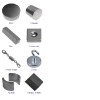
Neodymium magnets are among the strongest permanent magnets available, powering a wide range of applications, from electric motors to small devices. But you’ll notice they come in so many shapes and styles — discs, blocks, rings, countersunk, spheres, and more. Why so many? Because the shape and style of a magnet affect its functionality. Selecting the wrong type or improperly modifying a magnet can reduce its effectiveness or even damage the items you pair it with.
Why Does the Shape of a Neodymium Magnet Matter?
Neodymium magnets come in a wide variety of shapes because the shape directly affects how the magnet’s field is distributed and how it performs in a specific application.
Each magnet shape concentrates magnetic flux in different ways. For example, a disc creates a strong pull across its flat faces, making it perfect for crafts, displays, or everyday hacks. A block concentrates force across a larger surface, which is why it’s common in jigs, fixtures, and industrial setups. Ring magnets are used in motors and sensors because their hollow center allows for shafts or other parts to pass through while still generating a strong field. Countersunk magnets are designed for mounting with screws, so they sit flush and secure in cabinetry, tool racks, or doors.
For maximum holding power, a magnet should sit flat and flush against the target surface with no gap in between. Even a thin layer of paint, fabric, plastic, or dust can reduce the magnet’s strength. Alignment is also key; if the magnet sits at an angle or only makes partial contact, the holding force is weakened. For optimal results, ensure your magnet is properly aligned and in direct contact with a clean, smooth, and ferromagnetic surface.
Why You Must Match Magnet to Application
Matching your magnet to its application is essential for both performance and safety. If the shape is too weak, your project may fail—doors won’t stay shut, or parts may sag. Using the wrong style, such as a disc magnet when a ring magnet is needed to pass a rod through, can also cause problems. On the other hand, magnets that are too strong may damage delicate materials by cracking panels or denting surfaces. Finally, modifying magnets by cutting or drilling is not recommended, since they are brittle and can shatter or lose their magnetic strength.
For help selecting the right magnet for your application, use our Popular Size Grid.
5 Tips to Use Magnets Wisely (and Avoid Mistakes)
- Make sure the magnet is flat against the surface, with no gaps in between; If the surface has a covering, you’ll want to use a stronger magnet. Don’t hesitate to ask for our assistance in choosing the proper strength.
- Choose a magnet whose holding force is adequate but not overkill.
- Avoid reshaping or cutting magnets unless you have proper tooling and knowledge
- For delicate objects, use coated or encased magnets to protect surfaces.
- Test prototypes under real use. If a magnet slips or causes damage, revise the shape or strength.
Apex Magnets is Here to Help You Choose the Right Neodymium Magnet Shape and Style
Shapes and styles of neodymium magnets exist for a reason. The right magnet shape unlocks better performance, durability, and safety for your project. Use a strong magnet, but match the shape and strength to your use case—and don’t push a magnet past what it was designed to do. Using the wrong shape can make a magnet less effective, and altering magnets can weaken or break them. That’s why manufacturers design different neodymium magnet shapes—to give you the right tool for the job.
We offer a vast selection of magnets, so be sure to browse through them to find the perfect options for your specific needs. If you’d like help choosing the right magnet for your application, we’re happy to share our expertise! Please don't hesitate to contact us with your questions. We also offer tailored B2B solutions and custom magnets. Explore our B2B services to learn more or contact our team to discuss your specific application.
Magnets can be dangerous. Neodymium magnets, especially, must be handled with care to avoid personal injury and damage to the magnets. Fingers and other body parts can get severely pinched between two attracting magnets. Bones can be broken by larger magnets.
Visit our Magnet Safety page to learn more.