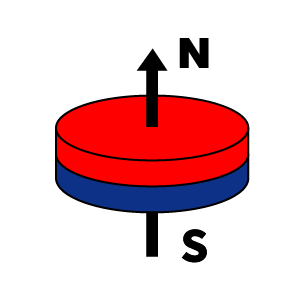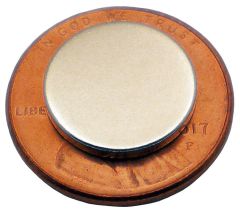
DIY Magnetic Egg Planters

Easter is almost here! Peter Cottontail is hopping down the bunny trail, ready to leave baskets of chocolate, candy, and other treats for families all over. Show some love for this hard-working rabbit with a simple, DIY magnetic egg planter. With colored eggs and fresh flowers, you’ll really be able to capture the spirit of Easter and spring. Keep reading to learn how!
Safety note: Neodymium magnets are not toys and are intended for adults 18 and older. Any project that uses neodymium magnets should be done only under the direct supervision of an adult, and the magnets should be kept away from young children and pets. If two or more magnets, or a magnet and a metal object, are swallowed, they can pull together through the intestinal walls and cause serious injury. Get emergency medical care right away if you suspect a magnet has been swallowed.
Supplies You’ll Need:- Eggs (Raw)
- Hot glue and gun
- 1/8" x 1/16" disc magnet
- Flowers
- Egg dye
- Dye your eggs with food coloring or your favorite egg dying kit as you normally would. You can use any color food coloring, or choose multiple colors to create a marbled look. Make sure to let the eggs dry completely before moving on to the next step.
- Using a sharp object, poke a hole in the shell, then carefully peel away the top third of the shell so that only the bottom two thirds remain. Empty out the yolk in the shell.
- Rinse the egg out and let it dry. Using the hot glue gun, glue on the magnet to the back of the egg. Let the glue dry and magnet set for 2 hours.
- These eggs can now act like mini vases! Fill the egg with a small amount of water and light flowers. A single 1/8 x 1/16 inch disc magnet is small (about 0.51 lb calculated pull force on thick steel) and will hold less on a thin or painted steel surface, so test the hold before leaving it filled. You could also add some dirt and plant a mini succulent. If you’re looking to protect these magnets from moisture, use faux floral, since water from fresh flowers can leak through a cracked shell and corrode the magnet's nickel coating.
Related Products
-
1/8 x 1/16 Inch Neodymium Disc Magnet N48 (50 Pack)
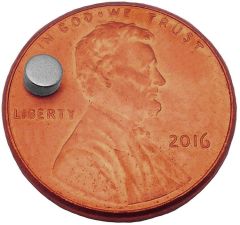
- 50 magnets
- Pull Force: 0.51 pounds per magnet
- SKU# M18X116DI
 $8.99 As low as $6.29
-
3/4 x 1/8 Inch Adhesive Backed Neodymium Disc Magnet N48 (10 Pack)
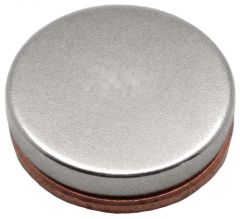
- 10 magnets
- Pull Force: 11.1 pounds per magnet
- SKU# M34X18ADH
$14.99 As low as $10.49 -
1/2 x 1/16 Inch Adhesive Backed Neodymium Disc Magnet N48 (20 Pack)
- 20 magnets
- Pull Force: 3.51 pounds per magnet
- SKU# M12X116ADH
$9.99 As low as $6.99