
How Electromagnets are the Driving Force Behind Cranes

There’s no denying cranes are an important piece of industrial equipment in the construction, automotive, and manufacturing industries. Skyscrapers, apartment complexes, and other massive man-made structures would not be possible without one!
You probably were already aware of the importance cranes are in our world, but did you know many of them rely on electromagnets to lift steel? Find out how below.
Why Use Electromagnets?
In many large industrial cranes, electromagnets are used to lift heavy steel objects off the ground and transport them from one place to another. Shipping containers holding cars or manufacturing machines are loaded onto ships by cranes before they are transported overseas.
While permanent magnets can have large pull forces, they cannot be switched off, which is one reason industrial electromagnets are often used for heavy steel loads.
Another difference? Electromagnets aren’t as permanent as everyday magnets. The magnetic force of the electromagnets can be controlled by switching the current that flows through them on and off. So, when there’s no electric current, electromagnets stop working.
How Electromagnets Work
Simply put, electromagnets are devices made up of a soft iron core with windings, or turns, of electrically conducting wire that creates a magnetic field through the application of electricity. The windings multiply the magnetic field produced by the current, and the iron core concentrates it.
When electricity is applied, either from a battery or another source, it flows through the wire and creates a strong magnetic field, far stronger than that of a natural lodestone. To prevent corrosion or malfunction, electromagnets are typically housed in a protective casing within the crane, and their copper or aluminum windings are insulated from it.
Discover More With Apex Magnets Today
Even though we here at Apex Magnets do not have electromagnets, we do have a large variety of interesting and quite frankly, addicting, sizes and shapes of magnets. For more break-through magnetic discoveries and general magnet knowledge, browse our magnet in the news section of the blog.
-
1 x 1/2 Inch Neodymium Disc Magnet N48 (2 Pack)

- 2 magnets
- Pull Force: 49.8 pounds per magnet
- SKU# M1x12DI
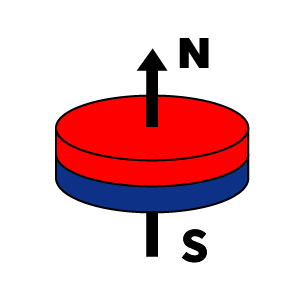 $26.99 As low as $18.89
-
1 x 1 x 1/2 Inch Neodymium Block Magnet N48 (1 Pack)

- 1 magnet
- Pull Force: 61.6 pounds per magnet
- SKU# M1x1x12BL
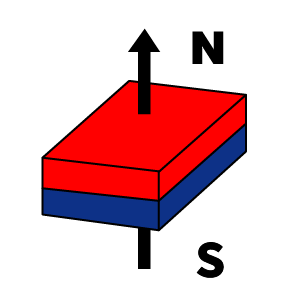 $17.99 As low as $12.59
-
1/2 Inch Samarium Cobalt Cube Magnet SmCo30 (4 Pack)

- 4 magnets
- Pull Force: 11.8 pounds per magnet
- SKU# M12CUSmCo
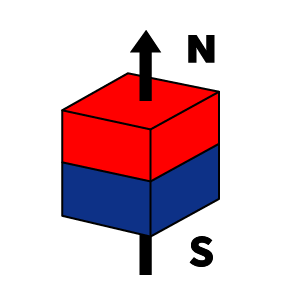 $30.99 As low as $21.69