
Saving Rare Earth Metals with Magnets

Hybrid cars are helping save our planet from greenhouse gases, but did you know that their motors use magnets containing rare earth metals? Rare earth elements can be found directly below the earth’s surface in many different parts of the world, including China, North America and Australia. Although labeled “rare” they are usually spread thinly inside other minerals rather than concentrated in deposits. Because of this, they are difficult to mine and the process is not cost efficient.
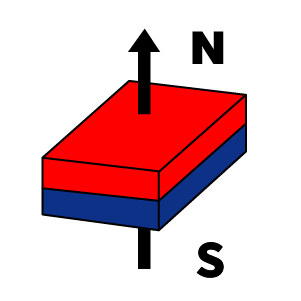
Magnets are used in hybrid cars engine’s rotor. The magnets are arranged with alternating poles so the rotor can spin in the motor's changing magnetic field. Without these magnets, the electric motor in the hybrid system would not work as designed.
Traditionally car makers have been using multiple types of rare earth elements like dysprosium, neodymium and terbium. Many hybrid and electric vehicle makers, including Honda, have relied on these metals in their motor magnets. Because mining, refining and magnet making are concentrated in a few places, supply is dominated by China, which the International Energy Agency says accounted for about 60% of mined magnet rare earths and about 94% of sintered permanent magnet production in 2024.
One company that was tired of being controlled by the market was Honda. To solve this problem, they developed a new and improved way of using the rare earth metal for their engines. The biggest change was that they eliminated the use of the heavier rare earth elements dysprosium and terbium and chose to use more neodymium.
As you know, a lot of our magnets are made from neodymium. It is one of the strongest magnets available, and is lighter than the other two elements. In fact, by switching to neodymium the car maker was reported to say the new magnets would weigh about 8 percent less and cost about 10 percent less than the previous components.
The newly developed engine magnets were scheduled to debut in fall 2016 in their minivan called Freed. The vehicle originally debuted in Honda’s home country of Japan and was scheduled to go on sale in an all-new generation that fall. What do you think of the switch Honda is making, could it lead to a shortage of neodymium, or will the other major companies follow suit? Let us know in the comments section!
-
2 x 1 x 1/2 Inch Ceramic Block Magnet C11 (10 Pack)
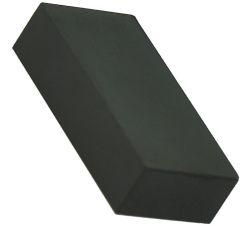
- 10 magnets
- Pull Force: 7.24 pounds per magnet
- SKU# MCER2x1x12BL10PK
 $27.99 As low as $21.83
-
1 x 1 x 1/2 Inch Neodymium Block Magnet N48 (1 Pack)
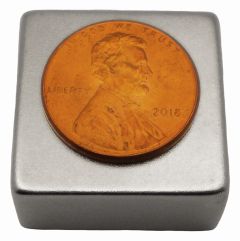
- 1 magnet
- Pull Force: 61.6 pounds per magnet
- SKU# M1x1x12BL
$17.99 As low as $12.59