
neodymium magnet information
-
Unique Ways Magnets are Used and a Little Magnet 101
 Magnets are remarkable items that are commonly used in many of our day-to-day activities and technology. While fridge magnets come to mind when thinking about how magnets are used, there are so many ways magnets are used in science and technology! Here are some facts about neodymium magnets that you may not have known before! Continue reading →
 -
Mobile Hall Sensor Array for Detecting Ferrous Objects In Floors, Walls, and Pipelines
 Sometimes, in the construction and use of pipelines, or during the construction/tear-down of buildings, you may need to detect and remove some unknown ferrous object from inside pipes, behind walls, and under flooring. To safely detect the position of an object, you can use a Mobile Hall Sensor Array. The main benefit of this method is that it’s considered a non-destructive evaluation (NDE), which is exactly what it sounds like… non-destructive. You can determine your next move before making any costly demolition choices that could cause damage to your product or equipment, or even cause serious injury to employees. Continue reading →
 -
Magnets Used in Law Enforcement to Secure Underwater Evidence
 If you work in law enforcement, then you are probably well-aware that one of the most common illegal dumping grounds for guns is… underwater. Whether these guns are actual murder weapons, linked to a crime, or just purchased illegally, guns are often disposed of in lakes, rivers, streams, swamps, sewers, and wells. Using the power of magnets, law enforcement teams can bring important evidence –– the weapon in question –– to the surface, and in some cases, use it to identify a suspect and close a case. Continue reading →
 -
Magnets Over the Last 100 Years: From AlNiCo to Neodymium
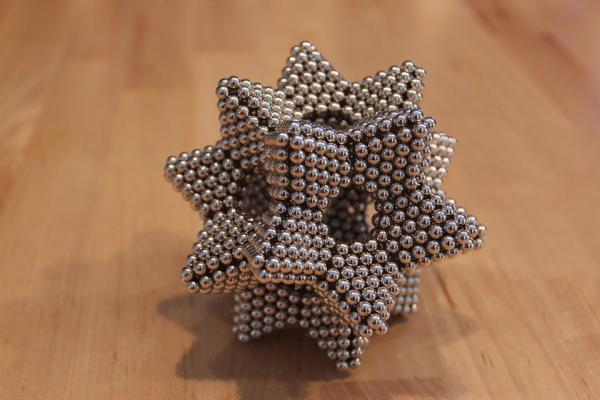 By eleventh century AD, the ancient Greeks, Romans, and Chinese all recorded their discovery of a seemingly magical rock that attracted iron and other stones: the naturally occurring lodestone. After its discovery, it didn’t take long for the Chinese to develop the first compass between 400 and 200 BC. Thus began the history of the magnet. Continue reading →
 -
Rare Earth Magnets: A Rundown
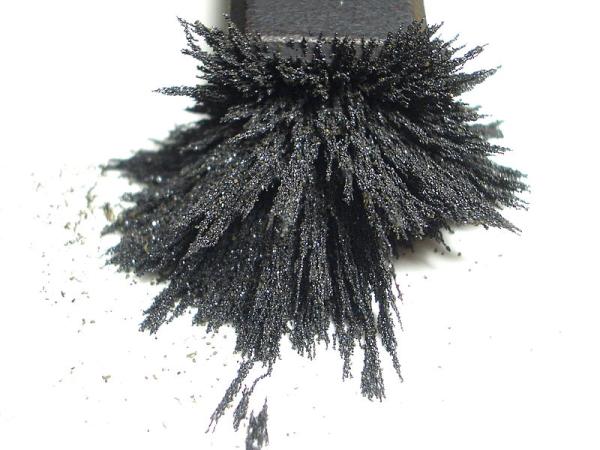 Rare earth magnets are a common feature in tons of household appliances. You’ve probably noticed that we carry them here at Apex Magnets in the form of our neodymium and samarium cobalt magnets. These permanent magnets sure sound fancy, but what sets them apart from other magnets? Let’s first dig into their history. Continue reading →
 -
Magnetic Moments: How Magnetizer/Demagnetizers Work
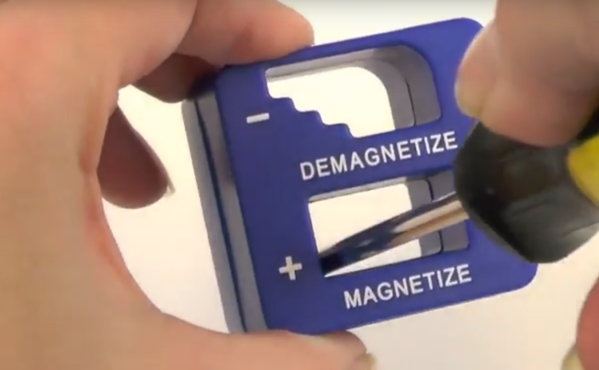 When working with tools, there’s nothing more frustrating than a tiny screw bouncing off the workbench and disappearing into a dark corner. That’s why many tool manufacturers sell magnetic-tipped screwdrivers. While these are wonderful tools, it doesn’t mean you need to go running off to the store for a new set. By using a simple magnetizer/demagnetizer, you can make the regular old screwdrivers you already own magnetic or nonmagnetic any time you’d like. Continue reading →
 -
Magnets in the Mail: The Ins and Outs of Transportation and Returns
 We’ve all received wedding invites or Christmas photos with magnetic backings to attach to our refrigerators. While these magnets can be easily mailed in an envelope without much risk involved, more powerful magnets can do a lot of damage if improperly mailed. Continue reading →
 -
Countersunk Magnets: From Purchase to Installation
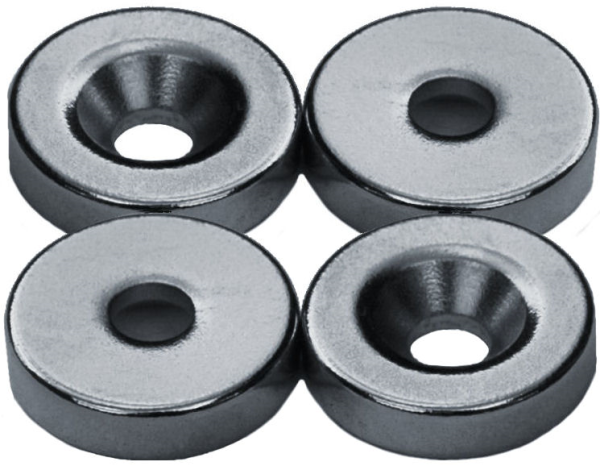
You’ve probably seen them before: ring-shaped magnets that look like washers with wedges cut out of the middle. These are countersunk magnets. Also called countersink magnets, the design is intentional—the wedge and hole exist so the countersunk magnet can be anchored in place by a single screw. Their strange design makes them extremely useful in the right situations. Continue reading → -
The Differences in N-Ratings for Neodymium Magnets
Every type of rare earth magnet, whether neodymium, AlNiCo, or something else, has its own alphanumerical system for classifying strength. Each one is unique, and there’s no simple formula for translating a system from one magnet type into the system for another. Continue reading → -
How Coatings Affect Magnetic Strength
You carefully purchase magnets for your facility to ensure you’re selecting enough strength and the right size without going over budget. You’re doing your best to be diligent, but are you also considering how much the coating will interfere with your magnetic force? Continue reading →

Page
- Page Previous
- Page 1
- Page 2
- You're currently reading page 3
- Page 4
- Page Next