
Using Heat Shrink Tubing With Magnet Projects
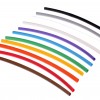
Several DIY projects involve gluing magnets onto other objects in order to magnetize them for organizational purposes. But for some DIY projects, glue or tape might not be the right type of adhesives for the job. Glue can be messy and tape may not last long for objects that aren’t stationary. So, if you need a more permanent and less messy solution for DIY magnet projects, try using heat shrink tubing.
Heat shrink tubing sounds like a difficult thing to use but in reality, it’s very simple. It’s just shrinkable plastic tubing usually used to insulate wires. The material is also useful when securing magnets to various objects. Before you use heat shrink tubing, make sure you buy the right size and follow proper safety guidelines when dealing with a heat agent.
Supplies:
- Heat shrink tubing
- Neodymium disc magnets
- Scissors
- Heat source
- Object you want to magnetize
Directions:
- The size of heat shrink tubing depends on what you want to magnetize. The bigger the object the larger diameter of tubing you should buy. Remember the tube will shrink once heated so it’s diameter will change. You should keep this in mind so you buy a larger diameter than the object you are attaching the magnet to.
- Now, place the tubing around the object you want to magnetize. For example, if you’re attaching a magnet to a pen, slide the inside the tubing and position it to where you’d like to put the magnet.
- Next, insert the magnet into the tube as well. The shrinkable plastic should be wide enough to hold the object and magnet in place together.
- To secure the magnet to the object, carefully heat the plastic with the heat agent, keeping the flame or hot air away from the magnet. Heat can permanently weaken neodymium magnets above their rated temperature, which is often only about 80 C for standard grades. The tubing will contract and hold the magnet in place.
- Finally, cut off the excess tubing with your scissors.
When selecting the right type of magnet for your project, size and strength are important. If you have any questions about magnet types, please contact us. The magnet must be strong enough to attract metal through the plastic tubing and small enough to fit into the tube. While working with magnets and heat, make sure you take the proper safety precautions. A heat gun is the usual tool for heat shrink tubing. A hair dryer on its hottest setting can work for thin, low-temperature tubing but may be slow, and open flames such as a candle or lighter are not recommended by tubing suppliers. Standard neodymium magnets begin to lose strength permanently above 80 °C (176 °F), so keep the heat moderate and use any heat source carefully and in the appropriate environment. For example, don’t use a candle if there are flammable vapors or substances nearby. Heat shrink tubing comes in all sizes and colors so get creative with your next DIY project!
-
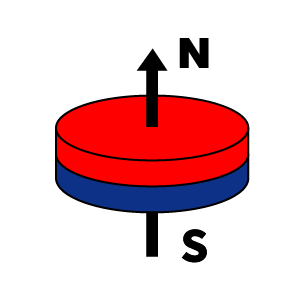
8 x 2 mm Neodymium Disc Magnet N48 (30 Pack)

- 30 magnets
- Pull Force: 2.41 pounds per magnet
- SKU# M8x2mmDI
 $11.99 As low as $8.39
-
10 x 2 mm Neodymium Disc Magnet N48 (30 Pack)

- 30 magnets
- Pull Force: 3.21 pounds per magnet
- SKU# M10x2MMDI
$14.99 As low as $10.49 -
10 x 5 mm Neodymium Disc Magnet N48 (10 Pack)

- 10 magnets
- Pull Force: 7.29 pounds per magnet
- SKU# M10X5MMDI
$10.99 As low as $7.69