
A Basic Guide to Packing and Storing Magnets

Magnets differ in size, strength, and purpose, but those aren’t the only variables to consider. They also have different sensitivities and shelf-lives, some requiring more careful, deliberate storage than others.
The length of time a magnet goes unused – like when it's sitting in a warehouse – will cause only negligible loss of strength (well under 1% per decade at room temperature) as long as the magnet stays within its temperature limits and away from strong opposing fields. However, when it comes to packing and storing, you should take a few things into consideration. Following the basic rules outlined in this guide will help you make sure your magnets retain their original power.
How To Pack and Store Magnets
- When packing multiple magnets, be sure the poles alternate, meaning their north poles face opposite directions. You’ll know you did this correctly when they attract to each other. With large neodymium magnets, guide them together carefully and slide them apart sideways rather than pulling, because they can snap together hard enough to pinch skin or chip. If you have magnets with a strong hold, like our neodymium magnets, use a keeper bar or magnetic shielding made of steel (high-permeability) panels to “absorb” the magnetic field.
- Find the proper container for storing your magnet – bigger is better. Larger overall dimensions allow for extra packaging material and reduce how strongly the magnetic field reaches outside the package, affecting sensitive items nearby, such as magnetic-stripe cards, mechanical watches, and older CRT televisions.
Additionally, if you have multiple magnets in one area, large containers help reduce the risk of magnets interacting and weakening one another. This is especially important when housing Alnico magnets, which have low coercivity and can be demagnetized easily by nearby magnets and fields.
- Consider temperature. While the size of the container is important, the storage environment is equally essential. Excessive heat can directly impact rare earth magnets and other permanent magnets by weakening the magnetic field (permanently once a magnet exceeds its grade's maximum operating temperature, 80 °C / 176 °F for standard neodymium) and speeding up corrosion.
Neodymium magnets are likely to suffer from moisture degradation if not stored in a dry area.
Use Apex Magnets Today
Magnets are strong but delicate, which is why packing and storing are so important. At Apex Magnets, we handle our magnets carefully, using the same guidelines as above. If you want to place a custom order, or ask additional questions about magnet storage, contact us today.
-
2 x 1 x 1/2 Inch Ceramic Block Magnet C11 (10 Pack)
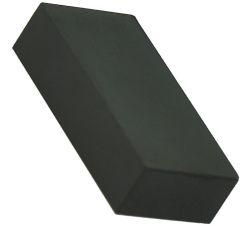
- 2" × 1" × 1/2" · 50.8 × 25.4 × 12.7 mm
- 7.24 lb pull per magnetpull each
- 10 magnets10 pcs
- SKU MCER2x1x12BL10PK
per pack · $2.80 per magnet$27.99 As low as $21.83 -
1 x 1/2 Inch Neodymium Disc Magnet N48 (2 Pack)

- 1" × 1/2" · 25.4 × 12.7 mm
- 49.8 lb pull per magnetpull each
- 2 magnets2 pcs
- SKU M1x12DI
per pack · $13.50 per magnet$26.99 As low as $18.89