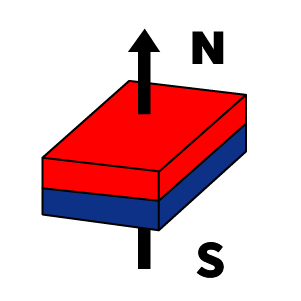
Business Applications for Ceramic Magnets

Choosing a magnet for your business means balancing performance, cost, and the conditions it will face. Ceramic magnet applications range from speakers and electric motors to separation equipment and holding assemblies. For projects with enough room for a larger magnet, this economical material can be a practical choice.
Also called ferrite magnets, these permanent magnets are typically made using iron oxide and strontium or barium compounds. Their affordability and natural corrosion resistance make them useful across many industries.Why Choose Ferrite?
The strongest available magnet isn’t always the best fit for your project. Depending on your requirements, ferrite may deliver the performance you need at a lower material cost. Key advantages include:- Affordability: Typically less expensive than rare earth alternatives, making them worth considering for cost-sensitive projects.
- Corrosion resistance: The material naturally resists rust and generally does not require a protective coating for that purpose.
- Resistance to demagnetization: Ferrite offers good resistance, though temperature, opposing magnetic fields, and magnetic-circuit design still matter.
- Shape options: Blocks, discs, rings, and application-specific shapes support a variety of designs.
Common Ceramic Magnet Applications
Motors and Automotive Components
Ferrite is used in certain permanent magnet motors, including designs found in fans, windshield wipers, and power windows. Material selection depends on the motor’s performance requirements and available space. Motor manufacturer Nidec provides a helpful overview of ferrite magnets for readers who want to understand the material.Speakers and Audio Equipment
Many loudspeakers use ferrite magnets as part of the system that converts electrical signals into sound. Their affordability makes them useful when a design can accommodate their size and weight.Separation and Material Handling
Magnetic separators can use ferrite to help capture ferrous material from a product stream. Performance depends on the complete assembly, including the magnetic field, distance from the material, and operating conditions.Holding and Retrieval Assemblies
You can also incorporate ferrite into assemblies that hold, position, or retrieve steel components. A suitable housing helps protect the brittle material and supports mounting. For lifting applications, select purpose-built, rated equipment appropriate for the load.What to Check Before You Order
Start with the job you need the magnet to perform. Consider:- Available space: Can the design accommodate a larger magnet?
- Required holding force: Account for gaps, surface coatings, and steel thickness.
- Operating temperature: Confirm the grade’s suitability for the full temperature range.
- Impact exposure: Consider a protective housing where collisions are possible.
- Mounting method: Plan how the magnet will attach without stressing or damaging it.
Find the Right Fit at Apex Magnets
Exploring ceramic magnet applications for your business? Browse Apex Magnets’ product selection or visit our blog for more practical ideas. For help comparing materials, sizes, and custom options, call 304-257-1193. Tell us what you need your magnet to do, and we’ll help you explore the possibilities.
Related Products
-
38 x 24 x 4 mm Ceramic Ring Magnet C11 (10 Pack)

- 10 magnets
- Pull Force: 1.57 pounds per magnet
- SKU# MCER38244MM
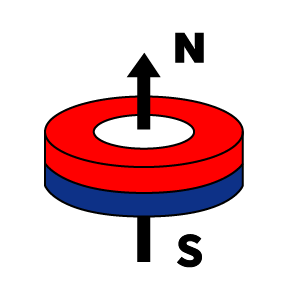 Special Price $5.99 Regular Price $9.99
-
6 x 13/16 x 3/8 Inch Ceramic Block Magnet C11 (4 Pack)

- 4 magnets
- Pull Force: 9.21 pounds per magnet
- SKU# MCER6X1316X38BL
 Special Price $8.99 Regular Price $13.99
-
2 x 1 x 1/2 Inch Ceramic Block Magnet C11 (10 Pack)
- 10 magnets
- Pull Force: 7.24 pounds per magnet
- SKU# MCER2x1x12BL10PK
$27.99 As low as $21.83