
Comparing Ferrite, Alnico, and Rare Earth Magnets

Magnets are fascinating objects that have captured the human imagination for centuries. From compasses guiding explorers across the seas to the magnetic fields powering our modern technology, magnets play an integral role in our daily lives. But not all magnets are created equal. There are various types of magnetic materials, each with its unique properties and applications.
In this blog, we will explore three commonly used types of magnets: ferrite, alnico, and rare earth magnets.
Ferrite Magnets
Ferrite magnets, also known as ceramic magnets, are one of the most common types of magnets. They are made from iron oxide (Fe2O3) combined with strontium or barium, forming strontium or barium hexaferrite. These magnets are relatively inexpensive and known for their high resistance to corrosion and good resistance to demagnetization.
Pros of ferrite magnets:
- Cost-effective: Ferrite magnets are economical, making them suitable for many applications where cost is a significant factor.
- Good resistance to demagnetization: Ferrite magnets resist demagnetization from opposing fields and tolerate heat well, although they can partially demagnetize in extreme cold.
- Corrosion resistance: They are less prone to rust and corrosion, making them suitable for outdoor applications.
Cons of ferrite magnets:
- Lower magnetic strength: Ferrite magnets have lower magnetic strength compared to some other types.
- Brittle: They are relatively brittle and can break or chip easily.
Alnico Magnets
Alnico magnets get their name from aluminum (Al), nickel (Ni), and cobalt (Co), and they also contain iron and sometimes copper or titanium. These magnets have been around since the 1930s and are known for their excellent temperature stability and high remanence, though they are weaker than rare earth magnets and easier to demagnetize.
Pros of alnico magnets:
- Strong magnetic output for their era: Alnico magnets have high remanence, though they are weaker than rare earth magnets, making them suitable for uses such as sensors and guitar pickups.
- Temperature stability: They can withstand high temperatures without significant loss of magnetic strength.
Cons of alnico magnets:
- Easily demagnetized: Alnico has low coercivity, so opposing magnetic fields, impact, or improper handling can weaken it.
- Cost: Alnico magnets are more expensive than ferrite magnets.
- Brittle: Similar to ferrite magnets, Alnico magnets are brittle and can be fragile.
Rare Earth Magnets
Rare earth magnets are the strongest permanent magnets available today. The two main types are neodymium-iron-boron (NdFeB) and samarium cobalt (SmCo), and dysprosium is sometimes added to neodymium magnets for high-temperature grades. These magnets are known for their incredible strength and versatility.
Pros of rare earth magnets:
- Unparalleled magnetic strength: Rare earth magnets, especially neodymium, are the strongest commercially available permanent magnets.
- Compact size: Rare earth magnets deliver a lot of strength for their size, so a small rare earth magnet can often do the job of a much larger ferrite one.
Cons of rare earth magnets:
- Cost: They cost more than ferrite magnets, and samarium cobalt costs more than neodymium. Neodymium is often cost-effective for the strength it delivers.
- Temperature limits: Standard neodymium magnets begin to lose strength above about 80 °C (176 °F), although higher-temperature grades go much further. Samarium cobalt tolerates far higher temperatures, roughly 250–350 °C.
- Brittle and prone to corrosion: Neodymium magnets can chip or shatter on impact and corrode readily, so they are almost always coated.
Choosing the Right Apex Magnet for Your Application
Our recommendation: for most projects, start with neodymium. It gives you the most holding power for its size, and standard grades work well up to about 80 °C (176 °F). Then adjust for your conditions:
- Choose samarium cobalt if your application runs hotter than neodymium handles well, or if you need excellent corrosion resistance without relying on a coating.
- Choose ceramic (ferrite) when low cost matters most and you can use a larger magnet, especially for outdoor or moisture-prone uses at moderate temperatures. Avoid it in extreme cold.
- Consider alnico only for specialized needs, such as stability at very high temperatures, and only where it will be kept away from opposing magnetic fields.
The world of magnets is diverse, with each type of magnet offering its own set of advantages and disadvantages. Whether you’re building a refrigerator magnet or a high-performance electric motor, the right choice of magnet can make all the difference. If you want to discuss which of our Apex products would suit your particular needs and application, call one of our specialists at 1-304-257-1193 and order at any time of the day!
-
38 x 24 x 4 mm Ceramic Ring Magnet C11 (10 Pack)
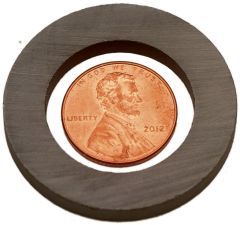
- 38 × 24 × 4 mm · 1.5 × 0.95 × 0.15 in
- 1.57 lb pull per magnet
- 10 magnets
- SKU MCER38244MM
per pack · $0.60 per magnetSpecial Price $5.99 Regular Price $9.99 -
2 x 1 x 1/2 Inch Ceramic Block Magnet C11 (10 Pack)
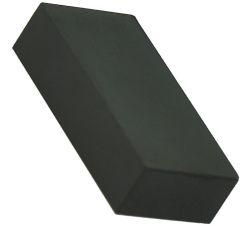
- 2" × 1" × 1/2" · 50.8 × 25.4 × 12.7 mm
- 7.24 lb pull per magnet
- 10 magnets
- SKU MCER2x1x12BL10PK
per pack · $2.80 per magnet$27.99 -
1/4 x 1/8 Inch Samarium Cobalt Disc Magnet SmCo30 (10 Pack)
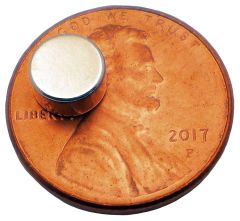
- 1/4" × 1/8" · 6.35 × 3.18 mm
- 1.45 lb pull per magnet
- 10 magnets
- SKU M14x18DISmCo
per pack · $1.20 per magnet$11.99