
Magnetic Stimulation Used in Therapy for Eating Disorders & Addiction

Modern techniques in medicine are transforming as science blends with health care to produce new, innovative treatment methods. For instance, the inclusion of strong magnets in hospital equipment has produced strategies that help amplify the success of existing solutions. As advances are made, it is becoming easier for physicians to discover noninvasive strategies for healing chronic ailments. For instance, physicians are exploring strategies for treating addiction and other conditions.
Using magnets to curb nicotine addiction
According to Steven Reinberg, a reporter for HealthDay News, the desire to quit smoking often requires more than willpower to be successful. Although addiction is typically subjective and often difficult to monitor, the news provider noted that a study conducted by Ben-Gurion University found that thirteen intense, noninvasive treatments that included powerful magnetic fields helped stem cigarette cravings.
This technique, which stimulates the brain with repetitive, high-frequency transcranial magnetic pulses, imbues the brain with electric impulses. For effective treatment, researcher make sure that participants are aware of the target behavior. To do this, cue cards with an image of lit cigarettes were shown to some participants just before each stimulation session. As a result, the participants who received high-frequency stimulation after seeing the cues displayed the best results, reported the news provider.
"If you stimulate regions in the brain that are associated with cravings for drugs, you can change the circuitry in the brain that mediates this dependence and eventually reduce smoking," lead researcher Abraham Zangen, associate professor at Ben-Gurion University, told the source. "And many of those treated [stopped] smoking."
The process is also relatively simple. Magnetic coils, which generate pulsed magnetic fields when current flows through them, unlike block magnets or bar magnets, are fitted inside helmets that the patients wear during treatment. Then, because of the placement of the apparatus, the prefrontal cortex and the insula receive high-frequency stimulation. According to the source, the side effects of the procedure were minimal. Patients suffered from headaches and muscle twitching, but the symptoms reportedly eased with continued treatment.
For patients to see the continued benefits of these treatments, The Guardian reported that it's unclear whether prolonged exposure to the treatments will be necessary. As the repeated transcranial magnetic stimulation (rTMS) supplies the brain with the same impulses that yielding to cravings provides, the ongoing success of this strategy is still uncertain until there are more trials. Furthermore, in 2013 HealthDay noted that the U.S. Food and Drug Administration had not approved rTMS as a solution for cigarette addiction. That has since changed: in 2020 the FDA cleared the BrainsWay Deep TMS system as an aid in short-term smoking cessation for adults.
Additionally, the company Zerosmoke sells two small magnets that are supposed to be placed on on each side of your upper ear to hit a pressure point to help people stop smoking. The seller claims that when the two magnets squeeze this particular pressure point, it releases endorphins, feel-good chemicals that could reduce nicotine cravings. It's a similar concept to acupressure. While there isn't scientific evidence behind this idea, some have found success with this product.
Magnetic impulses used in the fight against eating disorders
Alan Mozes, another reporter for HealthDay, reported that rTMS is also being studied in the ongoing battle against eating disorders. By utilizing the same noninvasive techniques, researchers are testing whether rTMS can help individuals with anorexia or bulimia. Physicians can do this by focusing the magnetic impulses with different cues. Additionally, rather than providing stimulation that mimics addiction, rTMS can reduce the desire to binge by diminishing activity in these areas of the brain.
"[We] think that maybe if we change the stimulation target for these patients, and change it to inhibit rather than excite stimulation, we might ultimately be able to help even these patients," said Dr. Jonathan Downar, scientist in the department of psychiatry at the University of Health Network in Toronto.
The source also noted that these therapies are still largely experimental. However, more patients are responding well than are experiencing no results at all. As the treatment advances, different strategies are designed to increase and lower frequency strength. This means that the treatment can be adjusted, which is a method of dosage monitoring.
Discover More With Apex Magnets
Want to stay up-to-date on the latest magnetic discoveries? Sign up for our newsletter to get these stories and more sent straight to your inbox each month.
-
12" x 12" Magnetic Field Viewer Film

- 1 Piece Magnetic Field Viewer Film
- The poles appear dark green
- SKU# VF12
$49.99 As low as $42.49 -
Gauss Spectrum Magnetic Field Viewer Film - 8 x 11.75
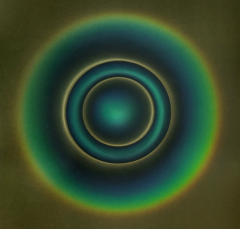
- 1 Piece Gauss Spectrum Magnetic Field Viewer Film
- Display relative gauss strength in a spectrum of color
- SKU# GSVF
$54.99 As low as $46.74 -
Ferrofluid Magnetic Liquid ***1 Ounce***
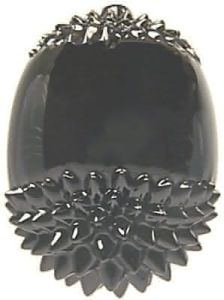
- 1oz bottle of Ferrofluid
- This liquid responds to magnets and magnetic fields
- Mineral oil based product
- SKU# FF1oz
$20.99 As low as $16.79