
Magnets Are in Your Doorbell

Does your home have a doorbell installed? If so, we bet there is a magnet inside of it. If you take a doorbell apart, you’ll likely see a coil of copper or other conducting wire wrapped around a metal core. If you know a little bit about electromagnetism, you’ll recognize that the setup of a doorbell is based on it. Here’s how it works:
To create the most basic electromagnet, you need wire wrapped around an iron core and some type of device providing electric current--in a hardwired home, it’s usually a low-voltage transformer rather than a battery. In a doorbell, each part forms a circuit. A circuit is like its name suggests, a closed circle or loop that allows electrons to move through a conducting material and an electric current. When someone pushes a doorbell in, it triggers the electromagnet by closing the circuit.
An electric current then travels from the button through the coiled conducting wire that wraps the electromagnet’s metal core. Doorbells also use a mechanism called a transformer--no not the morphing robots. This transformer is a part that is commonly used in machines to transfer energy between circuits or to increase or decrease the power or voltage of an electric current.
The energy from the electromagnet’s magnetic field is then used to trigger the noise or sound that you hear, which signals that someone is at your door. The type of sound may differ, and the placement of each mechanical part may vary slightly, but most traditional wired chimes use an electromagnet, while some electronic or wireless units use a piezo buzzer or speaker instead.
The design of a doorbell is a pretty simple one, however, how each part works together with little wiring or energy needed is innovative. If you are more interested in how a doorbell works, try finding an old one from a junkyard or thrift store and take it apart to view the inner workings. If you find anything especially intriguing, feel free to share your find in the comments!
-
Gauss Spectrum Magnetic Field Viewer Film - 8 x 11.75

- 1 Piece Gauss Spectrum Magnetic Field Viewer Film
- Display relative gauss strength in a spectrum of color
- SKU# GSVF
$54.99 As low as $46.74 -
1/2 Inch Neodymium Sphere Magnet N48 (4 Pack)
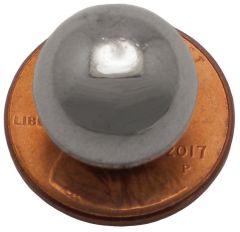
- 4 magnets
- Pull Force: 7.38 pounds per magnet
- SKU# M12SP
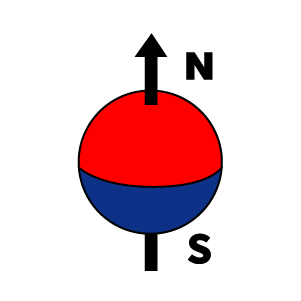 $17.99 As low as $12.59
-
Magnetic Pole Searcher/Finder
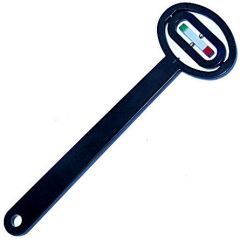
- 1 North/South Pole Magnet Identifier
- The unit consists of a small alnico bar magnet that is gimbal mounted
- SKU# MPS
$10.99