
Rare Earth Renaissance: How the U.S., Australia, and Canada Lead the Charge

From LEDs to electric vehicles and military applications, rare earth elements are the backbone of some of the most critical and fastest-growing industries worldwide. However, overreliance on China for roughly 85-90% of refined rare earths (International Energy Agency estimates for 2024-2025) has sparked concerns in Western nations, prompting a strategic shift towards reclaiming control over the supply chain.
The Frontrunners in the Rare Earth Renaissance
In response to this pressing issue, the U.S., Australia, and Canada have emerged as frontrunners in jumpstarting a global resurgence in rare-earth processing. The catalyst for this movement was U.S. President Joe Biden's Executive Order in February 2021, directing agencies to assess vulnerabilities in critical supply chains, including rare earths. By February 2022, the Department of Defense reported having invested more than $100 million in efforts to grow the U.S. rare earth sector.
A pivotal moment came with the $35 million award to MP Materials in February 2022, tasked with designing and constructing a facility to process and separate heavy rare-earth elements at its Mountain Pass site in California. This endeavor marks a significant step forward, revitalizing the site of the last major rare-earth processing plant in the United States, idled after 2015. Moreover, MP Materials' rare earth metal, alloy and magnet facility in Fort Worth, Texas, where construction began in April 2022, underscores the commitment to bolstering domestic production.
Environmental Considerations of Large-scale Processing
However, this resurgence brings forth environmental considerations, as large-scale rare-earth processing poses challenges. Rare earths are categorized into two groups: light and heavy. Of particular interest are neodymium and praseodymium, crucial elements in magnet manufacturing. The convergence of deposits of light and heavy rare earths could help meet the demands of various industries, ensuring the production of reliable magnet metals for enhanced performance and longevity.
The significance of rare earths extends beyond existing markets, with market analysts projecting strong demand growth for rare earths in the coming decades. This trajectory underscores the robustness of the rare-earth market, drawing keen interest from countries like the United States, Australia, and Canada. These nations are spearheading efforts to establish indigenous rare-earth capabilities, from mining to processing, aimed at providing magnet-motor-ready products to manufacturers.
In this concerted effort, the U.S., Australia, and Canada stand united as the vanguard of a rare-earth renaissance. By reclaiming control over the supply chain, these nations not only mitigate strategic vulnerabilities but also catalyze innovation and economic growth. As the world embraces the indispensable role of rare earths in shaping the future of technology, collaboration and foresight pave the way for a more resilient and sustainable global ecosystem.
Apex Magnets
Here at Apex Magnets, we have our finger on the pulse of magnetic news and breakthroughs and part of our commitment to you, our readers, is to keep you up to date. We’re also always looking for new and innovative ways our products can be used to improve operations at your place of business. If you have any questions or want to speak with one of our highly qualified magnet specialists, call 1-304-257-1193.
-
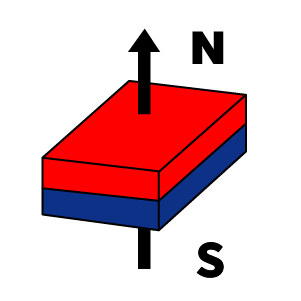
2 x 1 x 1/2 Inch Neodymium Block Magnet N48 (1 Pack)

- 1 magnet
- Pull Force: 87.9 pounds per magnet
- SKU# M2x1x12BL
 $22.99 As low as $16.09
-
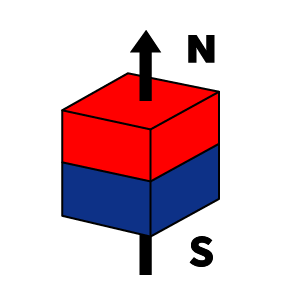
1/2 Inch Samarium Cobalt Cube Magnet SmCo30 (4 Pack)

- 4 magnets
- Pull Force: 11.8 pounds per magnet
- SKU# M12CUSmCo
 $30.99 As low as $21.69
-
2 x 1 x 1/2 Inch Ceramic Block Magnet C11 (10 Pack)

- 10 magnets
- Pull Force: 7.24 pounds per magnet
- SKU# MCER2x1x12BL10PK
$27.99 As low as $21.83