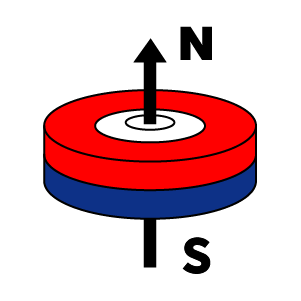
Shuttering Magnets for Precast Concrete

Keeping concrete formwork in position requires a dependable holding system. Shuttering magnets for precast concrete secure forms to suitable steel casting beds while letting crews release and reposition the equipment between production cycles.
These reusable assemblies offer a practical option for manufacturers that regularly change panel dimensions or formwork layouts. However, choosing the right system requires more than comparing advertised holding force.
How Does Magnetic Formwork Work?
Shuttering is the mold or framework that gives concrete its shape while it sets. In precast production, magnetic assemblies can help anchor that formwork to a steel casting surface.
The assembly attracts the steel bed, while compatible brackets or adapters connect it to the formwork. Depending on the design, an activation button and release tool allow workers to engage or disengage the holding system.
“Permanent” describes the magnetic material’s ability to maintain its magnetic field without a continuous electrical supply. It does not mean the formwork must remain permanently attached.
Where Shuttering Magnets for Precast Concrete Are Used
These systems are commonly used to produce flat precast components, including wall panels and slabs. Their arrangement depends on the formwork geometry and production requirements.
They can also work with different form materials when suitable adapters are used. The magnetic attachment itself still requires an appropriate ferromagnetic surface, such as a compatible steel casting bed. It does not attach directly to concrete, wood, or aluminum.
For examples of equipment used in this process, explore Elematic’s magnetic shuttering systems.
Why Reusable Setups Appeal to Manufacturers
A properly selected system can offer several practical benefits:
- Flexible positioning: Crews can release and relocate assemblies when the form layout changes.
- Repeated use: Components can be reused across multiple production cycles when inspected and maintained properly.
- Holding without continuous power: Permanent magnetic assemblies do not require an ongoing electrical supply to maintain their attraction.
- Fewer drilled attachment points: Suitable setups can reduce the need to drill into the casting bed for each configuration.
The time and cost benefits depend on the complete production process, including setup, cleaning, and maintenance.
What to Check Before Selecting a System
Holding-force ratings alone don't determine whether an assembly suits your application. Review these factors with your equipment supplier:
- Form dimensions and loads: Account for concrete pressure, vibration, and force direction.
- Casting-bed condition: Surface contamination, coatings, and gaps can reduce magnetic attraction.
- Steel thickness: The supporting surface must meet the assembly manufacturer’s requirements.
- Operating temperature: Confirm compatibility with curing conditions.
- Placement and quantity: Determine the number and spacing needed for the complete formwork system.
Follow the manufacturer’s operating instructions, use the specified release tool, and keep hands clear of pinch points. Formwork holding equipment should not be used for lifting unless specifically designed and rated for that purpose.
Discuss Your Project With Apex Magnets
Considering shuttering magnets for precast concrete? Contact Apex Magnets to discuss your dimensions, operating conditions, and magnetic assembly requirements, including custom-order options.
Browse our product catalog or explore our magnet FAQ for more information. Call 304-257-1193 to talk through your application with our team.
Safety Warning: Children should not be allowed to play with neodymium magnets as they can be dangerous. Small magnets pose a choking hazard and should never be swallowed or inserted into any part of the body.
Magnets can be dangerous. Neodymium magnets, especially, must be handled with care to avoid personal injury and damage to the magnets. Fingers and other body parts can get severely pinched between two attracting magnets. Bones can be broken by larger magnets. Visit our Magnet Safety page to learn more.
-
17 lb Neodymium Pot Mounting Magnet (4 Pack)

- 4 magnets
- Pull Force: 17.00 pounds per magnet
- MPOT17
 $15.99 As low as $13.11
-
55 lb Neodymium Pot Mounting Magnet (2 Pack)

- 2 magnets
- Pull Force: 55.00 pounds per magnet
- MPOT55
$14.99 As low as $12.29 -
35 lb Neodymium Pot Mounting Magnet (2 Pack)
- 2 magnets
- Pull Force: 35.00 pounds per magnet
- MPOT35
$12.99 As low as $10.65