
Target Victim of Data Breach Because of Magnetic Strips

Although the magnetic strips on credit cards make transactions faster and more convenient than having to enter a personal PIN, they also make it much easier for hackers to steal information. According to NPR, Target was the victim of a widespread data breach, and the magnetic strips might be to blame.
Magnetic strips possibly responsible for data breach
Since security technologies replace outmoded equipment in other industries, such as corporate cloud-based storage software and reinforced email encryption strategies, the way that Americans protected their accounts lagged behind other nations in 2013; the U.S. has since largely adopted chip cards, with EMVCo data reporting about 93% of U.S. card-present transactions now using the chip. The source noted that magnetic strips in credit card transactions is an old technology. Other countries such as U.K., Canada and Hong Kong have updated the technology years ago.
Rather than relying on magnetic stripes in card readers to pull up information, these nations utilize an embedded chip and a PIN code to help block out hackers' attempts to infiltrate account information. Despite reports that this security upgrade is not foolproof, it does raise the cost of hacking for would-be cyber crimes.
Target later said that malware installed on its in-store point-of-sale systems captured card data during the breach, so the magnetic strip was the source of the stolen data rather than a flaw in the strip itself. Although approximately 40 million payment card accounts were compromised in the breach (Target later disclosed that personal information on up to 70 million customers was also stolen), NPR suggested that the U.S. is ahead in consumer protection.
"The U.S. is ahead in terms of consumer protection, and if you're thinking about the public interest and how things affect you as a bank customer, that's by far the most important thing," Ross Anderson, professor of security engineering at the University of Cambridge, told the news provider. "How the banks use technical mechanisms to limit their own exposure becomes an engineering problem for them to solve."
How Hackers Use The Data
MarketPlace reported that when magnetic strips are the culprit, it's typically because the hackers have already collected secured account information. When hackers collect the data, they apply it to magnetic strips on false cards. Individuals who are capable of performing this crime do more than inscribe numbers on bar magnets or block magnets, however. Although considered low-tech, the source noted that this kind of fraud still requires digital savvy to achieve.
Cards that have an embedded chip are more difficult to duplicate. This is because it takes one more step that cybercriminals must overcome.
Discover More With Apex Magnets
Want to stay up-to-date on the latest magnetic discoveries? Sign up for our newsletter to get these stories and more sent straight to your inbox each month.
-
1/2 Inch Samarium Cobalt Cube Magnet SmCo30 (4 Pack)
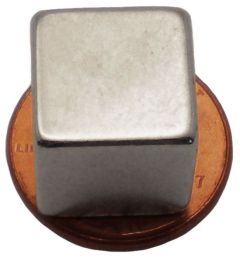
- 4 magnets
- Pull Force: 11.8 pounds per magnet
- SKU# M12CUSmCo
 $30.99 As low as $21.69
-
2 x 1 x 1/2 Inch Ceramic Block Magnet C11 (10 Pack)
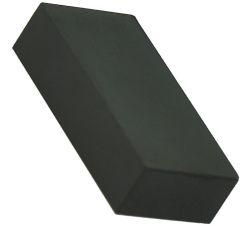
- 10 magnets
- Pull Force: 7.24 pounds per magnet
- SKU# MCER2x1x12BL10PK
 $27.99 As low as $21.83
-
1 x 1 x 1/2 Inch Neodymium Block Magnet N48 (1 Pack)
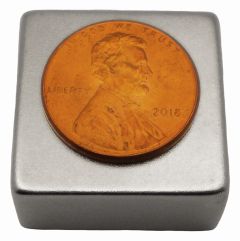
- 1 magnet
- Pull Force: 61.6 pounds per magnet
- SKU# M1x1x12BL
$17.99 As low as $12.59