
The Tensegrity Table: A Modern Furniture Marvel

Embarking on a journey into the avant-garde realm of modern furniture design, you might just encounter a concept that defies expectations and captures the imaginations of both creators and design aficionados – the Tensegrity Table. Beautiful pieces of furniture, these tables employ the forces of tension and magnets to craft suspended masterpieces that appear to challenge the laws of gravity.
The Tensegrity Table
Derived from the term "tensional integrity," tensegrity represents a structural principle where elements experiencing compression find support from elements under tension. This ingenious concept has found its way into the realm of furniture design, giving rise to tables that seem to effortlessly levitate, held together by a delicate interplay of tensioned cables and, in some designs, magnetic forces.
Tensegrity Tables require a delicate equilibrium between tension and compression. Taut cables weave a web of interconnected forces, granting the table both stability and form. Integrating magnets into the design adds another layer of intricacy.
The Role of Magnets
In some designs, magnets help create an illusion of levitation by holding joints and connection points in place. In these designs, the balance of forces can make the table appear to hover above the floor. The interplay between tension lines and magnets makes them ideal for modern and minimalist spaces.
Apex Magnets
Designers have explored the Tensegrity concept, creating a variety of table styles. Ranging from coffee tables to dining tables, the adaptability of Tensegrity design can add a unique touch to various living spaces. Because Tensegrity Tables are such an intriguing concept, the exploration of magnets in design opens up exciting new possibilities for the future of furniture design. To receive stories like this one sent to your inbox each month, sign up for our newsletter today! And don’t forget to shop our extensive collection of permanent magnets.
-
1/2 x 1/16 Inch Adhesive Backed Neodymium Disc Magnet N48 (20 Pack)
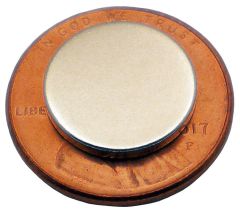
- 1/2" × 1/16" · 12.7 × 1.59 mm
- 3.51 lb pull per magnetpull each
- 20 magnets20 pcs · 10 N + 10 S · 3M 467MP
- SKU M12x116ADH
per pack · $0.50 per magnet$9.99 As low as $6.99 -
3/4 x 1/8 Inch Adhesive Backed Neodymium Disc Magnet N48 (10 Pack)
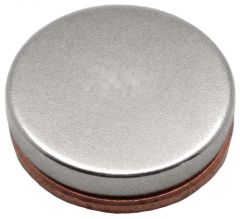
- 3/4" × 1/8" · 19.05 × 3.18 mm
- 11.1 lb pull per magnetpull each
- 10 magnets10 pcs · 5 N + 5 S · 3M 467MP
- SKU M34X18ADH
per pack · $1.50 per magnet$14.99 As low as $10.49 -
3/4 x 1/16 Inch Adhesive Backed Neodymium Disc Magnet N48 (10 Pack)
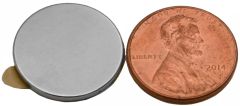
- 3/4" × 1/16" · 19.05 × 1.59 mm
- 5.60 lb pull per magnetpull each
- 10 magnets10 pcs · 5 N + 5 S · 3M 467MP
- SKU M34X116ADH
per pack · $1.30 per magnet$12.99 As low as $9.09