
4 Fun Facts about Magnets and Sharks

With summer in full swing, you probably have a few beach trips planned. Whether you’re a swimmer, surfer, or snorkeler, the threat of sharks may have crossed your mind at some point while exploring the ocean. Most of the time sharks are not nearly as bloodthirsty as the monster from Jaws, but if you’re worried, here are a few fun facts about sharks and magnets to keep in mind:
1. Sharks Can Detect Magnetic Fields
Sharks have special sensing organs called ampullae of Lorenzini that can detect electric fields in water. This electroreceptor organ consists of a network of jelly-filled pores. Sharks have an extraordinary sensitivity to electric fields. When animals contract their muscles it produces an electric field. Sharks can detect the weak electric fields generated by muscle contractions and may use it to find prey. As a moving conductor, water induces an electric field when a magnetic field like Earth’s is present. So sharks can use their special sixth sense to detect magnetic fields as well.
2. Magnets May Deter Some Sharks
While the likelihood of being attacked by a shark is extremely low, some have tested magnets as a way to repel sharks in areas where people swim. Because sharks are so sensitive to electric fields and magnetic fields in water, some species will swim away from magnets even if they’re attached to raw meat. Other tests show sharks that are not affected by magnets so overall the research on magnets as shark repellents is inconclusive.
3. Sharks Can Navigate Using Earth’s Magnetic Field
Sharks don’t just randomly swim around hoping to come across prey. They can follow Earth’s magnetic field and use it to navigate. Studies suggest that sharks can detect magnetic fields in water, and a 2021 Current Biology study found that bonnethead sharks use Earth’s magnetic field as a map-like cue to orient toward their home waters.
4. Lemon Sharks Attract Prey with a Magnetic Sensor
Lemon sharks, named for their yellowish coloring, have electroreceptors (ampullae of Lorenzini) concentrated on their snouts. With these special sensors they can detect the electric fields of prey and may even locate other lemon sharks. The magnetic sensors in their noses help them make up for their poor vision.
Do you know any fun facts about animals and magnets?
-
Gauss Spectrum Magnetic Field Viewer Film - 8 x 11.75
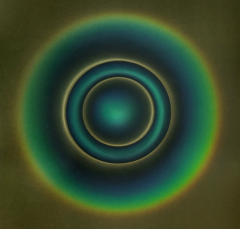
- 1 Piece Gauss Spectrum Magnetic Field Viewer Film
- Display relative gauss strength in a spectrum of color
- SKU# GSVF
$54.99 As low as $46.74 -
Buzzing Ball Hematite Sphere Magnets "Rattlesnake Eggs"
- 2 magnets
- Material: Hematite
- SKU# MhemSP
 Special Price $5.99 Regular Price $8.99
-
12" x 12" Magnetic Field Viewer Film

- 1 Piece Magnetic Field Viewer Film
- The poles appear dark green
- SKU# VF12
$49.99 As low as $42.49