While the emergence of electric cars is far from new in today’s fast-paced, technologically advanced world, the concept of wireless charging still seems like science fiction. Wireless EV charging, currently in the pilot product stage in the US, is already being used by Chinese and South Korean automakers on commercial vehicle fleets. Chosen for their consistent routes and their ability to “doc” in specified overnight parking destinations, commercial vehicles serve as the ideal test subject for researching the larger impact of wireless EV charging for the mainstream population’s use. Continue reading →
Magnetism has intrigued humanity since ancient times. Thales of Miletus (634–546 BC) observed iron's peculiar attraction to a substance now known as lodestone, or magnetite. This naturally occurring magnet, composed of iron oxide (Fe3O4), was discovered in Magnesia, Asia Minor. Early Chinese innovations revealed that a suspended piece of magnetite consistently aligned in a north-south direction, laying the groundwork for the magnetic compass. This fundamental understanding of magnetism eventually evolved into harnessing magnetic forces to generate electrical energy, forming the backbone of modern electricity production. Continue reading →
Car manufacturers are continuing to pivot their long-term goals to emphasize the importance of electric vehicles. Recently, Nissan announced a massive shift in the production of their EVs thanks to the development of new magnets. The results could have a tremendous impact on consumers and set a potential new standard for the industry. Continue reading →
We enjoy hearing about the positive experiences people have with magnets. Recently, we were delighted to see that magnets were making international news thanks to an incredible discovery one New York couple made while magnet fishing. Continue reading →
On September 5, 2021, researchers at MIT’s Plasma Science and Fusion Center (PSFC) reached a milestone in fusion energy research. They successfully tested a groundbreaking high-temperature superconducting magnet, achieving a record magnetic field strength of 20 tesla. This feat is a crucial step toward creating practical fusion power plants, potentially revolutionizing the future of energy with virtually limitless and clean power. Continue reading →
We enjoy hearing about the positive experiences people have with magnets. Recently, we were delighted to see that magnets were making international news thanks to an incredible discovery one New York couple made while magnet fishing. Continue reading →
For over a century, scientists have understood ferromagnetism and antiferromagnetism as the two primary classes of magnetic order in materials. Ferromagnets, like those found on refrigerator doors, have all their magnetic moments aligned in the same direction, creating a strong external magnetic field. Antiferromagnets, on the other hand, feature alternating magnetic moments that cancel each other out, resulting in no macroscopic magnetic effect. Continue reading →
Magnetic technology is rapidly evolving, presenting new possibilities in industrial applications. As we move through 2024, many of these advancements are not just theoretical possibilities but practical realities shaping the future of numerous sectors. Key trends include the development of stronger, more efficient magnetic materials, the advent of miniaturized magnetic components, and the surge in energy-efficient magnet designs. Continue reading →
In the early 1980s, the world witnessed a magnetic revolution that transformed industries ranging from automotive to renewable energy. At the heart of this revolution was the invention of neodymium-iron-boron (NdFeB) permanent magnets, a breakthrough that emerged from a cloak of corporate secrecy and competitive fervor. Continue reading →
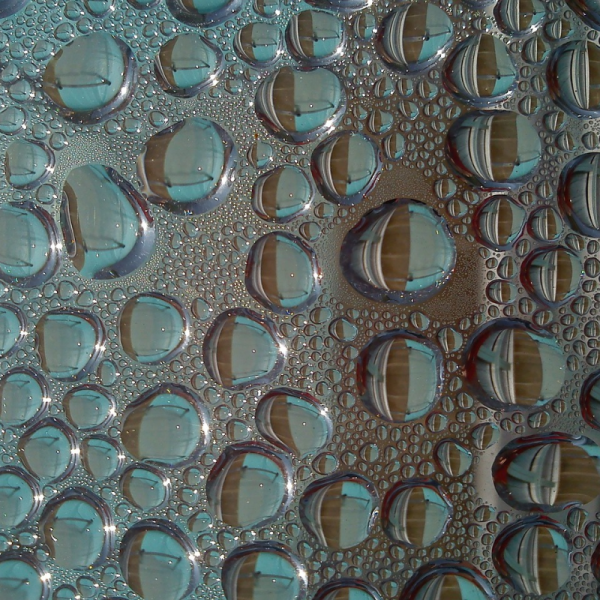
In a study published in Scientific Reports, researchers from the University of Basel, the Swiss Nanoscience Institute, and the Paul Scherrer Institute shed light on a fascinating phenomenon: surfaces coated with rare earth oxides gain water-repelling characteristics upon exposure to air. These surfaces show this trait even at room temperature, owing to chemical reactions initiated by ambient hydrocarbons. Continue reading →

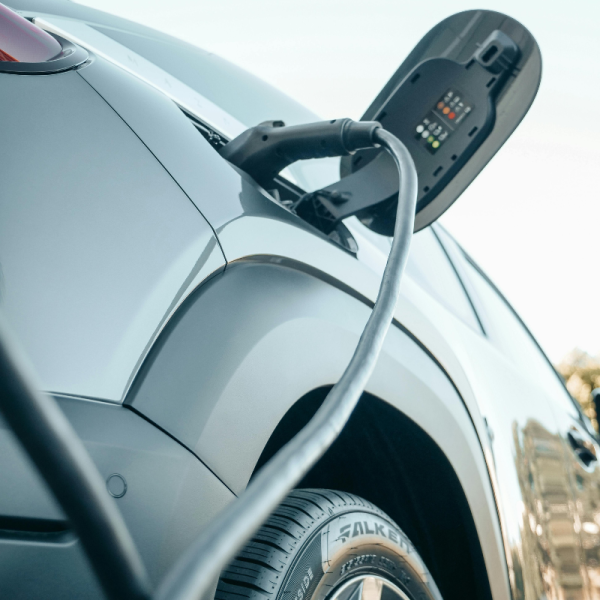 While the emergence of electric cars is far from new in today’s fast-paced, technologically advanced world, the concept of wireless charging still seems like science fiction. Wireless EV charging, currently in the pilot product stage in the US, is already being used by Chinese and South Korean automakers on commercial vehicle fleets. Chosen for their consistent routes and their ability to “doc” in specified overnight parking destinations, commercial vehicles serve as the ideal test subject for researching the larger impact of wireless EV charging for the mainstream population’s use. Continue reading →
 Magnetism has intrigued humanity since ancient times. Thales of Miletus (634–546 BC) observed iron's peculiar attraction to a substance now known as lodestone, or magnetite. This naturally occurring magnet, composed of iron oxide (Fe3O4), was discovered in Magnesia, Asia Minor. Early Chinese innovations revealed that a suspended piece of magnetite consistently aligned in a north-south direction, laying the groundwork for the magnetic compass. This fundamental understanding of magnetism eventually evolved into harnessing magnetic forces to generate electrical energy, forming the backbone of modern electricity production. Continue reading →
 Car manufacturers are continuing to pivot their long-term goals to emphasize the importance of electric vehicles. Recently, Nissan announced a massive shift in the production of their EVs thanks to the development of new magnets. The results could have a tremendous impact on consumers and set a potential new standard for the industry. Continue reading →
 We enjoy hearing about the positive experiences people have with magnets. Recently, we were delighted to see that magnets were making international news thanks to an incredible discovery one New York couple made while magnet fishing. Continue reading →
 On September 5, 2021, researchers at MIT’s Plasma Science and Fusion Center (PSFC) reached a milestone in fusion energy research. They successfully tested a groundbreaking high-temperature superconducting magnet, achieving a record magnetic field strength of 20 tesla. This feat is a crucial step toward creating practical fusion power plants, potentially revolutionizing the future of energy with virtually limitless and clean power. Continue reading →
 We enjoy hearing about the positive experiences people have with magnets. Recently, we were delighted to see that magnets were making international news thanks to an incredible discovery one New York couple made while magnet fishing. Continue reading →