
What is Electromagnetic Radiation?

X-rays, radio waves and visible light are all examples of electromagnetic radiation (EMR). What is electromagnetic radiation? It is a form of energy that travels in the form of electromagnetic waves, which are created when electricity and magnetism come together. James Clerk Maxwell first predicted the existence of these waves in the 1860s, but it wasn’t until Heinrich Hertz built a device that produced radio waves that their existence was proven. Hertz’ experiment proved not only that electromagnetic waves existed, but that they travel at the speed of light and behave like light, reflecting, refracting and polarizing.
How does it work?
Electricity and magnets both emit invisible fields. When those fields change or move together, they form electromagnetic waves. EMR interacts with matter and those interactions can produce electric current and heat.
This radiation can be described of in terms of its wavelength, or the distance between the crests of each wave. Another term that is used to describe it is frequency--the number of crests that pass by at a certain point at a certain length of time. Energy is also a key part of waves. When wavelengths shorten, the amount of energy increases.
Electromagnetic waves are essential to how many of the technologies we use today work, because they can travel through free space. Without it, we wouldn’t have radio, microwaves, X-rays and many other vital tools that we depend upon.
-
Magnetic Pole Searcher/Finder
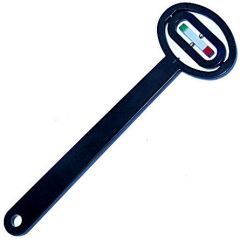
- 1 North/South Pole Magnet Identifier
- The unit consists of a small alnico bar magnet that is gimbal mounted
- SKU# MPS
$10.99 -
Ferrofluid Magnetic Liquid ***1 Ounce***

- 1oz bottle of Ferrofluid
- This liquid responds to magnets and magnetic fields
- Mineral oil based product
- SKU# FF1oz
$20.99 As low as $16.79 -
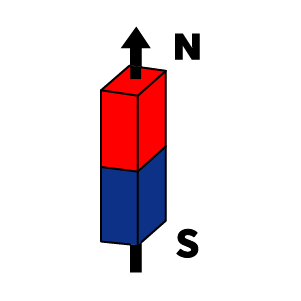
1/2 x 1/8 x 1/8 Inch Neodymium Bar Magnet N48 (30 Pack)

- 30 magnets
- Pull Force: 1.34 pounds per magnet
- SKU# M121818BR
 $12.99 As low as $9.09