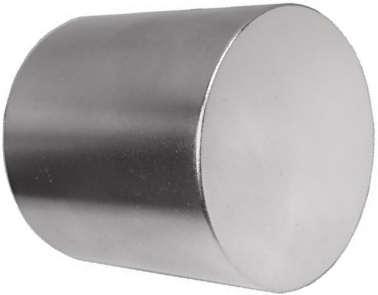
neodymium magnet information
-
When Do You Need a Custom Magnet?
 Custom magnets for industrial applications can solve design challenges that standard components simply cannot. But going custom should not automatically be the first step. A stocked magnet in a standard size, shape, and grade can simplify sourcing, shorten lead times, and make future reordering easier. For many projects, designing around an available magnet makes good engineering and business sense. So...
 -
How Magnets Help Power Your Summer Road Trip
 Before you pack the snacks, queue up your favorite playlist, and hit the open road, here's a question: How many magnets do you think are in your car? You’d probably be surprised to learn modern vehicles contain dozens of magnets. From the speakers playing your favorite road trip songs to the motors adjusting your seats and windows, magnets power many...
 -
Why Isn’t My Magnet Working? Common Magnet Problems and How to Fix Them
 You found the magnet. You placed it exactly where you wanted it. You stepped back… …and it slid down the wall. Or maybe it didn’t stick at all. If you’ve ever thought, “Why isn’t my magnet working?” you’re definitely not alone. It’s one of the most common questions we hear at Apex Magnets, and thankfully, the answer is usually simple...
 -
Miniature Magnets: Small Components with Big Industrial Uses
 In industrial and commercial applications, some of the most important magnets are the ones you barely notice. Tiny neodymium magnets, often measuring just a few millimeters, are used in everything from product design and cabinetry to electronics, medical devices, and specialty manufacturing. Despite their compact size, these magnets can deliver impressive holding strength and precision performance. The Significance of Miniature...
 -
How to Choose the Right Magnet Strength for Your Application
 Magnets come in a wide range of sizes, materials, grades, and strengths. Many factors determine magnet strength, including shape, size, coating, pull force, and the environmental conditions in which the magnet is used. Understanding how magnet strength is measured based on these factors can help you select the right magnet for your application. Understanding Magnet Grades and N Ratings The...
 -
All About Rubber Coated Magnets
 Rubber coated magnets combine a strong internal magnet with a protective outer layer of rubber. The rubber coating protects the magnet from corrosion and prevents damage to the surface it contacts, making these magnets particularly useful when you need grip, durability, and surface protection. Common uses of rubber coated magnets include automotive, industrial, and consumer environments where magnets may come...
 -
All About Cylinder Magnets
Introduction to Cylinder Magnets Cylinder magnets are among the most widely used magnet shapes in industrial, commercial, and DIY applications. As the name suggests, a cylinder magnet has a round profile with a length equal or greater than its diameter, similar to a rod or dowel. This simple geometry makes cylinder magnets easy to integrate into drilled holes, housings, shafts... -
The Role of Permanent Magnets in Data Center Infrastructure
Modern data centers are engineered for reliability, efficiency, and nonstop operation. Behind the servers, cooling systems, and power equipment that keep data flowing are permanent magnets. From airflow control to monitoring and backup power systems, permanent magnets help data centers operate with precision and consistency. Permanent Magnets in Cooling and Airflow Systems Cooling systems are one of the largest energy... -
What Ucore’s Louisiana Project Means for Magnet Supply
Canadian minerals company Ucore Rare Metals is gaining momentum toward establishing rare earth processing capacity in the United States, a development that could have long-term implications for manufacturers that rely on rare earth magnets. Ucore has selected an 80,800-square-foot site at England Airpark in Alexandria, Louisiana, for its planned Strategic Metals Complex (SMC). The facility is expected to begin commercial... -
Planning Your Magnet Supply in a Tariff-Driven Market
Over the past year, businesses across manufacturing, engineering, and sourcing have learned an important lesson: tariffs can disrupt supply chains quickly and drive up costs with little warning. As we look ahead, tariffs and market uncertainty are no longer short-term challenges. They are ongoing factors that require proactive planning. For companies that rely on magnets, especially rare earth magnets, the...