
magnets in medicine
-
Tiny Magnetic Microrobots Could Transform Medicine Delivery
 Researchers are now developing tiny magnetic microrobots capable of traveling through the bloodstream to deliver medicine directly to targeted areas of the body. According to a recent report from Magnetics Magazine, these microscopic robots are guided using external magnetic fields and could someday help doctors treat conditions with greater accuracy and fewer side effects. The microrobots, developed by researchers at...
-
The Power of Magnets in Osteoarthritis Treatment
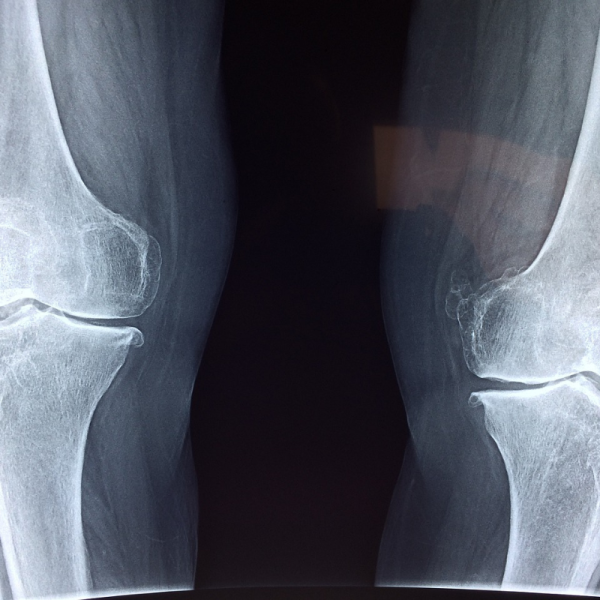 As we age, our joints endure wear and tear, leading to conditions like osteoarthritis, especially in the knees. Traditional knee replacement surgeries, though common, require lengthy recovery periods and pose risks for individuals with comorbidities. However, Flying Cell, a Tokyo-based company, is pioneering a new approach using stem cell therapy enhanced by magnets. Continue reading →
-
How Magnets Make The Latest MRI Technology Possible
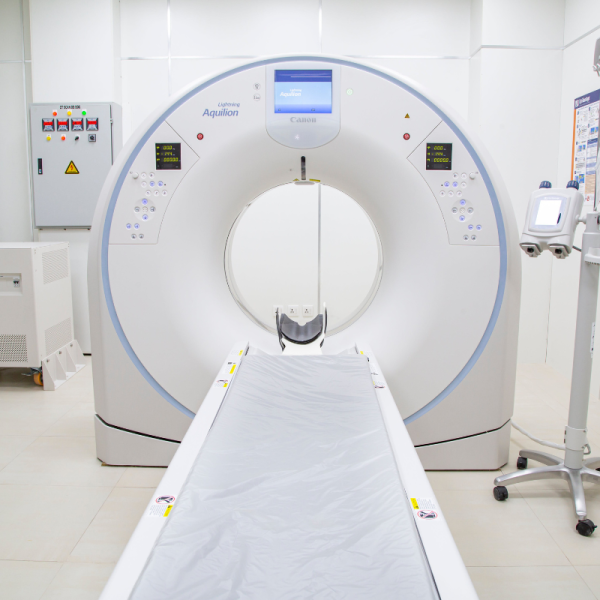 The future of magnet technology utilized in MRI units is rapidly advancing with pioneering innovation from an Italian-based company, Paramed Medical Systems. Featuring an open-magnet configuration, Paramed has introduced an innovative superconducting material, intent on fostering patient comfort in a more sleek and economical scanner design. Continue reading →
-
The Advancements of Nanomedicine & Cancer Research
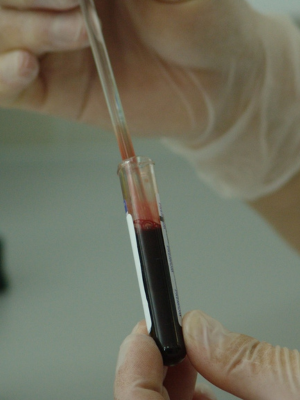 According to Science Direct, “Magnetic nanoparticles (MNPs) are a class of nanomaterials composed of metals such as cobalt, nickel, and iron, with paramagnetic, ferromagnetic, or superparamagnetic properties.” MNPs are being used in more and more biological and medical applications — “nanomedicine” — from therapeutic treatments and magnetic targeting to cardiovascular imaging, tissue engineering, targeted drug delivery, and disease detection. Continue reading →
-
How Magnets Are Helping To Control Prosthetic Limbs
 Magnets can be found in various facets of the medical field today, but a group of scientists at MIT and Brown University are the latest team of innovators to push the limits of scientific discovery with these powerful rare-earth elements. Utilizing a set of small magnets, the team hopes to employ this technology as a highly sophisticated method to monitor muscle movements in real time, affording amputee patients greater control over their prosthetic limb(s). With the goal to closely mimic what would be the patient’s natural limb movement, the team’s efforts have already shown promising results for accuracy and safety. Continue reading →