
electromagnetism
-
Shrinking Coins with Electromagnetism
 The saying ‘bigger is better’ has taken the nation by storm, whether it’s describing the size of your phone or your television. But for the people over at Physics Girl, they’ve taken a liking to the exact opposite of that perspective, shrinking. Now you may remember “Honey, I Shrunk The Kids” where an inventor’s shrink ray miniaturized his children, but this shrinking isn’t movie magic. Using a capacitor, a coil and some electricity they are able to actually shrink a quarter to a notably smaller size. Although it isn’t truly shrinking, but more compressing, it gives the illusion that the quarter has been shrunk down. Continue reading →
-
Magnetic Propulsion and the Final Frontier
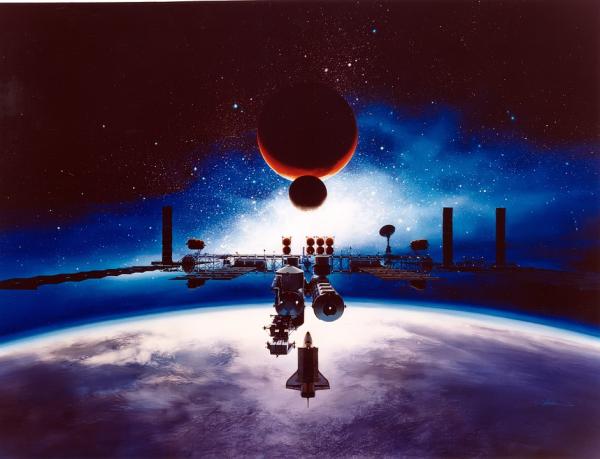 With help from magnets, we may be able to explore farther and deeper into the final frontier than ever before. This may sound like science fiction, but scientists are already experimenting with electromagnetic propulsion as a possible alternative to chemical launches. So, how does electromagnetic propulsion work? Continue reading →
-
Why Ghosts Are Magnetic
 If you’ve ever been alone in an old house or graveyard at night, it might seem like every little sound is amplified and menacing. The hair on the back of your neck stands up and you feel like someone is watching you. Even if though you don’t believe in ghosts, in certain spooky situations it’s not difficult to imagine a ghostly apparition coming to get you. So, what’s causing your normally rational brain to conjure ghosts and make you feel paranoid? It might be that a nearby electromagnetic field is bringing back the dead. Continue reading →
-
What Is A Magnetic ‘Tractor Beam’?
 In the news recently, you may have seen a few companies debut their versions of magnetic hoverboards such as Lexus and Arx Pax. While the hoverboards aren’t quite ready for public consumption, they did pique the interests of NASA scientists. NASA partnered with Arx Pax to use their Hendo Hoverboard engine technology to develop a magnetic ‘tractor beam’. So, what is a ‘tractor beam’ and what does it have to do with the Hendo Hoverboard? Continue reading →
-
3 Uses For Electromagnetic Pulses
 Electromagnetic pulses (EMPs) occur when a rapidly accelerating electric current generates a magnetic field and causes a burst of electromagnetic energy. Commonly caused by lightning strikes, EMPs can cause power outages and can even damage electronics by short-circuiting them. While we have ways of protecting ourselves against EMPs caused by lightning, can we use EMPs for our own purposes? Continue reading →
-
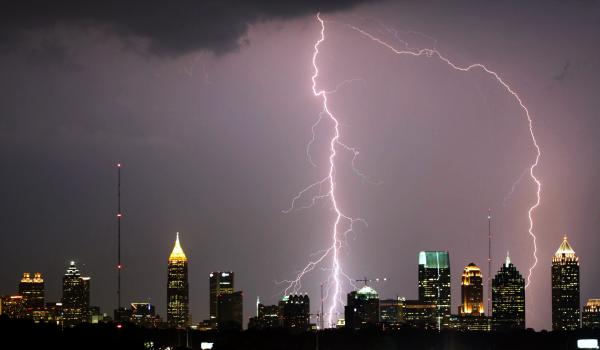
Are Lightning Strikes Magnetic?
 Lightning isn’t drawn to metal by magnetism. Tall, pointed objects are the most likely to be struck, and metal simply carries the current well. Lightning is magnetic in its own right, though: electrical currents cause magnetic fields to form around them. Lightning strikes are rapidly moving electric currents and the movement of electric charges produces a magnetic field. This is called electromagnetism. The electromagnetic properties of lightning are apparent in several ways. The two most apparent magnetic properties of lightning, however, are remanent magnetization and electromagnetic pulses. Continue reading →
-
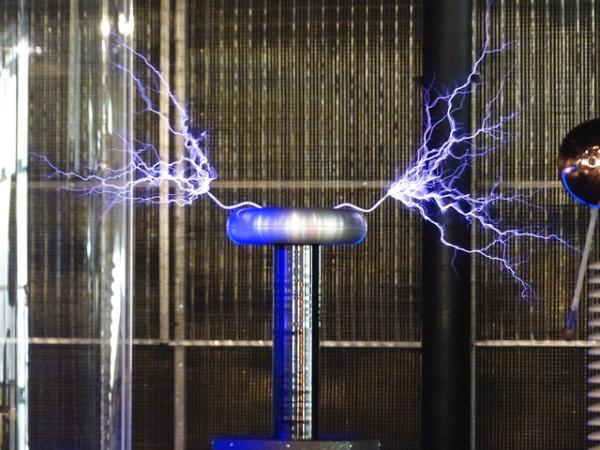
Electromagnetic Induction and Tesla Coils: How It Works
Nikola Tesla is known as one of the greatest minds in science. His experiments helped to further the fields of electricity and magnetism, making many of the gadgets and luxuries we enjoy today possible. One of Tesla’s most well-known inventions is the Tesla coil, a resonant air-core transformer that Tesla used to produce very high voltages and to experiment with wireless transmission of power and signals. The coil was created in 1891. Continue reading → -
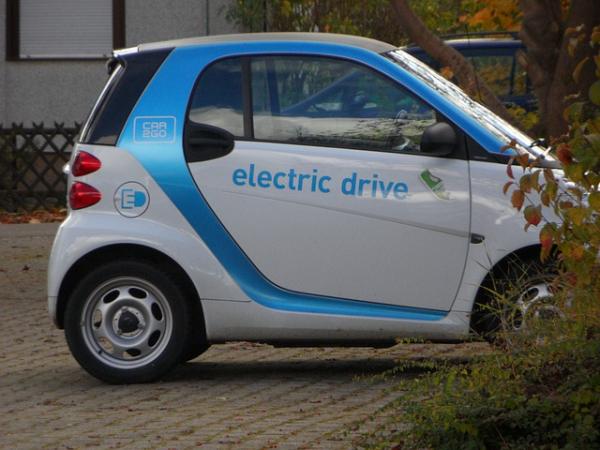
How Do Electric Cars Use Magnets?
Many things that use a motor or electricity to operate are built with magnets. That means cars also have them. In fact, magnets can be found in multiple places other than the motor in some cars. Unlike traditional automobiles, electric cars are powered by electricity rather than gas, so they have no tank. Instead, they have large batteries or fuel cells and “fueling up” is much like plugging into an outlet for battery models. According to an analysis by the Centre for Solar Energy and Hydrogen Research Baden-Württemberg (ZSW), there were over 400,000 electric powered cars on the road in early 2014. For comparison, the IEA's Global EV Outlook 2026 reports that more than 20 million electric cars were sold worldwide in 2025 alone. Each of those requires magnetism in order to work. When it comes to electric cars, magnets are essential. How are magnets used in electric cars? Continue reading → -
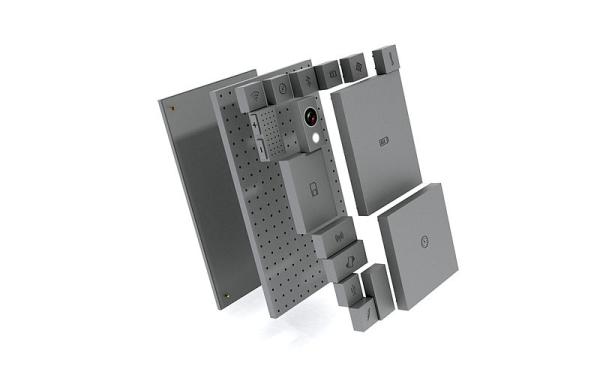
Project Ara: A Modular Smartphone Using Electro-Permanent Magnets
Editor's note: this is a 2014 post kept for the archive. Google suspended Project Ara in September 2016, so the phone was never released. When we first wrote this, one of the hot topics that week was Project Ara. It was a modular smartphone project, announced by Google, that could be customized and updated using electro-permanent magnets. Google discontinued the project in 2016. If you haven’t heard about the project, it could entirely change the way we update our smartphones. Instead of buying a phone every few years, Project Ara phone’s modular units allow owners to replace and upgrade parts as needed. The smartphone fosters user customization and could possibly reduce the record 62 million tonnes of e-waste generated worldwide in 2022 (UN Global E-waste Monitor 2024). Continue reading →
Page
- Page Previous
- Page 1
- Page 2
- You're currently reading page 3