admin
-
Magnetic Easter Egg Hunt
 Easter is here and that means it’s egg painting time! This year, you can plan something that’s fun and educational with a magnetic Easter egg hunt. Learning doesn’t have to end with school, and using magnets in your crafts and projects will both excite and teach your family at the same time. Continue reading →
-
Scientists Develop a New Permanent Magnet Material Technology For Industrial Magnets
 A group of scientists from the Korea Institute of Materials Science (KIMS), led by Dr. Jung-Goo Lee and Dr. Tae-Hoon Kim, developed a new rare earth element-reduced permanent magnet material that can reduce the use of the element neodymium by about 30% in industrial magnets. Because rare earths can be difficult to obtain and many countries experience supply shortages (most production takes place outside of the US and there are limitations and regulations to export), the scientists aimed to find an alternative solution to reduce neodymium without impacting its magnetic properties. Prior to this new development the cerium content was increased, but it negatively impacted magnetic properties. Continue reading →
-
Tiny Magnets Could Be the Key to Quantum Technology
 Did you know that magnetism could potentially play a role in relaying quantum information? Well, the U.S. Department of Energy’s Argonne National Laboratory has performed extensive research that has, according to their scientists, achieved efficient quantum coupling between two distant magnetic devices, which can “host a certain type of magnetic excitations called magnons.” Continue reading →
-
Queen Elizabeth Prize for Engineering Recognizes a Magnetic Discovery
 The Queen Elizabeth Prize for Engineering — called the “Nobel for engineering” — recognized the importance and ubiquitousness of magnets by naming Japanese scientist Masato Sagawa the 2022 laureate. Sagawa invented the neodymium-iron-boron (Nd-Fe-B) magnet, which is the strongest permanent magnet in widespread use today. They’re everywhere around us in the products we use every day, like cars, cellphones, and computers. It’s relevant to note that America’s Dr. John Croat simultaneously came up with the same material solution when working with General Motors. Sagawa’s manufacturing process, however, gave him the upper hand. Continue reading →
-
Magnetic Science Fair Projects, Part 3: Evaluating Magnetism in Different Liquids
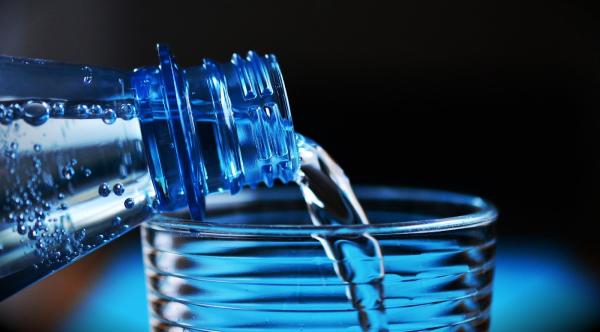 Today we’re serving up the final project in our science fair series — it’s all about magnets and viscosity. Viscosity is the thickness of a liquid and its resistance to flowing. It relates to the size and shape of the particles that make up the liquid and that attraction between them. Low viscosity liquids flow quickly, and high viscosity liquids flow slowly. Viscosity does not change a magnet’s strength, but it can affect how quickly a magnet pulls a steel object through a liquid, so in this project, we’re looking at how different liquids affect that movement. It’s perfect for an age range from Kindergarten to 6th grade. As always, here’s your friendly reminder to always handle magnets with care. Refer to our safety tips for more information. Continue reading →
-
Roundup: Magnets For Safety
 Magnets are integral to the workplace. They not only streamline processes but provide safety in high-risk applications. Magnets can help address common work hazards and meet industry safety practices because of their durability, reliability, and pull force. They are particularly useful for safety in metalworking and fabrication, automobile workshops, production facilities, construction sites, warehouses, and more. Considering implementing one of the following types of magnets to improve safety processes: Continue reading →
-
Should You Use a Magnet Coating or Finish For Your Application?
When filling out your Apex custom magnet request form, you’ll come across a section to choose a magnet coating or finish: nickel, zinc, epoxy, gold, rubber, parylene, or none. Magnet coatings and finishes could help your magnet perform better in your application. They can improve durability, which increases the magnet’s lifetime and reduces overall costs. If you’re unsure of which magnet coating or finish you should get, or if you should get one at all, this guide can help you decide. Continue reading → -
How Magnetic Sensors Help With Drilling Oil Wells
The oil and gas industry experiences limited natural resources, which means many oil and gas companies have to drill new wells to maintain the oil and gas supply. The process of drilling new wells oftentimes means drilling in different rock formations, new directions, and going deeper into the ground. As a result, the environment is more dangerous and challenging. Oil and gas companies can leverage two magnetic sensors to help minimize operational challenges. Continue reading → -
Magnetic Science Fair Projects, Part 2: Measuring Iron in Cereal
Welcome to part two of our science fair series — Today, we’re walking you through the magnetic breakfast project, where we’ll measure the amount of iron found in different cereals. Safety note: Neodymium magnets are not toys and are intended for adults 18 and older. Any project that uses neodymium magnets should be done only under the direct supervision of an adult, and the magnets should be kept away from young children and pets. If two or more magnets, or a magnet and a metal object, are swallowed, they can pull together through the intestinal walls and cause serious injury. Get emergency medical care right away if you suspect a magnet has been swallowed. Our bodies need iron; it’s an essential mineral used to make hemoglobin, which carries oxygen from the lungs to the rest of the body. An iron deficiency can lead to fatigue, weakness, shortness of breath, dizziness, and headaches. If the deficiency continues, we could develop iron deficiency anemia. Fortunately, most of us are able to get enough iron from the foods we eat. Continue reading → -
Magnetic Science Fair Projects, Part 1: How Permanent Magnet Strength Varies with Temperature
Has your kid been brainstorming ideas for their next science fair or school project? If you want to help them get a little more creative than a paper mache volcano (no judgment; we love a good volcano as much as the next person!), then consider suggesting a magnet implementation for the next project. Safety note: Neodymium magnets are not toys and are intended for adults 18 and older. Any project that uses neodymium magnets should be done only under the direct supervision of an adult, and the magnets should be kept away from young children and pets. If two or more magnets, or a magnet and a metal object, are swallowed, they can pull together through the intestinal walls and cause serious injury. Get emergency medical care right away if you suspect a magnet has been swallowed. Not only do magnets make for fun and exciting scientific displays, but they’re also extremely applicable to day-to-day life. It’s a great way for kids to learn and present all the ways that magnets are used in practical and important ways. This is part one of a three-part series in which we’ll share specific ideas for magnetic science fair projects, including a list of materials and a step-by-step guide. Remember, always handle magnets with care. Refer to our safety tips for more information. Continue reading →