
admin
-
Magnets Used in Baby Clothes: How They Work & Why They’re Popular
 DIY and home magnet projects are popular because they make life easier, with tons of storage ideas, equipment, and crafts available to suit just about any need. We don’t typically associate magnets with clothing though. Furthermore, infants and small children are probably not the first audience we would consider. That’s something companies like E=MC2 and Magnetic Me want to change. Continue reading →
-
New Aurora From Magnetic Fields Discovered on Saturn
 Scientists are always asking questions. In the pursuit of answering them, they often encounter riddles that only serve up a side of more questions. Other times, they discover something new… but even those answers come with questions. Such was the case when scientists asked themselves, “Why can’t we figure out how long a day lasts on Saturn?” Continue reading →
-
How the UK is Leading Rare-Earth Magnet Recycling
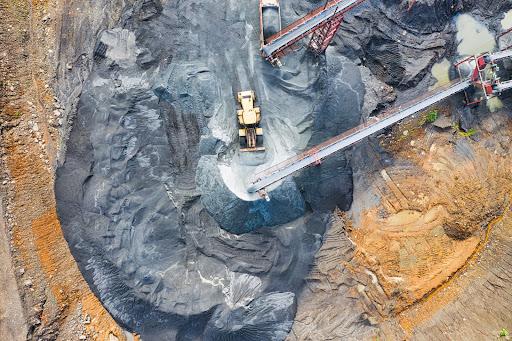 In our "rare" Earth Day roundup, we discussed how important it is to recycle rare-earth magnets in order to keep them affordable and accessible. Some universities in the U.S. have made progress on how to safely and effectively recycle rare earth elements (REE) from electronics and reuse the materials in new equipment. Recently, competition from across the pond is putting the United Kingdom at the forefront of rare-earth magnet recycling efforts. Continue reading →
-
Anti-lock Brake Systems: The Rule, Not the Exception
 Anti-lock braking systems (ABS) in vehicles, including motorcycles and aircraft, haven’t just become more popular, they’ve become the standard in vehicle safety. Since the 90s, it has become a baseline feature in cars instead of a premium one. Studies generally associate ABS with fewer crashes and injuries, though the benefit varies with vehicle type and road conditions Anti-lock Brake Systems Continue reading →
-
Choosing the Right Business Magnet, Based On Operating Temperature
 When purchasing magnets for your business, one important consideration is the operating temperature. Temperature can impact magnetic strength significantly, especially if the operating temperature is extremely hot or cold. When a magnet is in extreme temperatures, the balance between temperature and the magnetic domain (the atoms inside that spin in a particular direction) becomes destabilized, altering its magnetic properties. Most magnets perform better in cold temperatures than hot, but each type of magnet is different. The magnet's reaction to temperature depends on the magnet material, size, and shape. If you don't consider these factors, you may have to replace magnets, which can be costly and dangerous. Continue reading →
-
Separating Stainless Steel in PVC Window Frame Recycling
 Each year, the UK fenestration industry estimates that about 7 million window frames are replaced, 80% of which are UPVC window frames. Many perceive UPVC window frames as non-recyclable, and as a result, they end up in landfills. However, UPVC frames can actually be recycled and reused to manufacture new frames. Their lifespan can be significantly extended to help reduce waste, and they can be recycled up to ten times without losing performance, according to manufacturer VEKA. UPVC window frames contain handles, hinges, and locks, typically made of steel, stainless steel, aluminum, or brass. Because steel and some stainless steels are magnetic, magnetic separators make recycling these window frames much easier, although aluminum and brass are not attracted to magnets. Not only is magnetic separation useful for recycling, but it also prevents costly damages to equipment if metal materials are not removed. Continue reading →
-
Using Magnets to Pull Dents Out of Cars
If you work at a body shop, you probably know that removing dents from cars can be costly, and that a careless repair can scratch the car or chip the paint. It is tempting to think a magnet could solve the problem: hold it near the dent and let the magnetic force pull the metal back out. Unfortunately, a handheld permanent magnet can't do that. Here is why, and where magnets are actually useful in a body shop. A dent is metal that has been permanently bent. Straightening it takes far more force, applied in a controlled way, than the attraction of a handheld magnet can supply, whether the magnet is touching the panel or held an inch away. Continue reading → -
Magnetostrictive Sensors in High Stake Environments
In specific high-stakes environments, such as manufacturing, where there are high operating temperatures, magnetostrictive linear position sensors play an important role in factory automation. They are cost-effective and simple to install, making them ideal for many industrial applications. Continue reading → -
The Story Behind The Horseshoe Magnet
When you imagine a magnet, does the iconic horseshoe magnet come to mind? For many, it does! This U-shaped magnet has remained a popular depiction of magnets and has an interesting story behind it. Continue reading → -
Earth Day: Rare Earth Magnet Recycling
Have you purchased rare earth magnets or bought items containing magnets and questioned how to dispose of them when you’re finished? We’ve covered the topic of recycling and reusing rare earth magnets in blogs before, so to celebrate Earth Day, we’ve rounded some key topics to keep you up-to-date on this important topic. Today, recycling remains a critical issue in environmental discussions, but plastic and glass are not the only materials with an environmental impact. After all, it is estimated that only one percent of rare earth elements (REE) are recycled from end products for modern technologies. For example, magnets are in many of the devices we discard, but they are often forgotten. Continue reading →


