admin
-
Magnets in Video Tape: Turning Iron Particles into Visuals
 In the 1970s, VHS waged a videotape formatting war with the now defunct Betamax, much like the competition between DVD and Blu-Ray in the mid-2000s. VHS may have won out in the end thanks to its affordability, but the format has since been pushed to the limits with today’s streaming, digital, and Blu-Ray technology. Still, VHS technology isn’t completely obsolete –– or, at least, not yet. It’s true the last manufacturer of VCRs ceased production in 2016 after the industry sold about 750,000 units the year before. As for blank VHS tapes, availability in stores is now limited and varies by retailer. While the ever-rolling train of technological revolution leads us to abandon certain products in favor of “the next best thing,” we can’t help but mourn the decline of VHS since these tapes really go the distance when it comes to creatively harnessing the power of magnetism. Continue reading →
-
Earth’s Magnetic Field is Actually a Solar-Wind Shredder
 At one point in time, Mars – arguably the most similar planet to Earth in our solar system – wasn’t the frozen desert we know today. In fact, researchers suggest that oceans and rivers once existed on its surface before solar winds from the Sun stripped away much of the atmosphere that held them. Continue reading →
-
Did You Know That the Sun's Heliosphere is Actually a Magnetic Solar Bubble?
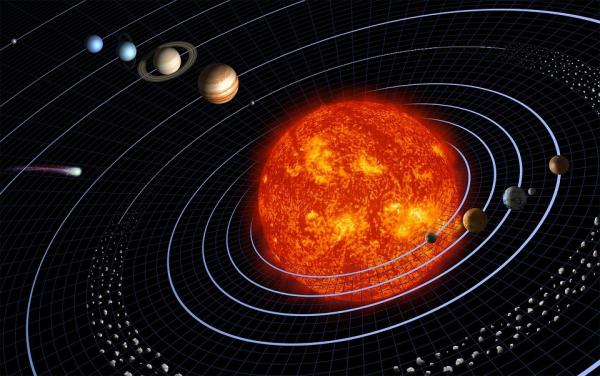 In its essence, the Sun is considered the heart of our solar system. From Earth’s standpoint, the scorching yellow star of glowing gases directly dictates its seasons, ocean currents, climates and aurorae. If the sun were the size of a front door, Earth would be about the size of a nickel. And without its energy, human life wouldn’t even exist. Crazy to consider, right? However, that example only provides a slight sliver of the Sun’s impact. In actuality, its gravity holds the solar system together, keeping everything from the largest of planets – Jupiter, Saturn, and Uranus – to the smallest particles of debris in orbit within the heliosphere, a bubble of solar wind and embedded magnetic field that extends roughly 120 astronomical units (about 11 billion miles). Continue reading →
-
Magnetic Concrete Could Enable Electric Cars to Drive Indefinitely
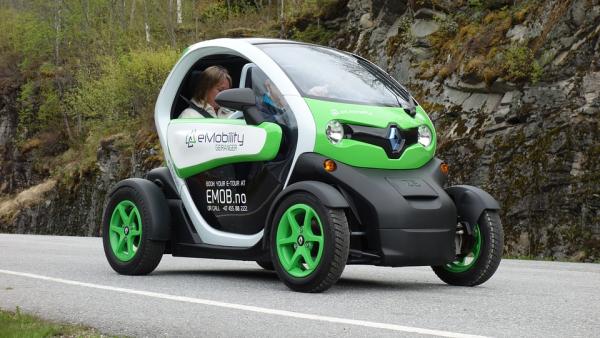 As early as the 19th century, electric cars were primed to take over the automotive industry and change the face of travel forever, specifically when it came to speed. In fact, an electric car held the land speed record until the early 20th century. However, for the rest of the 1900s, the popularity of electric cars waned, stagnating the progress of electric vehicle technology. In the past two decades, the industry has begun to make a resurgence, but it still has major drawbacks. Similarly to their gas-powered counterparts having to stop and refuel, electric cars have to stop and recharge. Wouldn’t it be great if electric cars were like the latest cell phones though? You could park them on any surface, and they would charge wirelessly –– no cables, no outlets. This is a concept German startup Magment is developing and testing in pilot projects. Magment’s product, also called “magment,” is designed to allow for dynamic charging so that electric cars can recharge while in motion. If roads were widely equipped with this technology, long trips could in theory need far fewer charging stops. Continue reading →
-
Magnets in Marketing: Turning Cars into Mobile Billboards
 You have probably seen them speeding down the highway or stuck beside you in traffic – cars covered in magnetic advertisements. This kind of marketing is growing in popularity, and for good reason. It generally costs less than painting a car, is far less permanent, and transfers easily from one vehicle to another or into storage. Before you jump into the world of magnetic marketing and mobile advertising, however, we want you to be aware of all the potential perks and drawbacks so that you can make an informed decision. Continue reading →
-
Laser-Generated Magnets: A Third Option to Permanent Magnets and Electromagnets
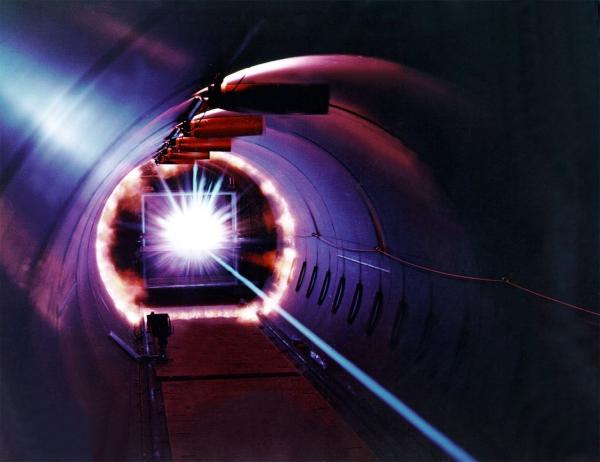
 Permanent magnets are wonderful tools, but they have an inherent drawback depending on the application: you can’t turn their magnetism “on” and “off” with ease. Unless the magnet becomes too hot or is demagnetized by a nearby force, it will generate a magnetic force indefinitely. Continue reading →
-
Magnets Over the Last 100 Years: From AlNiCo to Neodymium
By eleventh century AD, the ancient Greeks, Romans, and Chinese all recorded their discovery of a seemingly magical rock that attracted iron and other stones: the naturally occurring lodestone. After its discovery, it didn’t take long for the Chinese to develop the first compass between 400 and 200 BC. Thus began the history of the magnet. Continue reading → -
Wireless Communication to Radar Systems: How Magnetism Makes It Possible
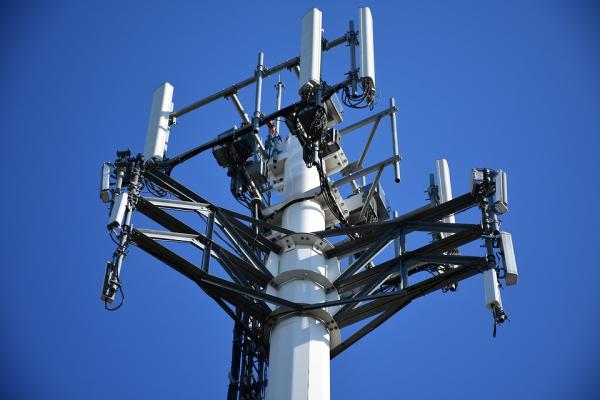
If your car breaks down, one of the first things you’ll do is pull out your cell phone and dial for help. Did you know you have magnets to thank for that phone call? Maybe you think we’re talking about the tiny magnets inside your phone, but this blog is actually about something even more impressive. There are magnets miles away from you that make it possible for your call to travel from your phone to AAA. Continue reading → -
Magnets in Fashion Statements
Magnets are generally well-known for their industrial applications, but did you know they might be the next showstopper on red carpets too? That’s right, the fashion industry is finally starting to capitalize on magnets as reliable replacements for traditional buttons and clasps in clothing and jewelry, as you may have seen in some of our tutorials. So, how do magnets make the lives of fashion designers and distributors easier? Continue reading → -
Who’s Who in Magnetics: Resources, Researchers, and Organizations
Back in the 90s, the U.S. was a major manufacturer of rare earth magnets. That was thanks in part to the Mountain Pass rare earth mine in Southern California. The mine closed for a period in 2015 and has since reopened under MP Materials. As China expanded its rare earth mining and processing, supported by state backing and lower production costs, the industry largely shifted overseas. About 94% of sintered permanent magnets (the type used in neodymium magnets) now come out of China, according to the International Energy Agency's 2024 data. With that shift, magnet-related magazines, trade associations, and conferences have also consolidated. Despite the decrease in manufacturing numbers, there are still several notable magnet resources in the United States and Europe — periodicals, associations, conferences, and major research labs — all ripe for researchers, engineers, and magnet enthusiasts to subscribe to or enjoy. Continue reading →