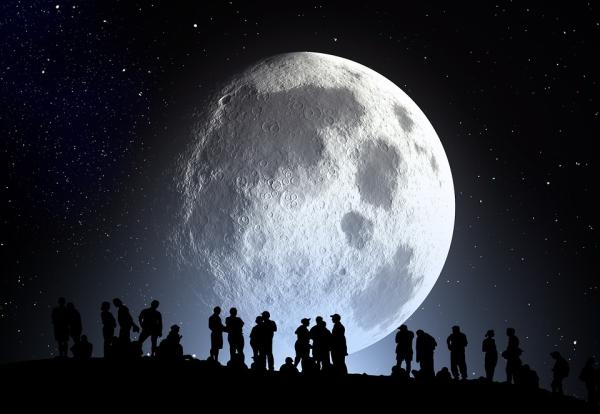
If you haven’t heard by now, there will be a total solar eclipse occurring Monday, August 21st. The Great American Eclipse will be viewable across the country at different times depending on your location. You can see a full map and times of full obscurity here. But what exactly happens during a full eclipse? Continue reading →
We love learning about new and exciting magnet-related findings and we hope you do, too! Always on the search for new information and discoveries, we keep a close eye on the leading magnetic research facilities to see what they’re up to. Today on our blog, we’ve rounded up a few of the most significant magnetic research institutions in America and highlighted some of their findings to give you a little sample of what these labs do and what their contributions to science have been. Continue reading →
One of the greatest things about our solar system is that every single planet is unique. From Saturn’s magnificent rings to sulfuric acid of Venus’s atmosphere to Earth’s ability to sustain life. In addition, some planets offer fascinating magnetism. Our own magnetic field keeps us safe from harmful radiation and creates stunning aurorae. Jupiter’s magnetic field is the largest single object in the entire solar system! Continue reading →
Think about all the aspects of our daily life that you take for granted—objects and activities we don’t even notice anymore. Microwaves, cars, television, even the light bulbs we use were all once revolutionary scientific concepts brought about through the scientific method of trial and error. Magnetism is no different and it’s common acceptance is largely due to the “Father of Magnetism,” William Gilbert. Continue reading →
If you cut a magnet in half, you won’t end up with a north piece and a south piece. You’ll end up with two pieces, both of which have a north and a south pole. Even if you cut it down to the size of an atom, the resulting magnet would still be a dipole—having two opposite poles. Why hasn’t a monopole, or a single pole magnet, been discovered yet? Continue reading →
The Bermuda Triangle is notorious for strange phenomena and mysteries. While it’s probably more myth than fact, this peculiar part of the globe has captivated our imaginations for years. Well, those of us in the magnet biz have our own version—Russia’s Kursk Magnetic Anomaly. Continue reading →
Checking out at a store is usually a stress-free process. Your items are scanned, you hear the total, you swipe your card, you grab your things, you leave. But sometimes there’s a hitch in the process. Your card won’t scan! Not to worry. It’s a pretty common issue and it can happen to anyone. It just means something’s wrong with your card’s magnetic strip. Continue reading →
Devotees of this blog surely know how much we love Earth’s magnetic field. Indeed, it’s a pretty important component for sustaining life on our planet, shielding us from the harmful radiation hurled out by the sun. Other planets have them, too. Jupiter’s magnetic field is the largest entity in our entire solar system! Continue reading →
Magnets might seem like something only teachers and important scientists use, but they’re actually a very large part of our everyday lives. There are magnets EVERYWHERE. From your bathroom to your bedroom to your kitchen, many items s we use and rely on on a regular basis use magnets. Continue reading →

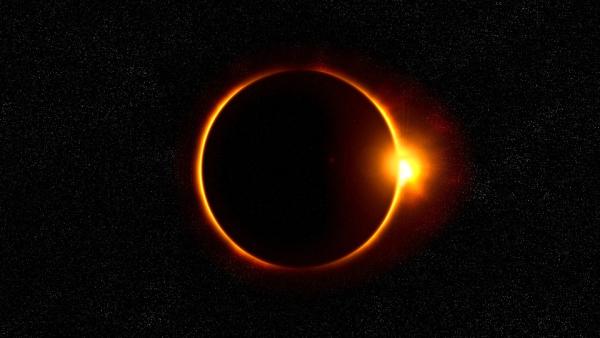 If you haven’t heard by now, there will be a total solar eclipse occurring Monday, August 21st. The Great American Eclipse will be viewable across the country at different times depending on your location. You can see a full map and times of full obscurity here. But what exactly happens during a full eclipse? Continue reading →
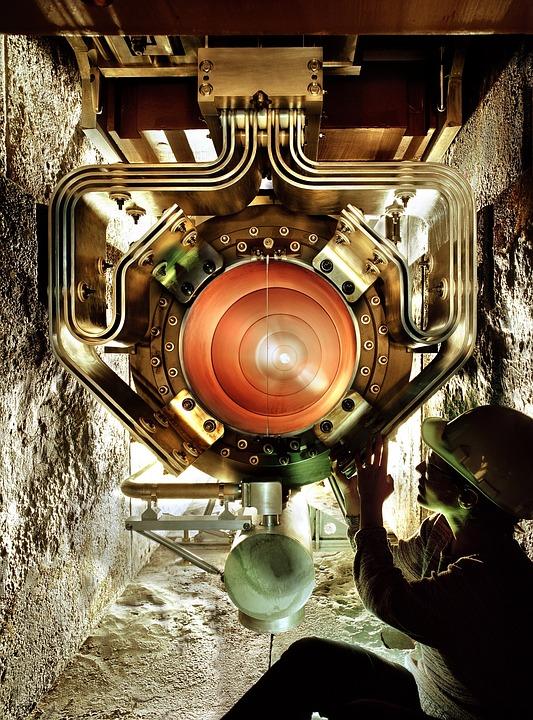 We love learning about new and exciting magnet-related findings and we hope you do, too! Always on the search for new information and discoveries, we keep a close eye on the leading magnetic research facilities to see what they’re up to. Today on our blog, we’ve rounded up a few of the most significant magnetic research institutions in America and highlighted some of their findings to give you a little sample of what these labs do and what their contributions to science have been. Continue reading →
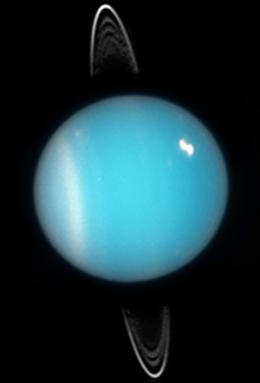 One of the greatest things about our solar system is that every single planet is unique. From Saturn’s magnificent rings to sulfuric acid of Venus’s atmosphere to Earth’s ability to sustain life. In addition, some planets offer fascinating magnetism. Our own magnetic field keeps us safe from harmful radiation and creates stunning aurorae. Jupiter’s magnetic field is the largest single object in the entire solar system! Continue reading →
 Think about all the aspects of our daily life that you take for granted—objects and activities we don’t even notice anymore. Microwaves, cars, television, even the light bulbs we use were all once revolutionary scientific concepts brought about through the scientific method of trial and error. Magnetism is no different and it’s common acceptance is largely due to the “Father of Magnetism,” William Gilbert. Continue reading →
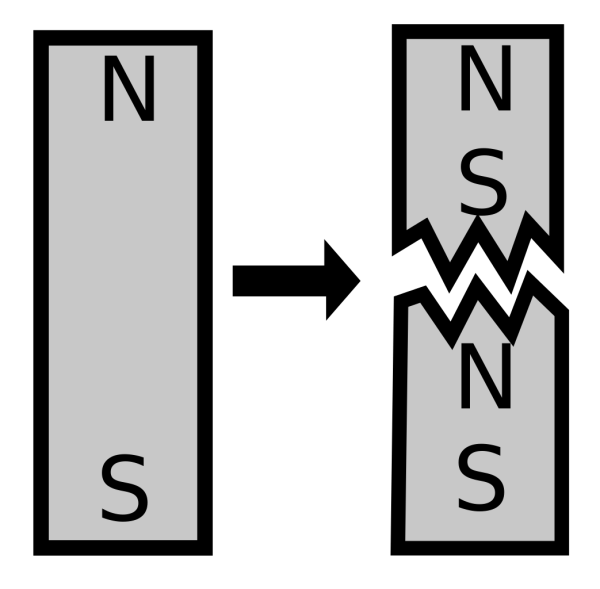 If you cut a magnet in half, you won’t end up with a north piece and a south piece. You’ll end up with two pieces, both of which have a north and a south pole. Even if you cut it down to the size of an atom, the resulting magnet would still be a dipole—having two opposite poles. Why hasn’t a monopole, or a single pole magnet, been discovered yet? Continue reading →
 The Bermuda Triangle is notorious for strange phenomena and mysteries. While it’s probably more myth than fact, this peculiar part of the globe has captivated our imaginations for years. Well, those of us in the magnet biz have our own version—Russia’s Kursk Magnetic Anomaly. Continue reading →