
rare earth magnets
-
Global Industry Analysis of Rare Earth Magnets
 Rare earth magnets are part of a massive, multi-billion dollar industry that is only growing in size and complexity. A recent study by Grand View Research Firm, Inc. predicted in 2016 that the global permanent magnet market would reach $38.53 billion by 2024, with rare earth magnets the fastest-growing segment at a 9.3% compound annual growth rate. Grand View Research's...
-
The Differences in N-Ratings for Neodymium Magnets
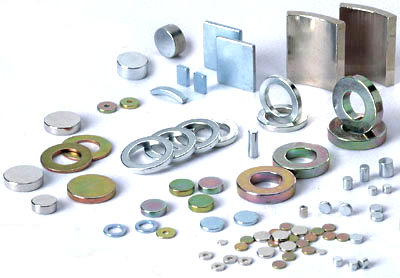 Every type of permanent magnet, whether neodymium, AlNiCo, or something else, has its own alphanumerical system for classifying strength. Each one is unique, and there’s no simple formula for translating a system from one magnet type into the system for another. Continue reading →
-
Please Return Your Magnets to their Full, Upright Position
 Air travel can be a real headache. Before even taking off, there are so many steps to complete and account for. Gathering boarding passes, getting through security, finding the right terminal, and waiting at the gate all add up to a rather hectic and draining experience. On top of all this, Earth’s magnetic field is creating a new problem for runways around the world. Continue reading →
-
Recycling Computers into Rare-Earth Magnets
 Magnetic hard drives store so much personal information in this day and age. So how do you get rid of them securely when your computer’s time is up? According to Tim McIntyre, program manager at Oak Ridge National Laboratory’s Electrical and Electronics Systems Research Division, 115 million hard drives will reach the end of their use in 2016 alone. Why not put them to good use? Especially when that use does wonders for the world of magnets. Continue reading →
-
Can You Recycle Rare Earth Magnets?
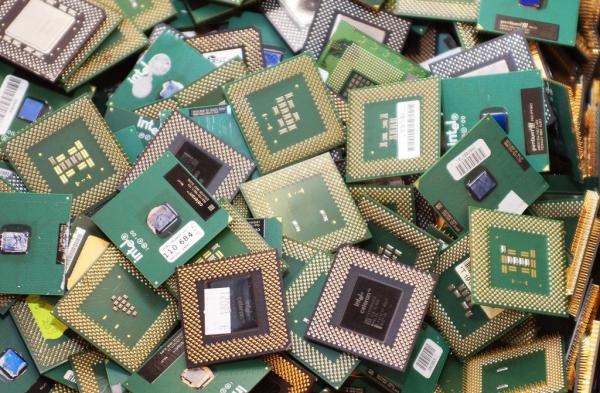 How many electronic devices do you use on a daily basis? With headphones, cell phones, hard drives, and electric motors the answer might be countless. You’ve also probably replaced and upgraded your devices innumerable times. As you burn through all of that technology, consider the parts of the devices. Rare Earth magnets are key ingredients in many electronic devices. These small, powerful magnets are named for the rare Earth elements they contain. The name is historical: these elements are not especially scarce in Earth’s crust, but economically workable deposits are limited. Because these elements are difficult to find in mass naturally and are also in high demand, many companies tried to develop efficient methods for recycling the elements from used products. Continue reading →
-
Could A New Discovery Change How Rare Earth Magnets Are Made?
 Cerium seemed the least likely element to solve the problem of creating cheap rare earth magnets, because it tarnishes easily, reacts with water, and burns when heated. Scientists at the U.S. Department of Energy’s Ames Laboratory, however, found a way to use cerium instead of dysprosium in high-performance magnets. They added small amounts of cerium and cobalt together to create an alloy with performance comparable to the dysprosium-containing alloy commonly used for high-performance permanent magnets, and with higher resistance to demagnetization at high temperatures. Continue reading →
-
3 Creative Ways To Use Magnetic LED Throwies
Using LED lights around your home can present a number of benefits. For example, LED lights consume 75% less energy than incandescent lighting. They also last an up to 100,000 hours, versus the roughly 1,000 hours quoted for an incandescent bulb. You can attach LED lights to magnets and use them in dozens of places around your home. However, unlike regular lights, they handle moderate heat and cold reasonably well, but the coin-cell batteries that power them lose capacity in extreme temperatures, so outdoor use in winter may drain them quickly. Continue reading → -
Researchers Look for Ways to Deal With the Rarity of Magnets
You may not realize just how significant a role strong magnets play in modern living. -
What is Gauss?
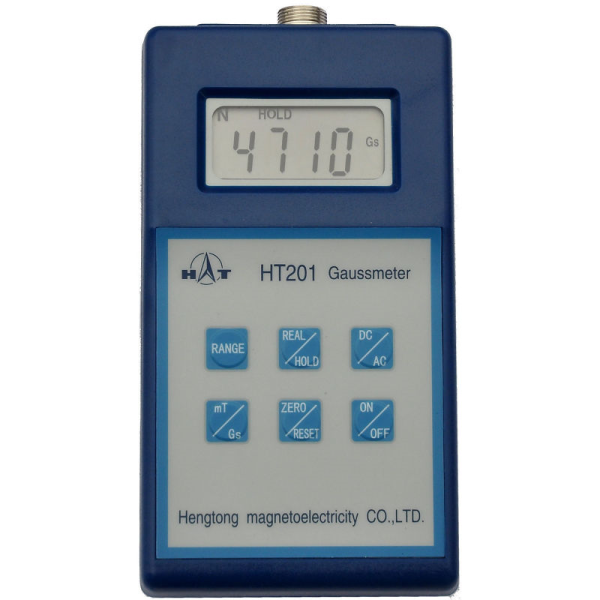
What is Gauss? Gauss is a unit of measurement that is used to describe the strength of a magnetic field. It is the CGS unit; the SI unit is the tesla (1 tesla = 10,000 gauss). Gauss is named after Carl Friedrich Gauss, a German physicist and mathematician who developed a way to measure the strength of a magnet in...


Page
- Page Previous
- Page 1
- Page 2
- Page 3
- You're currently reading page 4