
uses of magnets
-
Custom Magnets: Possibilities from Apex Magnets
 When your company’s needs, goals, and processes are completely unique, standard magnets aren’t always the right choice. Each company faces distinct challenges that require custom solutions. For that reason, Apex Magnets will work with you to determine the most suitable option for your application while offering customized products for your specific situation. Continue reading →
-
Magnets Could Be the Key to Stopping Fishermen’s Shark Problem
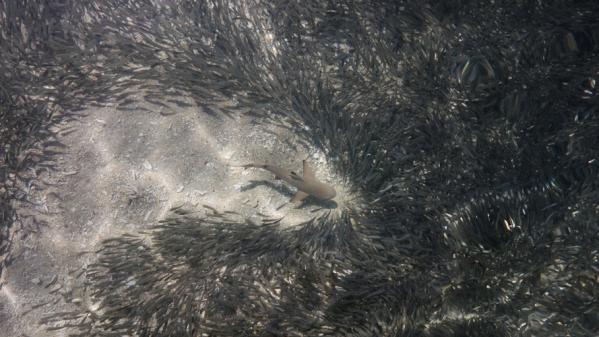 There are more than 465 species of sharks roaming the world’s oceans and most of them are considered an apex predator (Get it?) at the top of their food chains. Most shark species subsist on a diet consisting of fish, crustaceans and mollusks, while a few filter-feeding species eat plankton. This can become a problem for fishermen who sometimes find enormous sharks trapped in their nets while trying to sneak a bite of the day’s catches. While many sharks can be removed from the traps and released, the handling is stressful for the animals and it can be a really difficult process. How can commercial fishermen keep sharks from getting caught in their nets? Continue reading →
-
3D Printed Material Controlled by Magnets
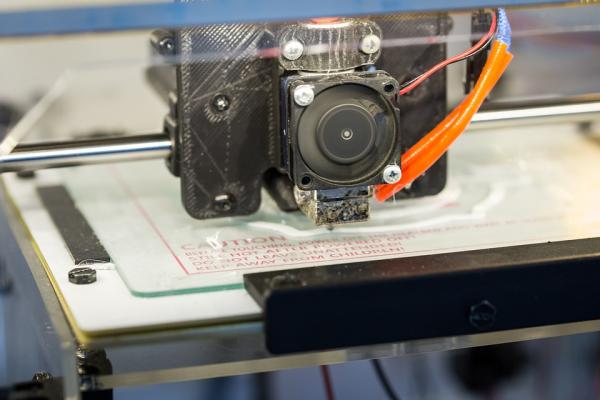 Just when you think 3D printing couldn’t get any more interesting, a team of engineers from MIT’s Department of Mechanical Engineering and Department of Civil and Environmental Engineering joined forces with New Jersey Institute of Technology to create 3D-printed structures that can be manipulated by magnets to move and shift shapes. Continue reading →
-
From Bars to Spheres: Which Magnet Shape is Best For Your Application?
 Magnets come in a wide variety of shapes and sizes – Apex alone offers about 670 different sizes and shapes – and each geometric variant has unique benefits. With so many options, it might feel overwhelming to choose. That’s why we created this short guide to help you narrow down your choices. Let’s run through the pros and cons of each common shape: bar, cube, cylinder, disc, block, and sphere. For a more recent look at neodymium shapes, see our guide to choosing the right neodymium magnet shape and style. Continue reading →
-
Using Magnets To Find Nails In Wood
 If you’re using reclaimed wood in a home renovation project or in the process of repairing your already existing wood floors, there’s a chance you’ll come across a surprise (and unwelcomed) nail stuck in the wood. When working with power tools, running into a nail may result in damage to your tools or, even worse, an injury. There’s a way to check for nails in the wood prior to doing any cutting, however: rare earth magnets. Continue reading →
-
Magnets in the Military: From the Sky to the Ground
 China is the world’s biggest producer of rare earth magnets, though U.S. law prohibits the military from acquiring neodymium-iron-boron and samarium-cobalt magnets produced in China. Historically, the U.S. has spent enormous sums in order to remain the world leader in military technology and ensure a strong presence on the global stage. Continue reading →
-
Magnets in Video Tape: Turning Iron Particles into Visuals
In the 1970s, VHS waged a videotape formatting war with the now defunct Betamax, much like the competition between DVD and Blu-Ray in the mid-2000s. VHS may have won out in the end thanks to its affordability, but the format has since been pushed to the limits with today’s streaming, digital, and Blu-Ray technology. Still, VHS technology isn’t completely obsolete –– or, at least, not yet. It’s true the last manufacturer of VCRs ceased production in 2016 after the industry sold about 750,000 units the year before. As for blank VHS tapes, availability in stores is now limited and varies by retailer. While the ever-rolling train of technological revolution leads us to abandon certain products in favor of “the next best thing,” we can’t help but mourn the decline of VHS since these tapes really go the distance when it comes to creatively harnessing the power of magnetism. Continue reading → -
Magnetic Concrete Could Enable Electric Cars to Drive Indefinitely
As early as the 19th century, electric cars were primed to take over the automotive industry and change the face of travel forever, specifically when it came to speed. In fact, an electric car held the land speed record until the early 20th century. However, for the rest of the 1900s, the popularity of electric cars waned, stagnating the progress of electric vehicle technology. In the past two decades, the industry has begun to make a resurgence, but it still has major drawbacks. Similarly to their gas-powered counterparts having to stop and refuel, electric cars have to stop and recharge. Wouldn’t it be great if electric cars were like the latest cell phones though? You could park them on any surface, and they would charge wirelessly –– no cables, no outlets. This is a concept German startup Magment is developing and testing in pilot projects. Magment’s product, also called “magment,” is designed to allow for dynamic charging so that electric cars can recharge while in motion. If roads were widely equipped with this technology, long trips could in theory need far fewer charging stops. Continue reading → -
Magnetic Refrigeration is Pretty Cool!
We’ve been telling you magnets are cool for years now, but could magnets soon be replacing our refrigerator technology? With new findings from the researchers at the U.S. Department of Energy’s Ames Laboratory, magnetic refrigeration could be on the horizon. Continue reading → -
Magnets Keep Our Food Safe, But What Are the Best Practices?
When there’s an E. coli outbreak, we all hear about it. A less common—but still serious—concern is the potential for foreign metal particles to slip into our food. These particles could come from anywhere along the supply chain, including the machinery used to process food and wire meshes used to filter ingredients. If you’ve never heard of something like that happening, it’s likely because these are usually one-off events. Unlike a bacterial strain that can infect an entire production line, a stray piece of metal will typically impact only one package of food. Continue reading →


