
uses of magnets
-
Four Magnetic Hacks Every Mom Should Know
 Let’s face it—kids can be messy, disorganized, and curious, sometimes which can lead to lost belongings, toys strewn everywhere, and even unforeseen messes you weren’t prepared for. Luckily, for many minor inconveniences around the house, there’s a magnet to help. Read on for four magnetic hacks every mom should know! Continue reading →
-
Children’s Puzzle Magnet Hack
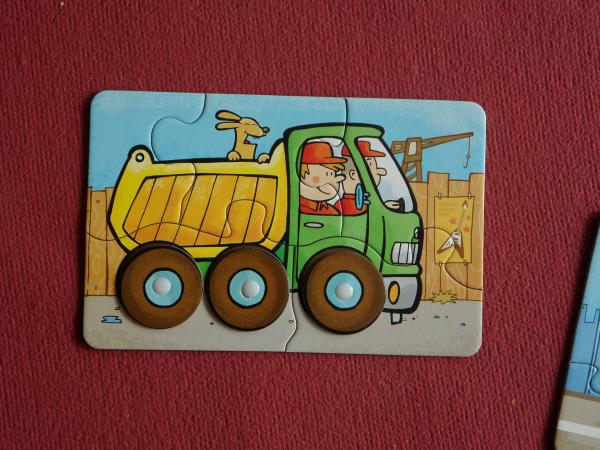 We know puzzles can be beneficial to our children, but every parent also understands how children’s toys often become a headache when it comes to broken parts and lost pieces. Our solution? Keep the puzzle on the fridge or any magnetic surface and say goodbye to lost puzzle pieces with this simple magnet craft hack! Continue reading →
-
Removing Microplastics Using Magnets
 Using magnets to clean up the ocean isn’t new -—- we’ve even talked about magnets being used in cleaning up oil spills in the oceans before. The future of microplastic disposal in wastewater treatment facilities may be getting cleaned up thanks to one teenager’s science fair project. Irish student Fionn Ferreira recently won Google’s 2019 science fair with his inventive means to extract microplastics from water. Continue reading →
-
Three Ways to Save Money Around the House with Magnets
 If you’ve read any of our previous blogs on simple magnet hacks and DIY crafts, you know that magnets are a great way to keep your home organized, safe, and efficient, but we’ve also found that magnets can help you save money around the house! These easy and affordable projects may help cut down on drafts and routine maintenance around the house. Read on for three ways to use magnets to help save you money! Continue reading →
-
Explaining Magnet Usage in the Netflix Original Stranger Things
 Spoilers ahead if you haven’t finished watching Season 3 of Stranger Things! When a television show makes science references, they can either go over our heads or have us thinking “is that really true?” We wrote a previous article about magnetic properties being discussed in the show: when the characters noticed things were going wrong, something “strange” was happening with their compass -- the needle was no longer pointing to magnetic North (which is where it should point). In this particular episode, they did an experiment and found that all of the compasses were deviating from pointing north, showing a very strong magnetic interference going on. We decided, for the most part, this event could be “real.” Continue reading →
-
How Magnets are Changing Mountain Bike Chainrings
 There seems to be an increased trend of companies incorporating magnets into bike and bike accessory designs --the latest trend includes magnetic platform pedals. The goals of these innovations are to not only improve rider safety but to also improve their performance. One issue that many mountain bikers face is chain drop, although it’s not as common as it used to be since the invention of narrow-wide chainrings. MagSuck, a company based in China, came up with an attractive solution for chain drop—magnetic bike chainrings. Continue reading →
-
DIY Paint Stick Fridge Magnet
We’re all familiar with paint stirrers (or paint sticks). Chances are you have a few of them tucked away somewhere. Maybe you’re in the middle of a renovation or you just haven’t thrown them out from years ago because you never know when you might need them again -- whatever the reason, you have these sticks laying around. We’re giving you a super simple DIY project to repurpose them and bring a little personality and flair to your home. Continue reading → -
The Magnetism Behind Stationary Exercise Bikes
Whether you’re an avid cyclist or new to the game, you’re likely familiar with a few popular stationary exercise bikes: Peloton, Schwinn, Echelon Fit, and NordicTrack, which all offer models that use magnetic resistance. There are other types of exercise bikes, including brake-based, direct contact, and fan-based systems, but magnetic resistance is one of the most common types of stationary exercise bike. So, what makes magnetic resistance so popular? Read on to learn more. Continue reading → -
Magnets in Proximity Sensing Applications
Without proximity sensors, the details of our day-to-day lives would change. For example, cell phones wouldn’t be as user-friendly, manufacturing would be less streamlined, and food and beverage production would be harder to automate and monitor. Smart technology and profitable manufacturing rely on accurate measurement, tracking, and monitoring; proximity sensors provide that. The Many Types of Proximity Sensors Proximity sensors... -
How Magnets are Used in Electronics
The cellphone in your pocket, the tablet on your bedside table, the radio in your office, and the computer you’re currently reading this post on—what do all three of these have in common? We use these devices and many others on a daily basis, but rarely do we think about what they’re made of and how they work. If it...