admin
-
Three Ways To Use Industrial Magnets On Cruise Ships
 In a recent blog post, we shared three magnetic hacks to upgrade your cabin, such as using hook magnets to hang items or clip magnets to organize your stateroom. Similar to these hacks, there are many cruise ship hacks on an industrial level. Because magnets can have a strong pull force, are durable, and (when properly coated) resist weather and corrosion, they are well suited to many uses on cruise ships. This is largely because many ship structures, such as steel hulls and bulkheads, are magnetic, though many cabin walls are not. Continue reading →
-
Robo-arms, Harpoons, and Revolving Magnets: The Race to Clean up Space Junk
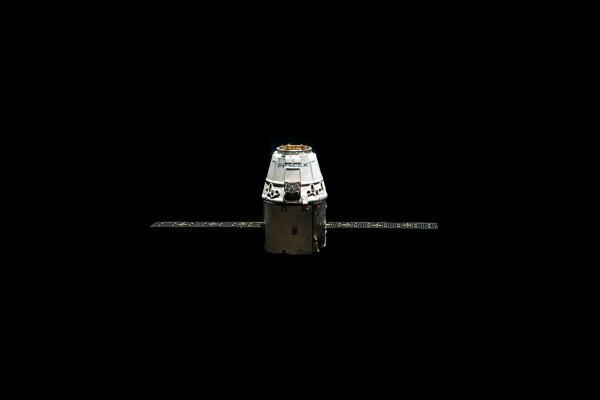
 It’s sad but true—these days, we even have litter in space. That’s right, there’s been a rise in space junk that directly coincides with the number of private companies that are now capable of putting satellites in orbit. The US space agency says there are more than 100 million pieces of space junk and debris smaller than 1 centimeter currently in orbit. Aside from being a somewhat shameful introduction to the final frontier, space junk also presents a series of perils to astronauts and even us back on Earth. Continue reading →
-
Magnetic Locks: How they Work and Their Uses
 More and more, we are seeing properties gravitate to the use of electromagnetic locks in their buildings. With their ease of installation, security, and fast building access, it’s no question why these types of locks are becoming a popular option. Continue reading →
-
How to Make Magnetic Dish Towels
 When you’re in the kitchen making dinner or cleaning up, do you ever find yourself struggling to remember where you put the dish towel? You turn right, you turn left, you make a full circle, and only then do you finally find it all the way down the counter. By sewing a magnet into your dish towels, you give yourself the option to stick it in the most convenient places — the fridge or the dishwasher. Continue reading →
-
Magnets and Chicken Nuggets — The Crossover You Never Knew You Needed
 Magnets and chicken nuggets — What could be more well-loved? But do you know the connection? Magnets have long been critical in the food industry, helping with sorting and separating any metal scrap away from product, but they’re also involved in research and testing related to food quality and consistency. We’re not just talking about any food, but chicken nuggets specifically. Continue reading →
-
Make Your Own DIY Magnetic Ball
 In America today, nearly 44% (AVMA, 2026) of households own at least one dog. If your home isn’t complete without man’s best friend, you understand that not only will dog parents do anything for their dog, but they’ll spend almost any amount of money to do so. Whether you’re training an 8-week-old bundle of fluff with endless energy or teaching your old dog a new trick, magnetic dog balls are the perfect, cost-effective toy to train without the hassle. Continue reading →
-
Solving Earth’s Space Debris Crisis With Magnets
Similar to waste management concerns here on earth is the space debris crisis currently happening above our atmosphere. Traveling at speeds in excess of 17,500 mph, NASA reports more than 25,000 pieces of space debris larger than 10 cm (about 4 inches) currently orbiting earth. These and other smaller pieces of space debris are direct threats to satellite and spacecraft operations, given the intense speed they are traveling. Continue reading → -
Make Your Own Magnetic Fishing Game
With summer only halfway over and the boredom starting to set in, you’re likely desperate to find activities that don’t involve the latest video game or tv series. If that’s you right now, we have a fun and easy DIY magnetic fishing game your kids are going to love made with supplies you can find around your house. And depending on the size of your family, this activity is easily customizable for large or small crowds! Continue reading → -
The Impacts of Solar Explosions On Earth’s Magnetic Field
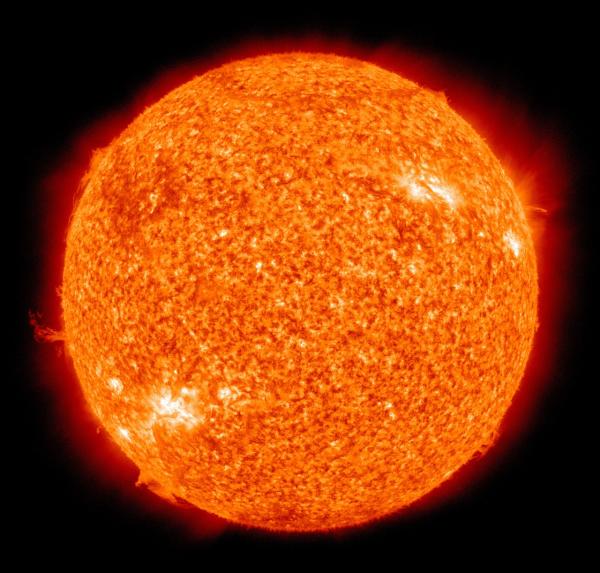
Otherwise known as CMEs, coronal mass ejections are a solar phenomenon where the sun’s outer layer (the corona), expels a large amount of plasma and magnetic field into outer space. CMEs occur when the sun’s constant stream of plasma churns and twists around itself, leading to the formation of magnetic knots. As these magnetic knots develop, they build up massive amounts of energy, forcing them to break off and hurl into space, potentially toward earth. So, why don’t we typically notice such an event? If you remember back to our blog discussing the magnetic fields of our solar system, earth’s magnetic field protects our planet from harmful particles, similar to the concept of how an umbrella protects its user from rain. Earth’s magnetic field deflects the blast of CMEs and other solar events, funneling the charged particles toward the North and South poles, which leads to brilliant aurora light displays. Continue reading → -
Recycling & the Importance of Separating Ferrous from Nonferrous Metals
If you have kids, then you’ve probably seen Toy Story 3. In a fun twist, it actually includes a little bit of magnet education. Near the end, the toys are trapped on a conveyor belt in a scrapyard. They escape the shredder by hanging onto bits of ferrous metal and getting pulled up and out by the magnetic separator. While there are certainly some finer points they glossed over, it’s a fun way to introduce kids to how magnets are used in the recycling industry. Continue reading →