With only a few weeks left in the school year, many families are already planning unique and creative ways to keep their children interested in learning all summer long. Rather than purchase expensive science experiment kits or search out museum after museum to pique their interest, test out this inexpensive and fun science experiment that will have your kids coming back for more! So next time you see a rainy day in the forecast, never fear, Apex Magnets is here!
*Adult supervision is required for this experiment. Continue reading →
From die-hard beachgoers to playing in your very own backyard sandbox, check out this fun magnetic sand experiment to keep the learning going for your kids all summer long! With a few everyday items you can find around your home, get the entire family together to witness the magic interaction of magnets and sand. And remember to grab a notebook to record any observations you make in your very own science journal. Continue reading →
Whether you want your kids to learn more about magnetic concepts or just have something to keep their brains active on snow days, this fun experiment is the perfect activity. It is one of the numerous projects you can complete by creating a magnetic pyramid, meaning there is even more fun to be had in our upcoming blogs. For now, let’s look at how you can set up and conduct this experiment. Continue reading →
This week, we are continuing to look at magnetic science experiments that you can use at home or in the classroom. During this project, thanks to magnetism, a ferrous object will “jump” toward your magnet. You can explain what a magnetic field is and spark your child’s interest in science as they watch the objects zip toward the magnet. Let’s take a detailed look at how you can perform your research. Continue reading →
School may be back in session but that doesn’t mean the learning has to stop when the bell rings. Our latest DIY project is a fun way for your child’s mind to stay engaged once they get home while also helping them grasp the basics of magnetic attraction. Continue reading →
Whether you are picking something up at the grocery store or buying a midday snack from the vending machine at work, you likely grab cash from your wallet almost every day. What you might not know about dollar bills is that they contain iron oxide, a magnetic ink. This is used in order to cut down on counterfeiting efforts. Today, we are looking at a simple experiment you can do in order to see a dollar’s magnetism for yourself. Continue reading →
Beat the out-of-school boredom with a summer science project using magnets that will keep your kids occupied while promoting valuable learning opportunities. When you think of common uses for magnets, what comes to mind? Many immediately gravitate towards the photo magnets hanging on their fridge, jewelry clasps, cabinet doors, etc. Magnets, however, offer a nearly unlimited variety of applications, both fun and functional. Continue reading →
Today we’re serving up the final project in our science fair series — it’s all about magnets and viscosity. Viscosity is the thickness of a liquid and its resistance to flowing. It relates to the size and shape of the particles that make up the liquid and that attraction between them. Low viscosity liquids flow quickly, and high viscosity liquids flow slowly.
Viscosity can also impact an object’s magnetism, so in this project, we’re looking at how different liquids impact magnets. It’s perfect for an age range from Kindergarten to 6th grade. As always, here’s your friendly reminder to always handle magnets with care. Refer to our safety tips for more information. Continue reading →
Welcome to part two of our science fair series — Today, we’re walking you through the magnetic breakfast project, where we’ll measure the amount of iron found in different cereals.
Our bodies need iron; it’s an essential mineral used to make hemoglobin, which carries oxygen from the lungs to the rest of the body. An iron deficiency will lead to low energy, shortness of breath, dizziness, weight loss, and low mood. If the deficiency continues, we could develop iron deficiency anemia. Fortunately, most of us are able to get enough iron from the foods we eat. Continue reading →
Has your kid been brainstorming ideas for their next science fair or school project? If you want to help them get a little more creative than a paper mache volcano (no judgment; we love a good volcano as much as the next person!), then consider suggesting a magnet implementation for the next project.
Not only do magnets make for fun and exciting scientific displays, but they’re also extremely applicable to day-to-day life. It’s a great way for kids to learn and present all the ways that magnets are used in practical and important ways.
This is part one of a three-part series in which we’ll share specific ideas for magnetic science fair projects, including a list of materials and a step-by-step guide.
Remember, always handle magnets with care. Refer to our safety tips for more information. Continue reading →

 With only a few weeks left in the school year, many families are already planning unique and creative ways to keep their children interested in learning all summer long. Rather than purchase expensive science experiment kits or search out museum after museum to pique their interest, test out this inexpensive and fun science experiment that will have your kids coming back for more! So next time you see a rainy day in the forecast, never fear, Apex Magnets is here! *Adult supervision is required for this experiment. Continue reading →
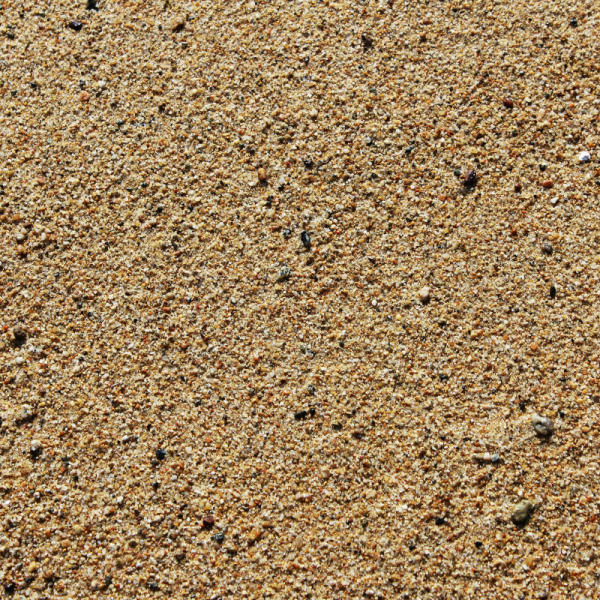 From die-hard beachgoers to playing in your very own backyard sandbox, check out this fun magnetic sand experiment to keep the learning going for your kids all summer long! With a few everyday items you can find around your home, get the entire family together to witness the magic interaction of magnets and sand. And remember to grab a notebook to record any observations you make in your very own science journal. Continue reading →
 Whether you want your kids to learn more about magnetic concepts or just have something to keep their brains active on snow days, this fun experiment is the perfect activity. It is one of the numerous projects you can complete by creating a magnetic pyramid, meaning there is even more fun to be had in our upcoming blogs. For now, let’s look at how you can set up and conduct this experiment. Continue reading →
 This week, we are continuing to look at magnetic science experiments that you can use at home or in the classroom. During this project, thanks to magnetism, a ferrous object will “jump” toward your magnet. You can explain what a magnetic field is and spark your child’s interest in science as they watch the objects zip toward the magnet. Let’s take a detailed look at how you can perform your research. Continue reading →
 School may be back in session but that doesn’t mean the learning has to stop when the bell rings. Our latest DIY project is a fun way for your child’s mind to stay engaged once they get home while also helping them grasp the basics of magnetic attraction. Continue reading →
 Whether you are picking something up at the grocery store or buying a midday snack from the vending machine at work, you likely grab cash from your wallet almost every day. What you might not know about dollar bills is that they contain iron oxide, a magnetic ink. This is used in order to cut down on counterfeiting efforts. Today, we are looking at a simple experiment you can do in order to see a dollar’s magnetism for yourself. Continue reading →