You’ve probably seen the infomercials for induction cookware with someone holding a pan that’s been cut in half for the demonstration. The advertiser stands there cooking bacon on the half-pan while holding their unprotected hand on the surface right next to it. If they were using a conventional stove, they would definitely burn their hand. So, how is this possible? Usually, we cook food using thermal conduction, which uses heat generated from a flame or electricity depending on what type of stove you have. Induction cooking, however, uses magnetism for faster and more energy efficient results. Continue reading →
Tie clips are extremely useful on windy days or while you’re eating soup. They also make thoughtful gifts for the well-dressed man who already has everything. But if you don’t want a boring bar shaped tie clip, you can turn almost anything you want into a tie clip using magnets. Here’s a simple DIY on how to make a magnetic tie clip. Continue reading →
Magnets are extremely useful tools to keep on hand because they can help make annoying tasks simple and quick. Whether you’re cleaning, organizing, or just pinning a reminder on the refrigerator, magnets have an incredible variety of uses. Here are a few household problems you can solve with magnets. Continue reading →
While we use magnets for countless different things every day, people are still coming up with new, innovative ways to harness the power of magnetism for their own purposes. Depending on the situation people use magnets for any number of things from fixing problems and creating DIY magnet crafts to making scientific discoveries in laboratories and in space. Here are a few things we can use magnets for that you would never guess. Continue reading →
Galaxies have naturally occurring magnetic fields like Earth. But the magnetic field of a galaxy is usually weak in comparison. For example, the Milky Way galaxy has a magnetic field that is 100,000 times weaker than Earth’s magnetic field. A galaxy can have two different types of magnetic field structures. One type is a large-scale imitation of the overall structure of the galaxy. And the other is small-scale and random. These patterns prevent a compass from working as effectively in space as it does on Earth. If you’re lost in the interstellar space of a galaxy, you would need several measurements of magnetism to help determine your location. Even then, however, you’d need to understand the overall structure of the galaxy to interpret your data. Continue reading →
Everyone needs a bottle opener at some point, especially beer drinkers. And you don’t want to carry a free bottle opener keychain from a bar with the logo of a beer you don’t even like. With this DIY magnet project, you can show off your woodworking skills and open bottles with class. If you don’t have woodworking skills, don’t worry - this magnetic bottle opener is simple, fun, and convenient! Continue reading →
Instead of building a secret room you can open by pulling down a lever disguised as a book or purchasing an expensive safe to hide behind a painting, you can create a secret hiding place using things you can find around the house or at a thrift store. A DIY magnetic book box is easy to make and will fit in with the rest of the books on your shelf so no one can tell it’s hollow. Here are the 5 easy steps you can follow to make a magnetic book box: Continue reading →
Plasma is the fourth state of matter after solid, liquid, and gas. Essentially, plasma is a gas that’s so hot the atoms are separated into electrons and ions. Because the parts of the atoms can move independently of each other, plasma is electrically conductive and responds to electromagnetic fields and forces. As a result of its magnetization, plasma interacts with the magnetic fields of space in interesting ways. For example, the process of magnetic reconnection explains changes in how the magnetic field lines of plasma are connected and arranged. Continue reading →
Keeping track of pencils, pens, and paperclips is difficult if they’re jostling around in your backpack or purse. If you don’t think behind your ear is the best place to store a pencil, here is a fun DIY for a cute magnetic pencil case. Continue reading →
Leaving the door open and keeping the bugs out is easily solved with screen doors. But what if you have pets? Overexcited dogs can race through screen doors without waiting for someone to open them first and tear through the mesh. Instead of getting your screen door constantly replaced, use magnets to secure the screen down the center. When a dog runs through the screen, the magnets will pull apart long enough for them to pass and then reattach, securing the screen back together with no damage. Here’s how to make one: Continue reading →

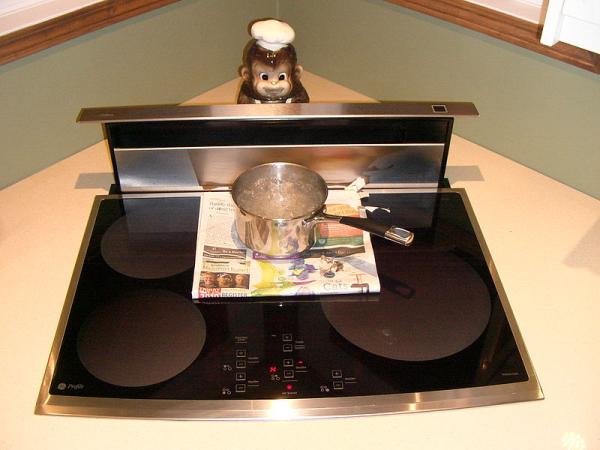 You’ve probably seen the infomercials for induction cookware with someone holding a pan that’s been cut in half for the demonstration. The advertiser stands there cooking bacon on the half-pan while holding their unprotected hand on the surface right next to it. If they were using a conventional stove, they would definitely burn their hand. So, how is this possible? Usually, we cook food using thermal conduction, which uses heat generated from a flame or electricity depending on what type of stove you have. Induction cooking, however, uses magnetism for faster and more energy efficient results. Continue reading →
 Tie clips are extremely useful on windy days or while you’re eating soup. They also make thoughtful gifts for the well-dressed man who already has everything. But if you don’t want a boring bar shaped tie clip, you can turn almost anything you want into a tie clip using magnets. Here’s a simple DIY on how to make a magnetic tie clip. Continue reading →
 Magnets are extremely useful tools to keep on hand because they can help make annoying tasks simple and quick. Whether you’re cleaning, organizing, or just pinning a reminder on the refrigerator, magnets have an incredible variety of uses. Here are a few household problems you can solve with magnets. Continue reading →
 While we use magnets for countless different things every day, people are still coming up with new, innovative ways to harness the power of magnetism for their own purposes. Depending on the situation people use magnets for any number of things from fixing problems and creating DIY magnet crafts to making scientific discoveries in laboratories and in space. Here are a few things we can use magnets for that you would never guess. Continue reading →
 Galaxies have naturally occurring magnetic fields like Earth. But the magnetic field of a galaxy is usually weak in comparison. For example, the Milky Way galaxy has a magnetic field that is 100,000 times weaker than Earth’s magnetic field. A galaxy can have two different types of magnetic field structures. One type is a large-scale imitation of the overall structure of the galaxy. And the other is small-scale and random. These patterns prevent a compass from working as effectively in space as it does on Earth. If you’re lost in the interstellar space of a galaxy, you would need several measurements of magnetism to help determine your location. Even then, however, you’d need to understand the overall structure of the galaxy to interpret your data. Continue reading →
 Everyone needs a bottle opener at some point, especially beer drinkers. And you don’t want to carry a free bottle opener keychain from a bar with the logo of a beer you don’t even like. With this DIY magnet project, you can show off your woodworking skills and open bottles with class. If you don’t have woodworking skills, don’t worry - this magnetic bottle opener is simple, fun, and convenient! Continue reading →


