Apex Magnets Blog
-
The Magnetic Field of the Sun
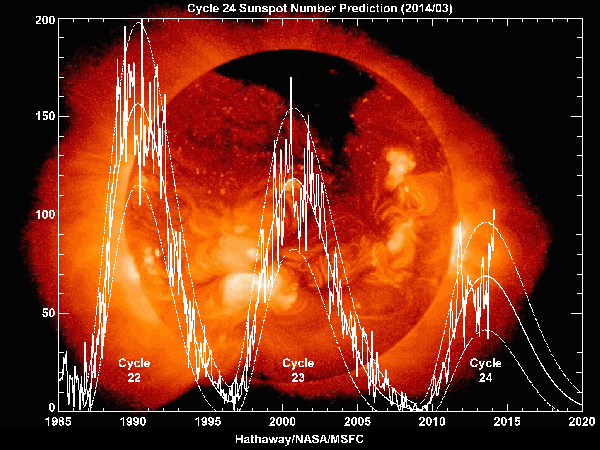 The magnetic field of the sun plays a huge role in our galaxy. The sun’s surface is more than 12,000 times larger than Earth’s, and its magnetic field extends even beyond Pluto. It has two poles like a bar magnet, and like most stars, the convection of plasma generates its magnetic field. Compared to the magnetic fields of the other planets in our solar system, however, the sun’s magnetic activity is more extensive including solar flares, sunspots, space weather, and pole reversal. Continue reading →
-
Can You Recycle Rare Earth Magnets?
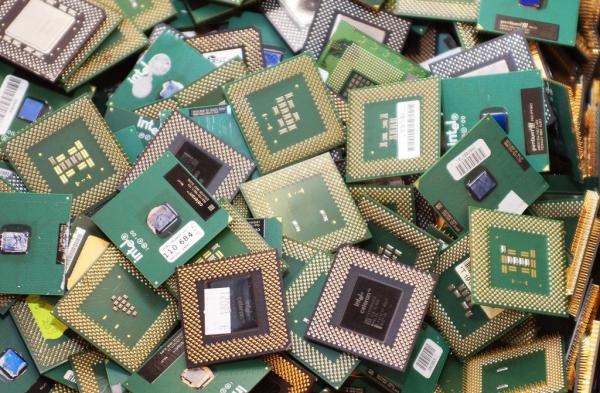 How many electronic devices do you use on a daily basis? With headphones, cell phones, hard drives, and electric motors the answer might be countless. You’ve also probably replaced and upgraded your devices innumerable times. As you burn through all of that technology, consider the parts of the devices. Rare Earth magnets are key ingredients in many electronic devices. These small, powerful magnets are named for the rare Earth elements they contain. The name is historical: these elements are not especially scarce in Earth’s crust, but economically workable deposits are limited. Because these elements are difficult to find in mass naturally and are also in high demand, many companies tried to develop efficient methods for recycling the elements from used products. Continue reading →
-
5 Ways To Reuse Old Magnets
 Over the years, you have probably accumulated several refrigerator magnets that are unwanted or no longer relevant. Magnets from businesses like doctors and pizza shops or the souvenirs and wedding invites from your friends are cluttering your precious fridge space. As you reevaluate what constitutes a refrigerator-worthy magnetic memory, consider repurposing your old magnets instead of throwing them away. Here are a five ways you can reuse unwanted magnets: Continue reading →
-
DIY Magnet Crafts For Independence Day
 It’s almost the 4th of July! As you prepare for the holiday weekend, here are some helpful DIY magnet crafts you can use to make your life easier. Continue reading →
-
3 Uses For Electromagnetic Pulses
 Electromagnetic pulses (EMPs) occur when a rapidly accelerating electric current generates a magnetic field and causes a burst of electromagnetic energy. Commonly caused by lightning strikes, EMPs can cause power outages and can even damage electronics by short-circuiting them. While we have ways of protecting ourselves against EMPs caused by lightning, can we use EMPs for our own purposes? Continue reading →
-
Are Lightning Strikes Magnetic?
 Lightning isn’t drawn to metal by magnetism. Tall, pointed objects are the most likely to be struck, and metal simply carries the current well. Lightning is magnetic in its own right, though: electrical currents cause magnetic fields to form around them. Lightning strikes are rapidly moving electric currents and the movement of electric charges produces a magnetic field. This is called electromagnetism. The electromagnetic properties of lightning are apparent in several ways. The two most apparent magnetic properties of lightning, however, are remanent magnetization and electromagnetic pulses. Continue reading →
-
What Is Paleomagnetism?
Scientists can study the history of Earth’s magnetic field by using Earth’s rocks as records. Paleomagnetism is the study of magnetic rocks and sediments to record the history of the magnetic field. Some rocks and materials contain minerals that respond to the magnetic field. So, when rocks form, the minerals align with the magnetic field preserving its position. The magnetization a rock acquires as it forms is called remanent magnetism, and rock magnetism is the field that studies it. The magnetic signature of the rocks allows paleomagnetists to date the rocks and map the position of the field at the time of their formation. Continue reading → -
What Is A Geomagnetic Storm?
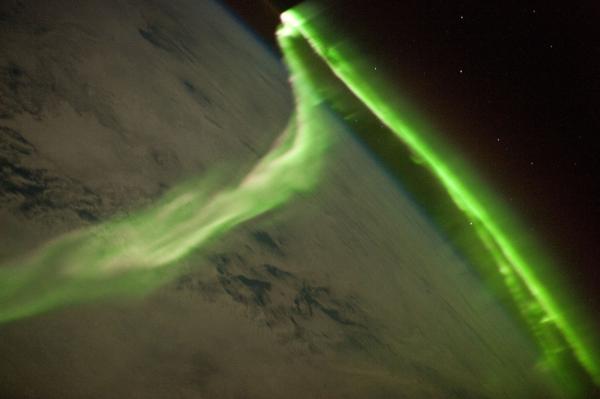
In June 2015, a geomagnetic storm caused some unusual aurora sightings on Earth. The storm is a result of solar eruptions strong enough to disturb Earth’s magnetosphere. The magnetosphere usually protects us from solarwinds so what made this disturbance different? Continue reading → -
How To Make A Magnetometer
Magnetometers are used to measure the direction of a magnetic field or the magnetization of a magnetic material. They can also be used to measure geomagnetic storms. So, if you missed the aurora during a past geomagnetic storm, you can watch for the next one with your own DIY magnetometer (check NOAA's aurora dashboard for current forecasts). Continue reading → -
Can Magnets Protect Against Cosmic Radiation?
Many people claim the first person to walk on the surface of Mars has already been born. But there are still several things to consider before we send an astronaut to Mars. The reality of prolonged space travel includes various dangers and challenges we have to overcome, not the least of which is cosmic radiation. Continue reading →