Search results for 'nasa'
-
Solving Earth’s Space Debris Crisis With Magnets
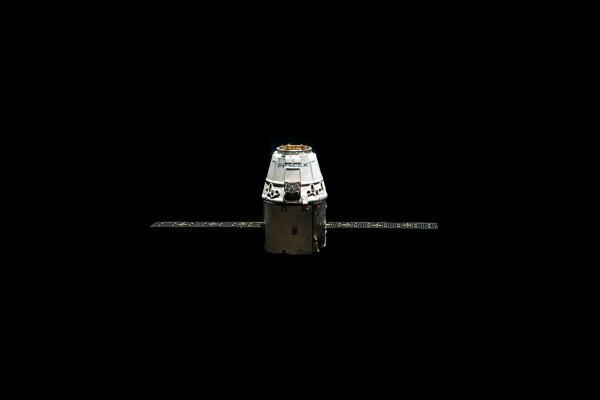 Similar to waste management concerns here on earth is the space debris crisis currently happening above our atmosphere. Traveling at speeds in excess of 17,500 mph, NASA reports more than 25,000 pieces of space debris larger than 10 cm (about 4 inches) currently orbiting earth. These and other smaller pieces of space debris are direct threats to satellite and spacecraft operations, given the intense speed they are traveling. Continue reading →
-
YouTube Channels to Follow
 If you keep up with our blog, you probably know there are many industrial magnetic applications. In addition to staying up-to-date on Apex blog posts, YouTube is a great resource to learn about all things magnetic. We’ve compiled a list of some of our favorite YouTube channels — these channels cover engineering, science, technology and industry news that can be useful background for your business. Some occasionally touch on magnets and magnet-driven technologies, though most cover broader topics. They also feature a variety of industries, including engineering, space, technology, and aviation. Continue reading →
-
LinkedIn Accounts to Follow for Magnet Information
 If you’re an avid reader of our blog, you know there are so many ways that magnets can help your business! If you or your business are interested in learning even more about magnetic industrial applications, increasing workplace efficiency, or staying up-to-date on the latest magnet news, LinkedIn is a great place to connect and share ideas with others. We’ve compiled a list of accounts to follow within a wide range of industries including medicine, electronics, science, engineering, and more. These accounts cover a range of topics, such as industry news, market trends, engineering applications and scientific discoveries, and some may touch on magnets. Read on to find out which accounts you should add to your personal or business LinkedIn network. Continue reading →
-
Your Smartphone as a Space Weather Vane
 Smartphones can seemingly do everything these days — calling and texting, streaming movies and live TV, not to mention the photography that today’s smartphones can produce — but what if we told you that you have the power to sense the weather in space from the device in your pocket? According to some NASA research, your smartphone may be able to detect space weather, more specifically, you may be able to know firsthand when there’s a geomagnetic storm brewing. Continue reading →
-
Two Things You May Not Know About Earth’s Magnetic Field
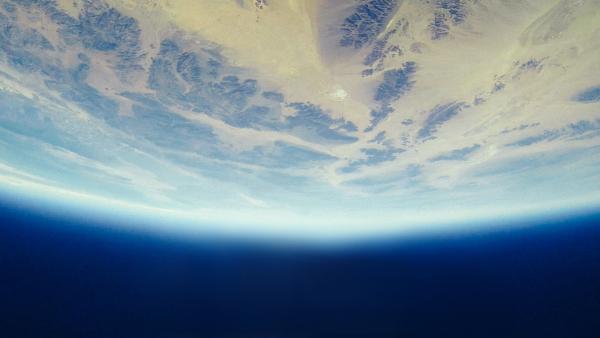 If you didn’t know already, the Earth is a giant magnet. Its magnetic field is generated by the movement of molten iron alloy in its outer core, which surrounds a solid inner core. This magnetic field acts like a protective shield around the planet, trapping and repelling charged particles from the Sun. There’s a lot to learn about Earth’s magnetic field, with new discoveries being made almost yearly! In this blog post we’re covering two things — the “dent” in the magnetic field, and how the field flips. Continue reading →
-
What’s Going on In Space: Magnetism Edition
 What do a cat’s paw, a whirlpool, and a cigar have to do with each other? We’re glad you asked. Just as cloud-watching will show you figures and outlines of people, animals, and objects, outer space is no exception. In fact, a cat’s paw, a whirlpool, and a cigar are just the latest shapes of nebulas and galaxies that are currently being studied by astronomers for their magnetic fields. Read on to hear more about the latest interesting shapes that are forming in space. Continue reading →
-
2020 Magnet News Round-Up
From using magnets to help social distancing to breakthroughs in magnetic field research— 2020 was an eventful year in the world of magnetic discoveries. In order to celebrate the end of the year, let’s take a look back at some of our favorite magnetic news stories! Continue reading → -
Jellyfish Galaxies and Their Magnetic Fields
While we know that the magnetic fields in galaxies can contribute to star formation, one type of galaxy has left scientists questioning this fact. So called “jellyfish galaxies' ' fall into the center of a galaxy cluster, which get their name from their jellyfish-like tails. It’s been theorized that the rarified gas of jellyfish tails can also form stars, but research hasn’t been able to confirm this as these galaxies are difficult to study due to their low brightness. That is until now. Continue reading → -
Our Solar System’s Magnetic Bubble Resembles an Interesting Food
All of the planets in the solar system are encased in a magnetic bubble. For years, scientists tried to figure out what this bubble looked like, but it’s been hard to measure because the closest point is more than ten billion miles from Earth. By using a model developed with data from NASA missions, scientists have developed a new prediction of the shape of the bubble surrounding our solar system — and you might be just as surprised as they were to find it looks a lot like a croissant. Continue reading → -
The "Dent" in Earth's Magnetic Field
A dent is evolving within Earth’s Magnetic Field, and it has scientists watching closely. This isn’t necessarily new news though. Scientists have known about this weak spot for decades now, but it’s of importance right now due to one crucial factor-- it’s apparent growth. This weak spot phenomenon is called The South Atlantic Anomaly (SAA) and it stretches across the Atlantic Ocean from South Africa into Brazil. In this area, the magnetic field is weaker than normal, resulting in a “dent.” The Earth’s magnetic field, also known as the geomagnetic field, is important as it protects us against solar windー a flow of charged particles that are released from the outer atmosphere (corona) of the Sun. Continue reading →