magnets in science
-
3D Drawing Pen Has Magnetic Ink
 Just when we thought the magic of 3D printing technology couldn’t get any cooler there is now a 3D drawing pen that its makers say will offer magnetic ink! There are numerous tricks artists may employ to make their 2D drawings look 3D, but now with innovations in printing technologies they can actually draw in 3D form. Creopop, the makers of this fascinating technology, claim that it is also able to draw magnets in 3D. The process uses a variety of ink options including: glow-in-the-dark, glitter, elastic and our personal favorite-magnetic. Continue reading →
-
Magnet Experiments: What Happens to a Magnet in Cold Temperatures
 High powered magnets can lift heavy steel objects, and large magnets that snap together can pinch skin, break bones or shatter glass. In other words, magnets are capable of some incredible feats. However, there are a few things that can alter magnet strength. One of those is temperature. In our last blog we explored what happens to a magnet when it is exposed to extreme heat. Now, let’s do an experiment to explore what happens to a magnet when it is exposed to extreme cold. Continue reading →
-
Magnet Experiments: What Happens When a Magnet is Heated
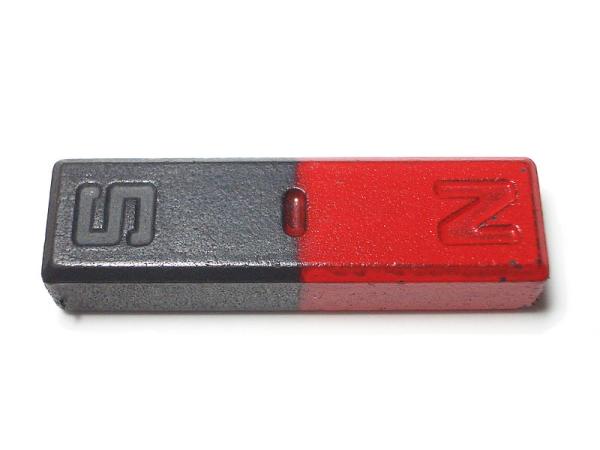 Magnets can be found in many everyday items and technologies such as cars, phones and computers. It is because of permanent magnets' ability to create their own magnetic field that they are useful in various products and situations. However, they are not impervious. Magnet strength can be affected by certain environmental changes like temperature. The effect of temperature on neodymium magnets is one of the most interesting phenomenons to observe and evaluate. In this magnet experiment, we specifically explore how magnets react when exposed to extreme heat. Continue reading →
-
What Will Happen to a Magnet in Water
 Will a neodymium magnet lose its power when dropped in water? The simple answer is no. In fact, magnets are sometimes used for underwater recovery. Boaters and fisherman may use a magnet retrieval tool to recover some lost items such as keys or magnetic fishing gear that have been dropped in the water. However, one concern is that the magnets will begin to corrode, especially if they are made of materials like neodymium. On the other hand, water has shown diamagnetic properties. Continue reading →
-
The Technology Behind the Magnetic Levitation Train
 You may have heard of Japan’s Maglev Train-also known as the fastest floating train in the world, with a test-run record of 375 miles per hour (603 km/h) set in 2015 and a planned passenger speed of about 310 miles per hour. So far, maglev trains carry passengers in only a few countries, including China and Japan (where the high-speed Chuo Shinkansen line is still under construction and has not opened), but 2014 reports suggested that the impressive floating train technology could make its way to the U.S. Continue reading →
-
Scientist Wins Millennium Technology Prize for Data Storage Magnetic Innovation
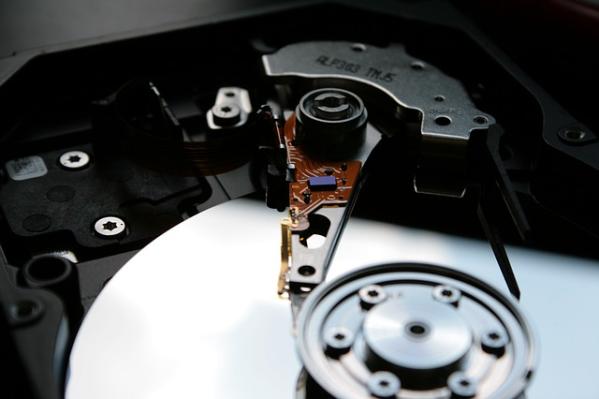
 You may not be familiar with Professor Stuart Parkin, but you are probably very familiar with the technologies and online services that he made possible with his magnetic innovations. Professor Parkin is credited with expanding the data storage capabilities of magnetic disk drives and devices and setting the foundation for many technologies we use today. Spintronics, the physics field in which Prof. Parkin is a leading innovator, uses the magnetic spin of electrons, alongside their charge, to store and process data. Continue reading →
-
Could Strong Magnets Help Create Self-Driving Cars?
One of the most common applications of rare earth magnets is in automobiles. -
Experiments Prove The Possibility Of The Magnetic Monopole
You may already know that strong magnets have two poles, north and south. -
Floating Trains On The Horizon With Magnetic Levitation
Magnetic levitation, or maglev technology, is reaching completion and might soon be available for mass production. -
Researchers Look for Ways to Deal With the Rarity of Magnets
You may not realize just how significant a role strong magnets play in modern living.