Is It Magnetic? Materials & Metals
Start here
-
How to Test Gold and Silver With Magnets
 With gold and silver prices hitting record highs, many people are selling or buying precious metals. Whether you’re a coin collector, investor, or simply cleaning out old jewelry, now is the right time to make sure your items are authentic. One of the fastest tests for authenticity is using a magnet. Why Use a Magnet to Test Gold or Silver...
-
Why Are Certain Materials Magnetic?
 Magnets are everywhere, from the fridge door to your headphones, but have you ever wondered why certain materials are magnetic while others are not? The answer lies in the structure of atoms and the behavior of their electrons. The Science Behind Magnetism Atoms are made up of protons, neutrons, and electrons. Electrons orbit the nucleus and also “spin.” These tiny...
-
Copper’s Role in Magnetism and Electromagnetic Systems
 When we think of magnets, rare earth elements like neodymium and samarium cobalt often come to mind. But there’s another metal just as critical to magnetic assemblies: copper. While copper itself isn’t magnetic, its unmatched electrical conductivity makes it indispensable for creating, stabilizing, and optimizing magnetic fields. Why Copper Matters in Magnetism Copper plays a central role in electromagnets, superconductors...
-
What Is Pyrolytic Graphite?
 At first glance, pyrolytic graphite seems magical. The perfect addition to a science-friendly home office or to a children’s physics experiment, pyrolytic graphite is known for its ability to “hover” over neodymium magnet blocks and similar magnetic material. Of course, pyrolytic graphite isn’t magic. As we’ll see in a moment, its levitating capabilities stem from its physical makeup. Table of...
-
Is Hematite Magnetic? Understanding This Curious Material
Hematite magnets are some of the most interesting magnets around. And that means something coming from us, as we’re true magnet nerds and have a wide, wide selection of magnets. Hematite magnets are often shaped into “rattlesnake eggs”—magnets that are designed to rapidly chatter against each other, resulting in a unique buzzing or clicking that sounds like a warning from... -
Magnet Myths: Magnets in Water
 From the existence of monopole magnets to their capabilities in the cold, there are plenty of magnet myths/theories. That is why we are taking a look at another popular myth regarding the power of magnets once they are placed in water. Do they really lose a considerable amount of strength? Can they retain their current capabilities? Is it possible that this change makes them stronger? Let’s find out! Continue reading →
-
Is Stainless Steel Magnetic?
 Stainless steel is an alloy made primarily of iron, chromium, nickel, and other elements, depending on the specific grade. This combination results in a corrosion-resistant material with exceptional strength and durability, making it ideal for a wide range of applications. However, this sleek-looking material faces a common misconception: that it is non-magnetic. In this exploration, we’ll delve into the magnetic intricacies of stainless steel, uncovering the science behind its nuanced magnetic and non-magnetic characteristics. Continue reading →
-
Magnets and Diamonds: What’s The Connection?
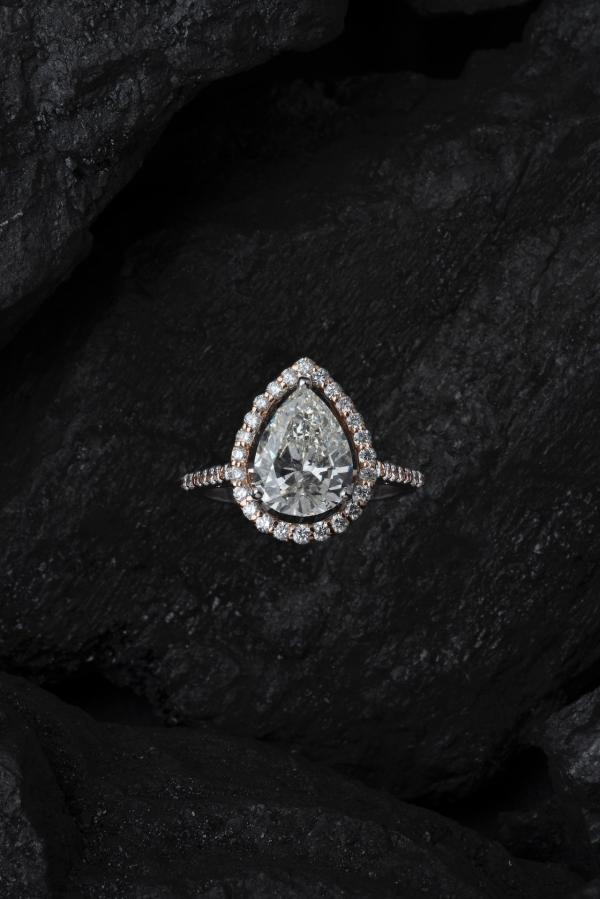
If you own a piece of diamond jewelry, you may be curious to know if it is a naturally occurring or lab-created diamond. A magnet can give you a quick, informal clue before you consult a jeweler, though it can't give a definitive answer. Naturally occurring diamonds are formed when carbon deposits found deep in the earth are subjected to extreme temperatures and pressure, while lab diamonds are created using similar concepts and a little help from scientists. The majority of all lab diamonds in the world are created using two methods: the HPHT (High-Pressure High Temperature) method or the CVD (Chemical Vapor Deposition) method. Continue reading → -
Using Magnets to Determine if Gold/Silver is Real
When you purchase a necklace, ring, or watch, you pay good money due to the high-quality material used to make it, like gold or silver. Unfortunately, there are times when these items can be deceiving to you and your wallet. Certain places take advantage of customers by making fake products that have the appearance of more expensive materials while still... -
Coin Collecting Business
If you own a business that solicits rare coins, or you plan to start one, there is one thing that you simply must know: how to tell a fake coin from a real coin. Of course, the best answer is the most simple one — buy from reliable sources. However, running a business is rarely that simple. You may get a special deal on eBay or stumble upon what appears to be a rare antique coin, and how will you know if it’s the real deal or not? The answer: Magnets! Continue reading → -
Is It Magnetic? Magnets vs. Steel
When completing a project, one of the first steps is usually deciding between attaching your magnets to another magnet or to steel. It might seem like either one could work – and in most cases, it can — but, we’ll walk you through the differences between the two attractions and some basic rules of thumb to make your experience working with these two materials as easy as possible. After all, education saves you time, money, and stress. Continue reading → -
How Saltwater Affects Magnets
Have you ever wondered what happens to a magnet when it’s used near or fully emerged in saltwater? First, you might consider what you know about the relationship between magnets and freshwater, which is considered slightly diamagnetic. This means it creates a weak oppositional magnetic field to an applied magnetic field. Continue reading → -
An Elementary Guide to Magnetic Elements
Think back to high school science class. You probably spent a good amount of time learning and deciphering the periodic table of the elements. This nifty chart displays all the 118 natural and artificial materials that serve as the building blocks for all matter in the universe. It’s at this elemental level that substances gain their magnetism. Continue reading → -
Why Are British Coins Magnetic?
If you’ve ever traveled to the UK, you may have noticed some differences in the currency. Obviously, it looks different and it’s called something else (what we call cents, the British call pence or simply “p”). But there are more contrasts at work. Many British coins are magnetic, while American coins generally aren’t. If you’re like us here at Apex, this is certainly an interesting fact. Continue reading → -
4 Items You Didn’t Know Are Magnetic
You probably know that fridges and certain metals are attracted to magnets. However, there are some surprising items that you may never have guessed are magnetic. In this blog, we are taking a look at some everyday items that can actually have magnetic properties. Continue reading → -
Is Sand Magnetic?
Saying all sand is magnetic or non-magnetic would be virtually impossible, or frankly, inaccurate. Most sand is created from a natural process called weathering, which could take anywhere from hundreds or millions of years to occur. This process is essentially when the environmental elements breakdown minerals, rocks, and chemicals together over a certain period of time. Continue reading → -
What Are Magnetic Metals?
It is common knowledge that magnets attract metals but not all metals. Some metals contain certain properties that make them more magnetic than others. One metal that is highly magnetic is iron. What are the other types of magnetic metals? Continue reading → -
What Will Happen to a Magnet in Water
Will a neodymium magnet lose its power when dropped in water? The simple answer is no. In fact, magnets are sometimes used for underwater recovery. Boaters and fisherman may use a magnet retrieval tool to recover some lost items such as keys or magnetic fishing gear that have been dropped in the water. However, one concern is that the magnets will begin to corrode, especially if they are made of materials like neodymium. On the other hand, water has shown diamagnetic properties. Continue reading → -
Is Copper Magnetic? Neodymium Magnet and Copper Tube Experiment
Cobalt, iron and nickel are all magnetic. Copper, however, is not. Still, you can do some pretty cool things with strong magnets and copper.