admin
-
DIY Magnetic Tool Holder
 If you have a lot of tools in your garage or shed you’re most likely one of three kinds of people. First, the super-organized type - at any time you could find every single tool you own. Second, the semi-organized - sure, you have a toolbox or tool holder, but do you really know where each particular screwdriver is when you need to put together your newest purchase? Lastly, the very disorganized - your tools are scattered throughout the shed or garage in no particular order whatsoever. Well, if you are one of the two latter types of people, then we have a DIY magnetic tool holder is just for you. The project is a way to organize screwdrivers or small tools using a strong magnet. Follow the steps below to create a bracket that will house a magnet, and make finding that small Phillips head easier than ever. Continue reading →
-
Simplify Holiday Decorating With Hook Magnets
 You can make decorating for the holidays easy with neodymium hook magnets from Apex Magnets! Hook magnets come in a variety of sizes capable of supporting anywhere from 12 to 200 pounds of pull force, which is more than enough for your twinkly lights and mistletoe. Here are a few ways you can use neodymium hook magnets to simplify your seasonal decorating: Continue reading →
-
How To Finally Organize Your Junk Drawer
 Everyone has a junk drawer full of miscellaneous things like buttons, spare change, loose beads, keychains, paper clips, pens, take-out menus, tape, scissors, user manuals for appliances, batteries, thumbtacks, nail clippers, and maybe a flashlight. You’re probably overwhelmed reading that list and you’re not even looking for anything yet! You’ve probably tried to organize it once or twice already to make it easier to find things when you need them. Keeping a junk drawer organized is not easy though. So, here’s how you can keep your junk drawer organized using neodymium magnets! Continue reading →
-
How To Make Cute Fall Owl Magnets
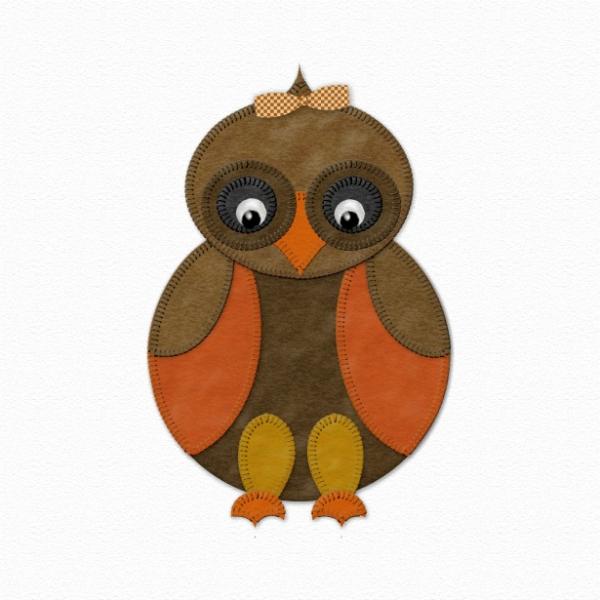 The fall season is full of amazing colors as the leaves begin to fall and the air becomes crisp. A once green landscape becomes a vibrant mosaic of browns, yellows, oranges, reds, and purples. You can bring these warm tones into your home with these cute owl magnets! Here’s how to get started: Continue reading →
-
DIY Magnetic Screen Door
 Leaving the door open and keeping the bugs out is easily solved with screen doors. But what if you have pets? Overexcited dogs can race through screen doors without waiting for someone to open them first and tear through the mesh. Instead of getting your screen door constantly replaced, use magnets to secure the screen down the center. When a dog runs through the screen, the magnets will pull apart long enough for them to pass and then reattach, securing the screen back together with no damage. Here’s how to make one: Continue reading →
-
New Type of Magnet Has Potential to Transform Electronics
 Researchers at the University of Maryland and Temple discovered a new class of swelling magnets, which are magnets that expand when they contact a magnetic field. When these cool magnets encounter a magnetic field, they not only expand. They release very little heat. Continue reading →
-
4 Things You Can Hang On The Wall With Magnets
Redecorating helps keep a room fresh and interesting. Whether it’s your office space or your living room, there are endless opportunities to change things up. The walls are a great place to start when redecorating. But if you’re renting a space or don’t have the right equipment, you probably don’t want to put holes in the wall. So, to help protect your security deposit, use magnets instead of nails or screws. From posters to organizers, here are a few ways to hang things on your wall with magnets. Continue reading → -
What Types Of Magnets Are Used In MRIs
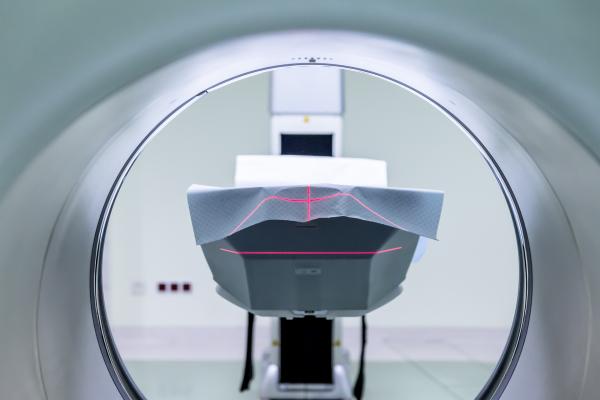
Some would argue that magnetic resonance imaging (MRI) machines have become as essential to the medical field as blood tests when it comes to diagnosing and treating patients. MRIs allow doctors to see inside the human body non-invasively. A physician named Raymond Damadian and not an engineer is credited with building one of the first full-body MRI scanners in 1977. Paul Lauterbur and Peter Mansfield shared the 2003 Nobel Prize for the imaging techniques MRI relies on. MRI is also used to guide focused ultrasound, and researchers are now testing it in early clinical trials for Alzheimer’s disease, following promising results in mouse models. It is still experimental and not an established treatment. You may already know that magnets are used in magnetic resonance imaging machines, but do you know what types of magnets are used or how it works? In this blog, we are taking a look at how the magnets in MRIs allow us to see inside the human body. Continue reading → -
What is Electromagnetic Radiation?
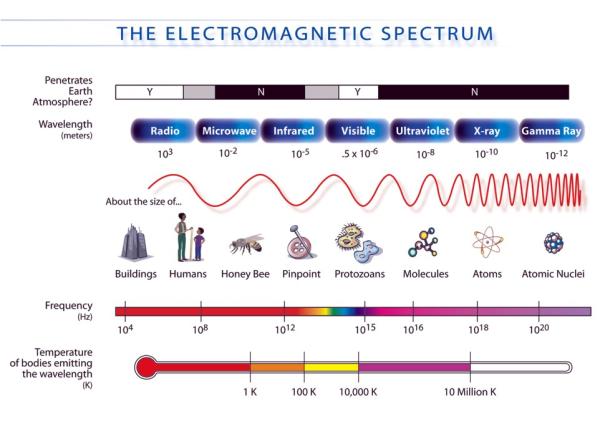
X-rays, radio waves and visible light are all examples of electromagnetic radiation (EMR). What is electromagnetic radiation? It is a form of energy that travels in the form of electromagnetic waves, which are created when electricity and magnetism come together. James Clerk Maxwell first predicted the existence of these waves in the 1860s, but it wasn’t until Heinrich Hertz built a device that produced radio waves that their existence was proven. Hertz’ experiment proved not only that electromagnetic waves existed, but that they travel at the speed of light and behave like light, reflecting, refracting and polarizing. Continue reading → -
Recreate Michael Faraday’s Magnetic Experiment
In the 1800s, a scientist named Michael Faraday made significant contributions to the study of electricity, magnetism and chemistry. One of his most influential contributions was the discovery of electromagnetic induction. Electromagnetic induction is the process of inducing a voltage, and therefore an electric current, in a conductor. It occurs when a conductor is placed in the presence of a changing magnetic field. You can recreate Faraday’s electromagnetic induction experiment with the instructions below. Continue reading →