Choosing the Right Magnet
-
Huge Rare Earth Magnets: When Does Size Matter?
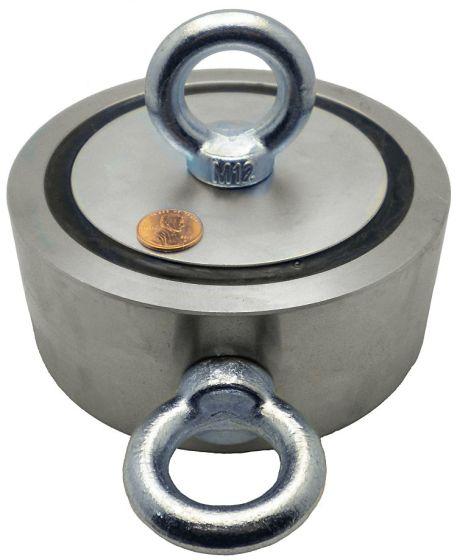 Occasionally, we’ll check our customer service email and find this query: “Do you have any huge rare earth magnets?” It’s an interesting question. Rare Earth magnets are made from elements that are (as the name suggests) relatively rare. Between the challenges in sourcing the material and logistical challenges of actually manufacturing a Rare Earth magnet, it’s unusual that you would...
-
The Best Magnets for Magnet Fishing
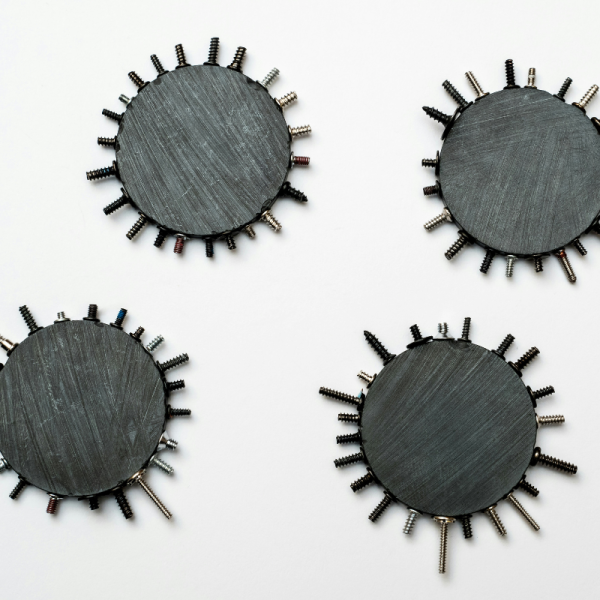
 Ever hear of “magnet fishing?” If you haven’t, don’t let the name fool you—it’s not an activity where you cast a hook into the water and try to pull out a magnet! Nor does it have to do with real fishing, where the goal is to catch seafood (though magnets are certainly useful in the fishing industry, where they can...
-
Trending Magnet Shapes for Different Industries
 In many business sectors, permanent magnets offer practical solutions. As these industries maintain and evolve, magnets – and more specifically, differently shaped magnets – are being used to enhance efficiency, safety, and convenience. Here are some of the top trending magnetic shapes and how different industries use them: 1. Disc Magnets Disc magnets are used across multiple industries due to...
-
Understanding the New Tariffs on Permanent Magnets & Their Impact
 On May 14, 2024, the White House announced a range of new tariffs on goods of Chinese origin. Following a review by the U.S. Trade Representative, these tariffs were finalized on September 13, 2024. Among them is a significant 25% tariff on all permanent magnets imported from China, including rare earth magnets. This new tariff is set to...
-
Supply Chain Risks in the Magnet Industry: What B2B Buyers Should Know
 The supply chain for permanent magnets is more complex than ever before. As a critical component in industries ranging from renewable energy to electronics and automotive manufacturing, the demand for reliable and high-quality magnets is steadily increasing. For B2B buyers, understanding the unique risks—particularly in light of new tariffs—and implementing strategies to mitigate them is crucial for maintaining operations. Understanding...
-
Customize Magnets For Your Unique Business Needs
 Industries such as automotive, aerospace, and renewable energy often require magnets with specific shapes, sizes, magnetic strengths, and thermal properties. Apex Magnets understands that off-the-shelf solutions might not always meet these precise requirements, making customization crucial. Our Custom Magnet option ensures that the unique demands of a particular application are met, resulting in optimal performance and reliability. Continue reading →
-
Handling Precautions: Safety Tips for Using Rare Earth Magnets in an Industrial Environment
Rare earth magnets, such as the neodymium and samarium cobalt magnets you’ll find at Apex Magnets, can be incredibly powerful and versatile tools. However, their exceptional strength and magnetic properties require special handling precautions to ensure safety and prevent accidents, especially in industrial applications and environments. Continue reading → -
Magnetic Coupling: How to Choose the Right Magnet
What are we talking about when we say “magnetic coupling?” Well, a magnetic coupling comprises two essential components: the driver and the follower. The driver connects to the prime mover, typically a motor, while the follower responds to the driver's motion through magnetic interaction. Advantages of Magnetic Coupling Setup This setup facilitates a contactless transmission of mechanical energy, offering several... -
Magnet Grades: An Exploration of Pull Force, Gauss, and N Numbers
Magnet grades serve as a sort of compass to navigate the intricate world of magnetic materials, guiding people through the nuances of strength and pull direction. In this exploration, we start to unravel the mysteries surrounding pull force, gauss, and N numbers, as well as the often perplexing language of magnets. Continue reading → -
Demystifying Rare Earth Magnets: 6 Common Myths
Rare earth magnets, often hailed as marvels of magnetism, are a class of powerful permanent magnets made from alloys of rare earth elements. These magnets, most often based on neodymium or samarium, with dysprosium added to some grades, possess exceptional magnetic strength, making them vital components in various modern technologies. However, despite their widespread use, there are several misconceptions surrounding these magnets that merit clarification. Continue reading → -
Choosing the Ideal Magnet Coating
Permanent magnets, essential in many industries, often require specialized coatings to safeguard them from environmental hazards and extend their service life. Let’s explore three prominent coatings — rubber, plastic, and epoxy — tailored for various industrial needs: Continue reading → -
Comparing Ferrite, Alnico, and Rare Earth Magnets
Magnets are fascinating objects that have captured the human imagination for centuries. From compasses guiding explorers across the seas to the magnetic fields powering our modern technology, magnets play an integral role in our daily lives. But not all magnets are created equal. There are various types of magnetic materials, each with its unique properties and applications. Continue reading → -
Fact or Fiction? Magnets Get Stronger in the Cold
We try our best to warn customers about the negative effects that come with storing your magnets in extremely hot settings. While overly hot temperatures (more than 176 degrees Fahrenheit for Neodymium magnets) can cause your magnets to lose their magnetic properties, some people believe cold temperatures have the opposite effect. One popular rumor is that cool temperatures can make your magnets even stronger. Is it truly a rumor or is this a fun fact about magnets? Continue reading → -
Is Your Fridge Magnet an Industrial Magnet?
The magnets on your fridge are responsible for hanging up family photos, art projects, and other items that make you stop and reminisce. While looking at the display of memories, have you thought about the magnets holding them? Continue reading → -
Is it Time to Replace Your Magnet?
If well-cared-for and left unexposed to external influences, a permanent magnet will stay strong for a very long time. When in use, it’s a slightly different story. Regardless of how you’re using your magnets, but certainly, in business and industrial applications, it’s important to know what can weaken a magnet so you can replace it as necessary. Replacing your magnets at the most appropriate interval is an important way to protect the value of your investment. Continue reading → -
What Are “Air Gaps” & How Do They Impact Magnets?
There are many factors to consider when purchasing magnets for your business. You must consider the size, shape, pole strength, magnetization direction, etc. One important factor that is often overlooked is air gaps. What exactly is the “air gap?” Continue reading → -
Magnet Storing Tips, According To Magnet Type
Magnet safety entails how to handle magnets, where to store them, and the ideal storage environment. It is especially important when handling strong industrial magnets. If magnet safety is not followed, it can lead to personal injury or damage directly to the magnet, such as breaking, chipping, and cracking. Continue reading → -
Choosing the Right Business Magnet, Based On Operating Temperature
When purchasing magnets for your business, one important consideration is the operating temperature. Temperature can impact magnetic strength significantly, especially if the operating temperature is extremely hot or cold. When a magnet is in extreme temperatures, the balance between temperature and the magnetic domain (the atoms inside that spin in a particular direction) becomes destabilized, altering its magnetic properties. Most magnets perform better in cold temperatures than hot, but each type of magnet is different. The magnet's reaction to temperature depends on the magnet material, size, and shape. If you don't consider these factors, you may have to replace magnets, which can be costly and dangerous. Continue reading → -
Should You Use a Magnet Coating or Finish For Your Application?
When filling out your Apex custom magnet request form, you’ll come across a section to choose a magnet coating or finish: nickel, zinc, epoxy, gold, rubber, parylene, or none. Magnet coatings and finishes could help your magnet perform better in your application. They can improve durability, which increases the magnet’s lifetime and reduces overall costs. If you’re unsure of which magnet coating or finish you should get, or if you should get one at all, this guide can help you decide. Continue reading → -
When to Use Ring Magnets Instead of Countersunk Magnets
Countersunk magnets are a form of ring magnet (although we also sell countersunk blocks!) with a conical (countersunk) recess to take in a screw head flush, allowing it to be anchored onto another surface. They’re ideal for hanging artwork and keeping doors and drawers closed. On the other hand, traditional ring magnets have concentric, non-angled holes. They’re not as strong as, say, disc magnets, but they are versatile and can slide quite easily onto rods and tubes. Continue reading → -
How to Know If Your Magnet Supplier is Reliable
Choosing a magnet supplier can be an overwhelming task, especially when there are multiple suppliers to choose from. First, you need to consider the type of magnet you need for your project. Then, you have to consider the cost, shipping, returns, and more. These factors are all important to consider, but you’ll also want to make sure you choose a reliable magnet supplier. In this blog post, we’re rounding up ways to determine if a magnet supplier is reliable. Continue reading → -
A Guide to Apex Magnets’ Website
Since you’re reading this blog, there’s a chance you’ve clicked through Apex Magnets’ website . At first glance, it may look pretty straightforward, but we have so much more to offer! From a magnet term glossary to a searchable popular size grid feature, there are many tools, tips, and resources for you to explore. We’ve covered what’s included on each product description page before, and now we’re diving into what additional information you can find on the Apex Magnets website below. Continue reading → -
LinkedIn Accounts to Follow for Magnet Information
If you’re an avid reader of our blog, you know there are so many ways that magnets can help your business! If you or your business are interested in learning even more about magnetic industrial applications, increasing workplace efficiency, or staying up-to-date on the latest magnet news, LinkedIn is a great place to connect and share ideas with others. We’ve compiled a list of accounts to follow within a wide range of industries including medicine, electronics, science, engineering, and more. These accounts cover a range of topics, such as industry news, market trends, engineering applications and scientific discoveries, and some may touch on magnets. Read on to find out which accounts you should add to your personal or business LinkedIn network. Continue reading → -
Magnetic Terminology Guide For Purchasing
Purchasing magnets can be an overwhelming task, especially if you are not familiar with key magnetic terms. For instance, when you are filling out your Apex custom magnet request form, you may not know what the terms “magnetic strength rating” or “direction of magnetization” mean. Without understanding magnetic terminology, your request form may not directly align with your magnetic needs. However, there’s no need to worry — Apex Magnets is here to help! We’ve highlighted some of the key magnetic terms that are helpful to understand when purchasing magnets for your business. Continue reading →