
uses of magnets
-
DIY Quick Dryer Vent Connector
 Dryer Vent Fire Statistics According to the U.S. Fire Administration, an estimated 2,900 clothes dryer fires in residential buildings were reported to U.S. fire departments each year in 2008-2010, causing an average of 5 deaths, 100 injuries, and $35 million in property loss. The majority of these fires are preventable with the proper cleaning procedures, including emptying the lint trap before every use and properly disconnecting and cleaning the dryer vent pipe every three months. For gas clothes dryers, the NFPA recommends having a qualified professional inspect the dryer to make sure the gas line and connection are intact and free of leaks. While proper cleaning measures are the foremost way to prevent fires, always remember, NEVER leave your dryer running when you are away from your home or sleeping. Continue reading →
-
How Magnets Help The Brain After A Stroke
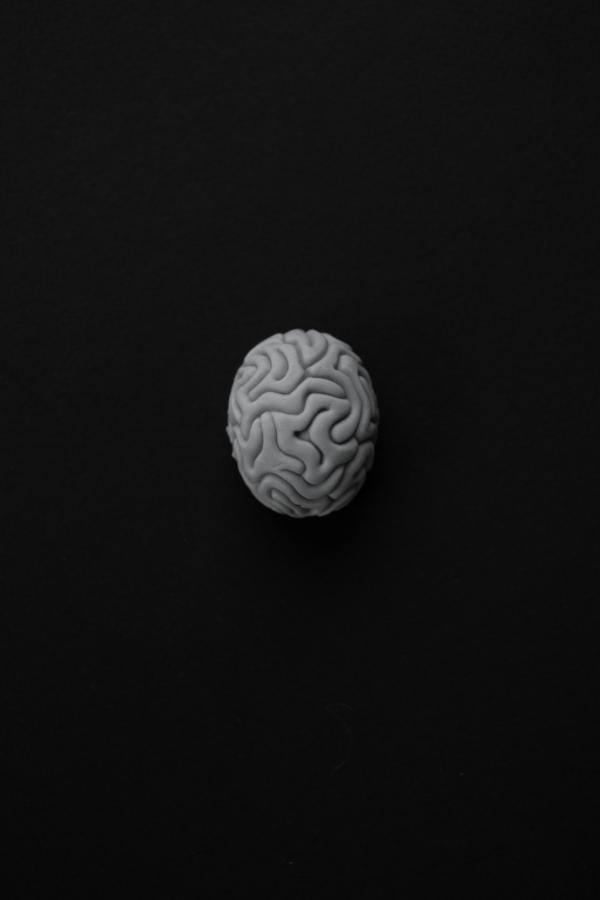 New Equipment Shows Promising Data Magnets have been instrumental in healthcare for some time now, but their newest use could play a significant factor in the treatment of stroke patients. Continue reading →
-
Magnet Fishers Fined
 What They Found Left Them In Hot Water Magnet fishing is becoming increasingly popular due to its exposure on platforms such as TikTok, YouTube, and Instagram. If you are unfamiliar with the term, it is as literal as it sounds. People hook up a magnet to a rope and cast it into the water to see what they can discover. Continue reading →
-
Halbach Array for Electric Motors
 Let’s talk about the Halbach Array. A phenomenon that was initially discovered in 1973, this arrangement of permanent magnets functions to make the magnetic field one side stronger while negating the opposite field to nearly zero. For comparison, with a single magnet, you will have equal strength on either end. It wasn’t until the 1980s that a physicist applied the Halbach array as a means to focus particle beams and electrons, and later to build undulators for free-electron lasers. Continue reading →
-
Permanent Magnets for Different Kinds of Sensors
 Permanent magnets are used in a variety of sensor applications; but what exactly is a sensor? A sensor measures input from its environment and converts it into data. That data might be collected and interpreted visually by a person (e.g., glass thermometer), or electronically by a machine. Sensors measure all sorts of things, including distance, weight, temperature, proximity, position, velocity, direction, etc. Continue reading →
-
Three Ways To Use Industrial Magnets On Cruise Ships
 In a recent blog post, we shared three magnetic hacks to upgrade your cabin, such as using hook magnets to hang items or clip magnets to organize your stateroom. Similar to these hacks, there are many cruise ship hacks on an industrial level. Because magnets can have a strong pull force, are durable, and (when properly coated) resist weather and corrosion, they are well suited to many uses on cruise ships. This is largely because many ship structures, such as steel hulls and bulkheads, are magnetic, though many cabin walls are not. Continue reading →
-
Robo-arms, Harpoons, and Revolving Magnets: The Race to Clean up Space Junk
It’s sad but true—these days, we even have litter in space. That’s right, there’s been a rise in space junk that directly coincides with the number of private companies that are now capable of putting satellites in orbit. The US space agency says there are more than 100 million pieces of space junk and debris smaller than 1 centimeter currently in orbit. Aside from being a somewhat shameful introduction to the final frontier, space junk also presents a series of perils to astronauts and even us back on Earth. Continue reading → -
Magnetic Locks: How they Work and Their Uses
More and more, we are seeing properties gravitate to the use of electromagnetic locks in their buildings. With their ease of installation, security, and fast building access, it’s no question why these types of locks are becoming a popular option. Continue reading → -
How to Make Magnetic Dish Towels
When you’re in the kitchen making dinner or cleaning up, do you ever find yourself struggling to remember where you put the dish towel? You turn right, you turn left, you make a full circle, and only then do you finally find it all the way down the counter. By sewing a magnet into your dish towels, you give yourself the option to stick it in the most convenient places — the fridge or the dishwasher. Continue reading → -
Magnets and Chicken Nuggets — The Crossover You Never Knew You Needed
Magnets and chicken nuggets — What could be more well-loved? But do you know the connection? Magnets have long been critical in the food industry, helping with sorting and separating any metal scrap away from product, but they’re also involved in research and testing related to food quality and consistency. We’re not just talking about any food, but chicken nuggets specifically. Continue reading →