Magnet Science, Research & History
-
Can Magnetic Fields Be Blocked?
 Magnetic shielding may seem like the stuff of science fiction novels and movies, but it’s real. Unlike electric fields, which a conductive enclosure can block, magnetic fields are harder to stop. This is because there is no monopole magnet--or at least not one that we know. The magnetic field lines run from a magnet’s north and south pole, which makes blocking them difficult. Continue reading →
-
The Most Powerful Magnets In The Universe: Magnetars
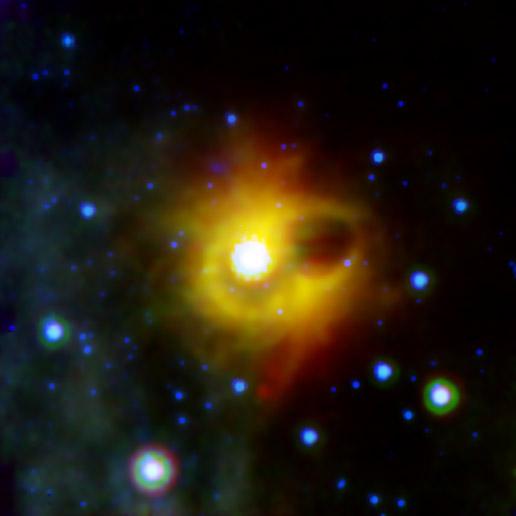 Do you know that the most powerful magnets in the universe are actually a type of star. Magnetars are the remains of stars that have “run out of fuel”, meaning the hydrogen in their cores has been used up. The star is essentially dying, and when this happens, it tries to compensate for the lack of fuel by fusing progressively heavier elements. This smorgasbord of fuels causes the star to burn as a bright red giant, but only for a temporary time. Eventually, the burning causes the star to burst into a supernova explosion. Continue reading →
-
8 Strange Facts About Magnets and Magnetism
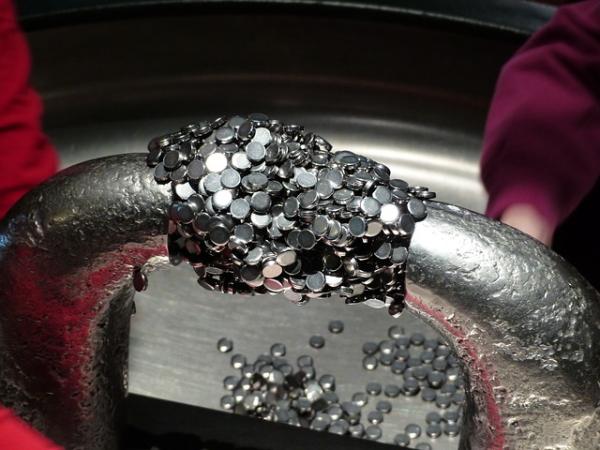 Magnets are interesting and strange materials. There are still some mysteries that scientists and researchers have yet to solve when it comes to magnets. However, some mysteries have been solved. In this blog, we have compiled a list of some of the strangest facts about magnets and magnetism. Continue reading →
-
What are Superconducting Magnets?
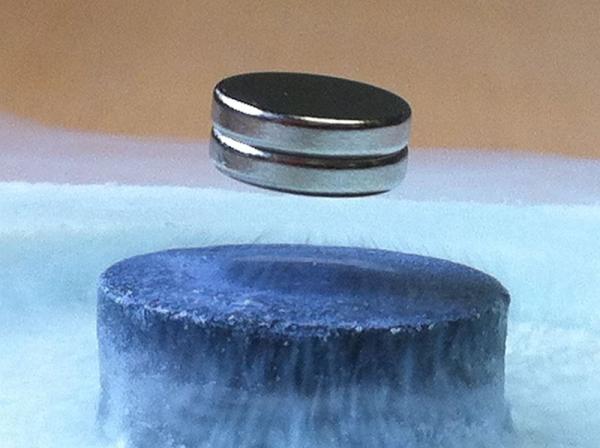 Superconducting magnets are used in MRIs, Maglev trains, particle accelerators and other technologies that often use magnetism and high power conditions to operate. What are superconducting magnets? First, in order to understand what superconducting magnets are we should discuss superconductors and electromagnets. Continue reading →
-
The Creature with Magnetic Armor: Scaly-Foot Snail
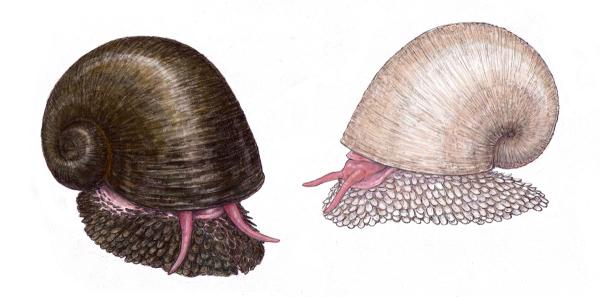 Snails may be best known for their achingly slow pace, but the scaly-foot snail is known for something else━its iron sulfide-coated shell. The scaly-foot gastropod lives around deep-sea hydrothermal vents in the Indian Ocean and wasn’t discovered until 2001. Continue reading →
-
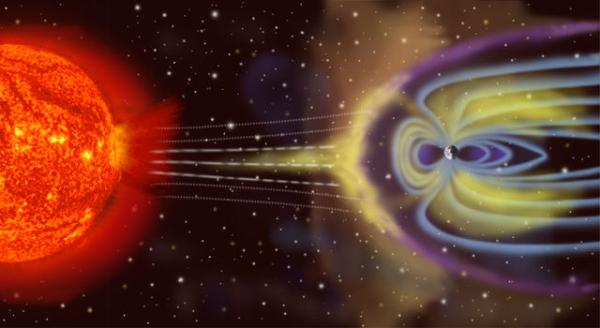
What is the Magnetosphere?
 Planets that have magnetic fields also have a magnetosphere. Venus and Mars are the only planets without a global magnetic field. NASA’s MAVEN mission has shown that Mars lost its global field early in its history and that the solar wind then stripped away its atmosphere, which scientists think helped Mars lose its surface water. Whether a missing field also explains Venus’s dry surface is still debated. The Earth’s magnetic field protects us from the charged particles of the solar wind. Without this protection, solar wind particles could strip away parts of the atmosphere and increase radiation at the surface. Continue reading →
-
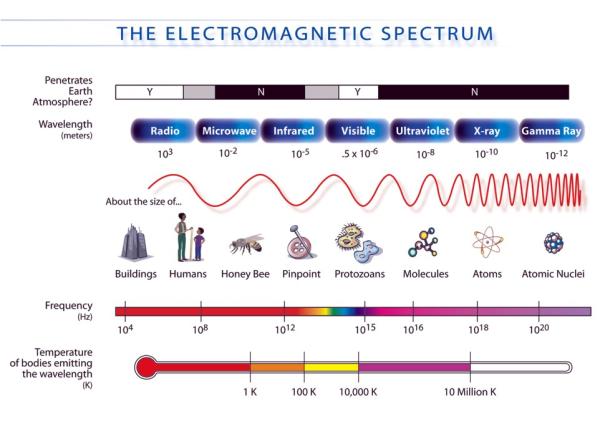
What is Electromagnetic Radiation?
X-rays, radio waves and visible light are all examples of electromagnetic radiation (EMR). What is electromagnetic radiation? It is a form of energy that travels in the form of electromagnetic waves, which are created when electricity and magnetism come together. James Clerk Maxwell first predicted the existence of these waves in the 1860s, but it wasn’t until Heinrich Hertz built a device that produced radio waves that their existence was proven. Hertz’ experiment proved not only that electromagnetic waves existed, but that they travel at the speed of light and behave like light, reflecting, refracting and polarizing. Continue reading → -
4 of the Greatest Scientific Magnet Developments of 2014
Magnets have been around for hundreds of years. The naturally occurring magnetic stone, lodestone, has been linked as far back as 600 B.C., and magnetic compasses appeared around 4th century B.C. China. Magnets and their uses have greatly evolved since those times, however. Now, magnets are stronger, more versatile and more common━appearing in almost every piece of technology that exists today. Looking back on 2014, we can’t help but remember some of the innovative and interesting magnetic developments that have happened. In honor of this past year, we have compiled a list of the most interesting magnetic developments of 2014. Continue reading → -
10 Magnet Facts To Help Your Brain Get Fit in 2015
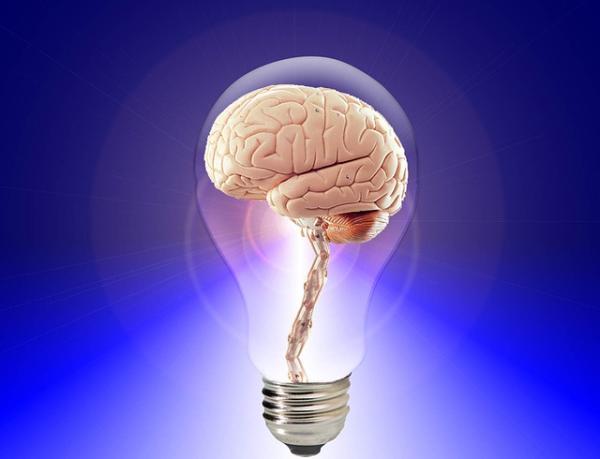
While you’re working out at the gym in the coming year, don’t forget to work out one of the most important muscles in your body━your brain. (For the record, your brain isn’t technically a muscle by itself.) However, like a muscle, keeping your brain active with regular mental exercise is widely thought to help keep it healthy. In honor of getting your brain fit for the new year, we have compiled a list of magnet facts to get you started. Continue reading → -
3 Things We Learned About Magnetism in 2014
Magnetism has been around for billions of years. Yet, there are still numerous things we haven’t discovered about it. Each year, we discover a little more though. And this year, scientists have found out some interesting aspects of this force of nature. Below we have highlighted 3 magnetic discoveries from 2014. Continue reading → -
Studying Honey Bees with Magnets
Honey bees need their beauty sleep too, according to an interesting study from the University of Texas. Using magnetism, researchers compared the patterns of well-rested honey bees to sleep-deprived ones and found that lack of sleep affects their communication. Continue reading → -
Scientists That We Should Thank
We have a lot of things to give thanks to this holiday season, but for the moment, we’d like to recognize some scientific masterminds. Can you imagine what life today would be like without our electricity, modern medicine, cell phones or other advances? Well, without the contributions from these scientists, the world might be very different than it is today. Continue reading → -
Inventions That Make Us Thankful For Magnetism
Without magnetism, we would be without many of the gadgets and technology that are now a part of our everyday lives. Many innovators use magnets to create unique and useful inventions. In this blog, we have listed some of the most influential inventions that would not have been possible without the help of magnetism. Continue reading → -
What is the Strongest Magnet in the World?
The largest magnet on Earth is, in fact, the Earth. Our planet acts like one big bar magnet, with a magnetic north and south pole. However, it is not the strongest one on the planet. The most powerful, non-destructive magnet resides in New Mexico and was made by humans. In 2012, researchers at the Los Alamos National Laboratory in New Mexico built one that could generate a record-setting magnetic field of 100 Tesla, a unit used to measure magnetic field strength. Continue reading → -
Google X Wants To Beat Diseases With Magnetic Nanoparticles
Google has a semi-secret laboratory called X (originally Google X) that works on a wide range of things from self-driving cars to Google Glass. Now, Google X has a new project━fighting cancer and other diseases with magnetic nanoparticles and a magnetic wearable device. The idea behind the project is to diagnose diseases at the earliest stages to increase the chance of successfully fighting them. Continue reading → -
What Would Happen If Earth’s Magnetic Field Disappeared?
What could possibly be scarier than the ghosts and ghouls that come out on Halloween? We can think of a few things. One of those is the thought of an Earth without a magnetic field. You may have heard that the magnetic field poles might flip━within the next 100 years according to some scientists, though reversals are irregular, usually take thousands of years to unfold, and the last full one was about 780,000 years ago. Although the flipping of the magnetic poles sounds scary, it has occurred many times before and hasn’t had a catastrophic effect for life on Earth. However, if the magnetic field completely vanished, there could be some major repercussions. Would Magnets Still Work Without Earth’s Magnetic Field? Continue reading → -
Weird Magnet Fact: Animals Sense Earth’s Magnetic Field
Unless we have magnetic implants or are cyborgs, humans don’t really detect the Earth’s magnetic field. Sure, we know that it exists thanks to the contributions from various scientists like William Gilbert and Walter M. Elsasser. But, we don’t naturally sense it. Yet, certain animals do sense the Earth’s magnetic field and even use it to guide them like a GPS, or navigation system. The first recorded observation that suggested animals have a magnetic ‘sixth sense’ occurred in 1957 when a researcher in Germany noticed that robins in a cage were getting restless during the migratory season. Since then, a number of studies have been done on various species to test whether or not they had the same magnetic detection abilities. Here are a few animals that some scientists believe can sense the magnetic field and how they use it. Continue reading → -
What Are Magnetic Poles and How to Identify Them
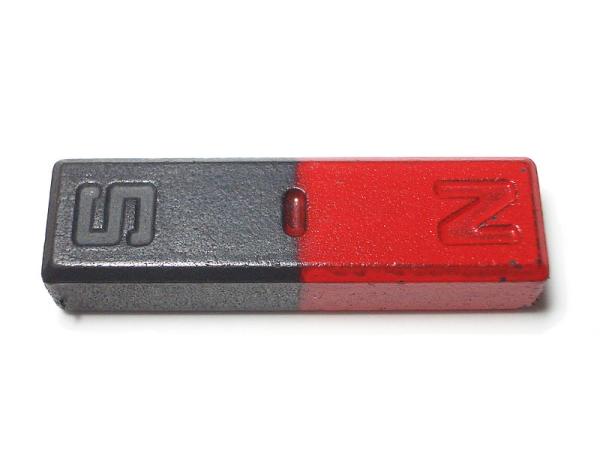
Every magnet has at least one pair of poles-a north and a south. Some scientists theorize that a magnet with one pole called a monopole is possible, but no isolated magnetic monopole has been conclusively observed in nature (lab analogues, like the one in the linked article, have been created). In fact, if you were to take a bar magnet and cut it in half, the two pieces would separate and form new sets of poles. In other words, no matter how many times you cut the magnet, the pieces will have a North and a South pole. Continue reading → -
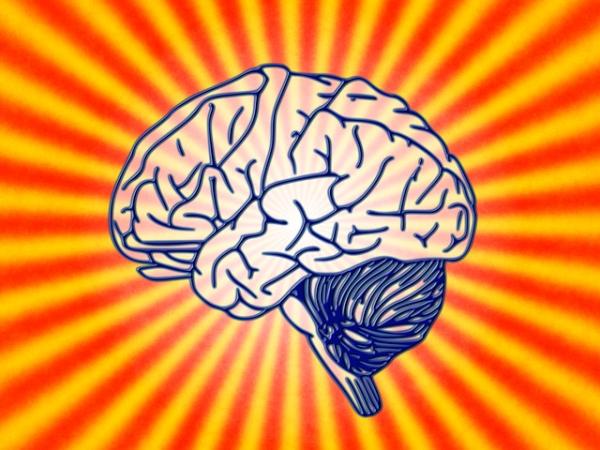
Transcranial Magnetic Stimulation Study: Can Magnets Improve Memory?
You may have heard of TMS or transcranial magnetic stimulation, a non-invasive form of therapy that transmits electromagnetic impulses to targeted regions of the brain. The practice of using electric current therapeutically has been around for centuries. According to PBS, “electric eels and fish were used by people in ancient times to treat headaches and mental illness.” Most commonly, TMS therapy has been used to treat those that have been non-responsive to more traditional antidepressant treatment. The method is a relatively new one, which was cleared by the Food and Drug Administration in 2008. As with most new medical discoveries, it has been the subject of several studies to test its effectiveness. Continue reading → -
How Are Neodymium Magnets Made?
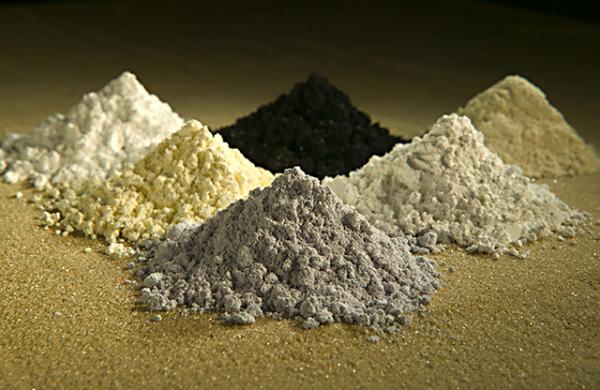
Magnetism may interact with the Earth’s natural magnetic field, however, today’s magnets are not formed naturally. One of the only naturally occurring magnets is lodestone, but its magnet strength is too weak for use in practical applications. Modern magnets are much stronger, because they are created from alloys of ferromagnetic metals, such as iron, nickel and cobalt, often combined with rare earth elements like neodymium or samarium. Ferromagnetism is the property that lets certain materials become strongly magnetized, and in some cases stay magnetized. Continue reading → -
Meteorites and Magnetism
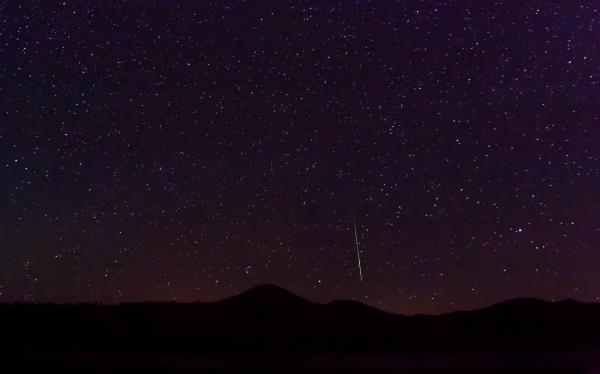
Did you catch the Perseid meteor shower in August 2014? If you did, then you know firsthand just how magical it can be to watch these tiny bits of space soar into the atmosphere. The Perseid meteor shower is one of the biggest celestial events of the year. Occurring annually, the shower is a result of the Earth passing through the debris of the comet Swift-Tuttle. Most meteors are disintegrated by the gases in the atmosphere and never make it to the surface. Some larger space rocks survive the trip and reach the ground, and then we have a meteorite. Continue reading → -
6 Things That You May Not Know About Magnets and Magnetism
Magnetism is one of the most mysterious and powerful forces in the world. There are several things that we still have yet to learn about magnets and magnetic energy. However, there are also some very interesting magnet facts that you may not know yet. We have gathered six of the most interesting and little-known magnet facts below: Continue reading → -
The First Discovery of Magnetism: Lodestone
If you are a magnet enthusiast or geology buff, you may have heard of a magnetic stone known as lodestone. The properties and origins of this magnetic material make it quite an interesting study. Lodestone has been linked as far back as 600 BC and is often cited in history as the first indication of magnetism, leading to further magnetic discoveries like the early compass in China. Continue reading →